Luminance Standard
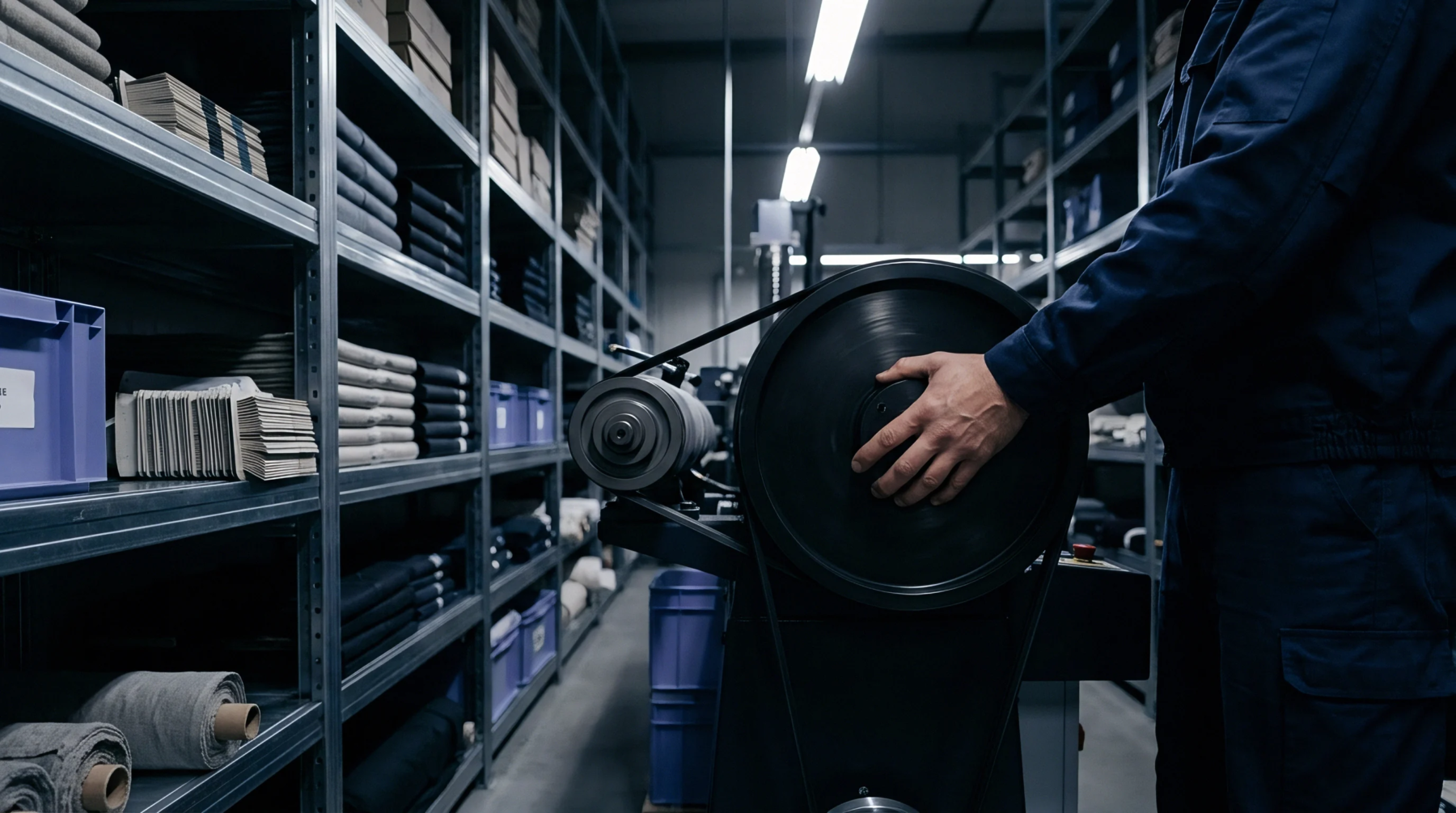
Photometric radiance directed across textile inspection perches determines the optical visibility of surface defects during final cloth grading. Operating parameters for perch illumination require luminous flux levels between one thousand and fifteen hundred lux distributed evenly across the inspection plane. Overhead tubular light sources must cast balanced light without producing glare or harsh shadows across passing linen yardage.
Technicians position supplementary grazing lights at low angles to emphasize slubs and broken picks through surface relief shadowing. The standard governs final warehouse examination stands but excludes preliminary spinning-room winding checkpoints.
Inspection Accuracy
Visual detection rates drop substantially when ambient room lighting interferes with standard inspection tables. Substandard perch illumination obscures fine warp streaks and oil droplets, allowing defective yardage to pass into export shipping containers. Mill quality controllers conduct daily lux measurements with calibrated photometers across three inspection points on each perch.
Grading records document lamp hours, enforcing tube replacement every two thousand operating hours to prevent spectral degradation. Correct lighting angles enable fast human inspection speeds of twenty to twenty-five metres per minute without sacrificing defect detection rates.
Defect Identification
Calibrated examination stands guarantee uniform fault scoring across changing operator shifts. Standardized perch illumination ensures export linen shipments align with international buyer acceptance standards before customs clearance.