Physical Segregation Protocols for Off-Shore Flax Spinning Mills
Physical segregation in offshore flax mills relies on solid bay dividers, line purges, bobbin color coding, and identity preservation audit trails.


Bin
Standard European Flax certified fiber arriving at an offshore facility in Jiangsu or Zhejiang enters a raw material warehouse handling domestic Chinese flax and conventional imports simultaneously. Physical segregation begins at the unloading dock before bales move into designated storage bays. Certified scutcher bales carry origin lot numbers stamped by Western European scutching facilities, but raw material handlers at offshore mills frequently drop individual bale tags during destrapping.
Preserving batch integrity demands distinct physical space separation rather than relying on painted floor lines alone.
Storage bays have clear boundaries. Fiber stores handling certified European Flax alongside uncertified raw stock prevent cross-contamination by constructing solid physical barriers between lot allocations. Flexible heavy-duty polyethylene curtains or galvanized sheet-metal walls reaching a minimum height of three meters block airborne tow fibers and loose debris during bale movement.
Storage bays carry permanent signage indicating the lot origin code, supplier transaction certificate number, and harvest year.
| Storage Zone Type | Physical Barrier Requirement | Tagging Standard | Access Restriction |
|---|---|---|---|
| Certified Identity Preserved | Solid partition wall, 3.0 meter minimum height | Color-coded RFID tag plus original scutcher label | Dedicated forklift and assigned storekeepers |
| Mass Balance Segregated | Painted floor boundary with 2.0 meter buffer zone | Standard barcode label with batch tracking number | Shared warehouse staff with lot scan verification |
| Conventional Uncertified Stock | Open storage bay layout | Mill internal receiving tag | General warehouse floor access |

Bale Receiving and Physical Bay Isolation
Unloading raw scutcher bales from maritime shipping containers involves immediate weight verification against the bill of lading and transaction certificate. Scale operators log net weight, moisture content percentage, and lot identifier before issuing a warehouse location slip. Bales move directly to assigned quarantine bays until laboratory samples confirm fiber length, tensile strength, and trash content.
Physical isolation at receiving prevents conventional fiber from accidentally entering the carding feed line during peak production shifts.
Bale tags carry lot codes. Warehouse personnel affix secondary high-visibility RFID tags to every bale within five minutes of container destrapping. These tags correspond to the digital chain of custody record linked to the European Flax scope certificate.
Scanning the tag at warehouse exit gates unlocks the motorized access doors leading to the opening room feed line, preventing unverified lots from entering certified production runs.

Bale Store Marking Systems
Visual indicators prevent warehouse clerks from staging wrong lots during mill batch changeovers. Color-coded floor bays eliminate reliance on written tags alone. A mill assigning bright yellow floor epoxy and yellow wall headers to Western European flax creates instant visual contrast against green conventional bays.
Storekeepers complete daily physical audits, comparing physical bale counts against digital inventory ledgers.
- High Barrier Polyethylene Sheeting Floor-to-ceiling plastic partitions installed between adjacent bay walls stop drifting dust and loose fibers from landing on open bales.
- Color Coded Steel Cage Enclosures Locked wire mesh bays hold premium long-flax hackled tops separately from general mill inventory with keycard access logs.
- Dedicated Staging Forklifts Material handling equipment assigned exclusively to certified bays eliminates fiber transfer from forks and tires during transport.
- Automated Gate Scanning Corridors Scanners mounted on doorway frames sound an audible alarm if a forklift carries an uncertified bale into the certified opening room feed line.
Mill managers often claim that warehouse dust accumulation renders physical floor lines invisible and colored tagging unnecessary when bales carry original French scutcher lot numbers.


Cleanout
Transferring a carding line or drawing frame from conventional flax to a certified European origin lot releases hidden residual short fibers into the sliver batch. Machine cleanout protocols eliminate cross-contamination at mechanical changeovers. Carding machine cylinders, licker-in rollers, and flats retain several kilos of loose fiber within wire teeth and waste collection hoppers.
Running certified fiber immediately after conventional fiber mixes uncertified material into the first hundred meters of sliver.
Sacrifice fiber clears the wire. Spinning mills running strict identity preservation protocols execute a mechanical purge sequence before loading certified raw material. Technicians shut down feeding hoppers, strip residual fiber from card clothing using high-pressure pneumatic air lances, and brush cylinder wires manually.
Mill operators then process a sacrificial batch of certified flax to sweep remaining conventional fibers out of the mechanical system.
A dedicated carding line requires zero purge mass, whereas shared equipment demands a sacrificial fiber run equal to twice the machine loading capacity.

Carding and Drawing Line Purges
Mechanical changeovers need complete removal of lint and fly across every drafting roller and sliver guide. Carding machines present the highest contamination surface area in the opening line. Standard cleaning procedures mandate thirty minutes of compressed air blowing followed by vacuum extraction across the main cylinder, doffer, and under-casing screens.
Maintenance clerks log cleaning times, technician signatures, and inspection approvals before releasing machinery to production.
Drawing frames present smaller internal volumes but retain fibers in drafting zones and coiler heads. Roller covers open fully during line changeovers, exposing rubber top rollers and fluted bottom steel rollers to manual solvent wipe-downs. Technicians remove accumulated lap fiber from trumpet guides and clean sliver delivery cans before inserting fresh coils.
Clean frames prevent fly.
Mechanical Changeover Loss Calculations
Quantifying fiber waste during equipment resetting establishes true yarn yield figures. Consider a ten-tonne yarn order processing on a wet spinning line. A standard carding machine retains eighteen kilograms of fiber across card wire clothing and waste hoppers.
Drawing frames retain four kilograms. Processing a sacrificial one-hundred-fifty kilogram certified flax purge clears residual material, but generates a 1.5 percent fiber mass loss charged against the order batch ledger.
Moisture shifts yarn mass. Calculating cleanout waste demands dry weight reconciliation before and after line purges. Scutcher bales enter the opening room at eight percent moisture regain, while carding rooms operate at sixty-five percent relative humidity.
Audit teams calculate dry fiber mass by drying samples in testing ovens at one hundred five degrees Celsius, eliminating humidity variance from cleanout yield loss records.
Machine changeover logs signed by shift supervisors before fiber loading prevent unrecorded equipment cross-contamination.

Tracking
Sliver cans moving from drawing to roving frames present high substitution risk when multiple yarn counts run on adjacent machinery. Physical markers applied directly to spinning hardware isolate certified material across speed frames and wet spinning ring banks. Roving bobbins look identical once wound, making visual identification impossible without color-coded bobbin caps or laser-printed barcode labels attached to bobbin cores.
Roving colors isolate batches. Mill technicians fit red polypropylene rings onto bobbin spindles carrying certified European Flax roving. Green rings identify conventional flax, while blue rings designate mixed blends.
Wet spinning creel operators reject any roving bobbin lacking the assigned color marker, stopping uncertified material at the spinning frame interface.
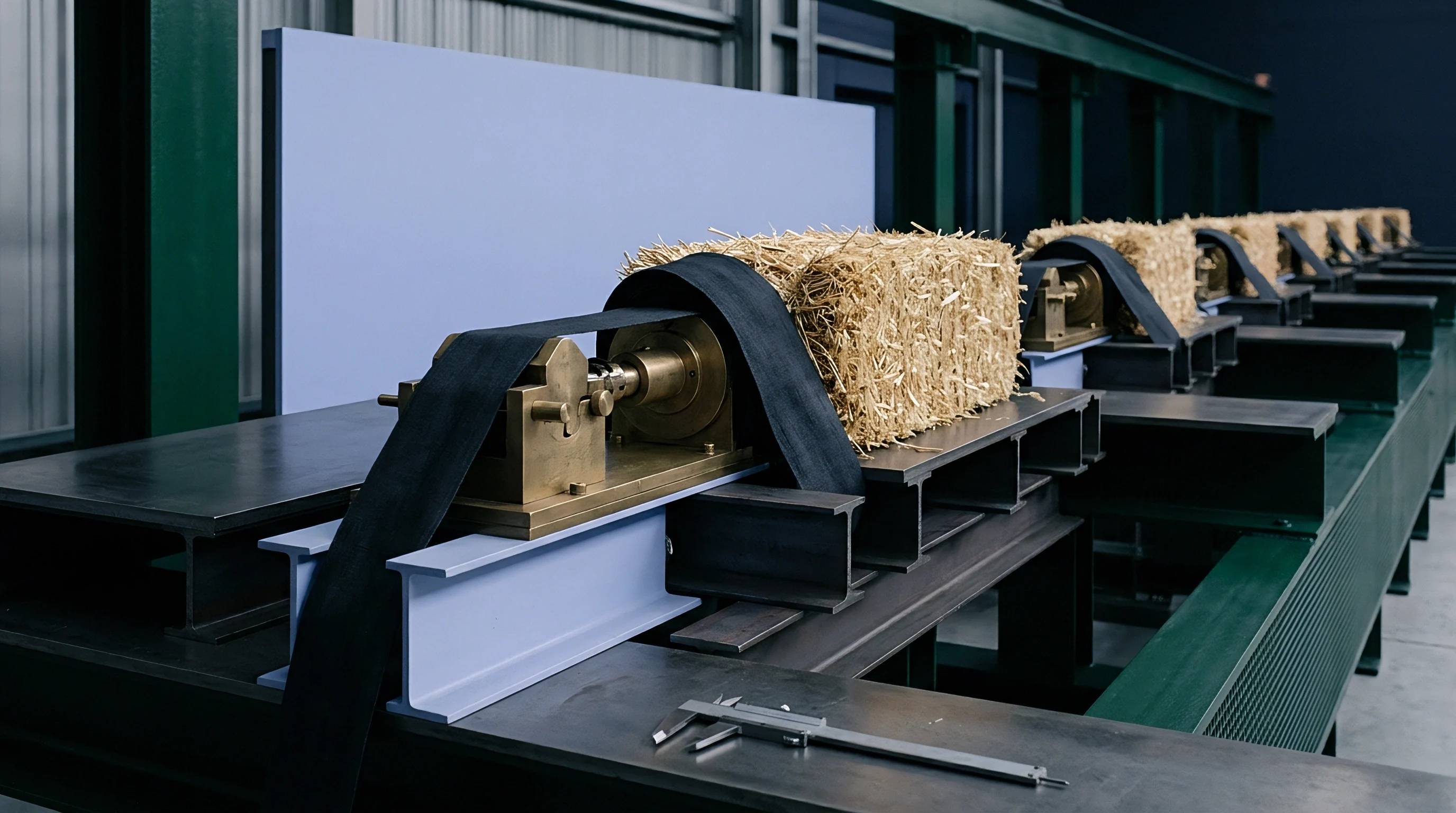
Bobbin Identification and Roving Color Coding
Barcode labels applied to roving bobbin cores link physical material to digital spinning logs. As bobbins fill on the flyer frame, automated winders scan the core barcode and map bobbin weight, operator ID, and machine number to the batch code. Creel tenders scan each bobbin again before mounting it onto wet spinning frames, verifying lot alignment in real time.
Dynamic scanning stops mixing.
Conditioning rooms store spun yarn packages on marked trucks prior to cone winding. Yarn packages absorb moisture in high-humidity vaults, increasing total weight by up to twelve percent. Tracking systems calculate net dry yarn weight using automated scale terminals that write directly to central database servers, preventing manual weight entry manipulation by shift supervisors.

Is Lot Isolation Feasible on Continuous Wet Spinning Frames?
Continuous ring spinning frames running multiple client orders simultaneously create grave contamination hazards unless mechanical dividers split the frame banks. Shared suction flutes collect broken yarn ends across adjacent spindles, blowing loose fly across frame sections. Installing acrylic divider plates between spindle banks isolates distinct fiber lots running on a single long spinning frame.
- Technicians scan every roving bobbin barcode prior to mounting onto the wet spinning frame creel.
- Operators snap red polypropylene rings onto bobbin spindles holding verified European Flax yarn.
- Automated doffing units print batch stickers containing mill lot number, yarn count, and fiber certification code.
- Carts loaded with finished yarn packages move through marked transit corridors directly to the conditioning chamber.
Failure to maintain batch numbers on yarn cone labels invalidates the transaction certificate under ISO 22095 chain of custody requirements.
The question remains whether automated vision systems can detect cross-contaminated bobbins faster than manual color-ring checks on high-speed ring spinning frames.


Balancing
Mass balance accounting permits mills to aggregate certified and conventional fiber inputs on paper while delivering unsegregated yarn to buyers. Physical segregation protocols reject paper-based balancing in favor of strict identity preservation. Identity preservation models require physical separation of European origin flax from field harvest through hackling, carding, drawing, roving, wet spinning, and package winding.
Mass balance permits blending. Mills using mass balance purchase ten tonnes of certified European flax raw fiber, add it to general warehouse inventory, and issue scope certificates for ten tonnes of finished yarn regardless of which fiber actually entered the spinning frames. Buyers demanding true origin integrity specify identity preservation in commercial supply contracts, legally binding the spinner to hard physical segregation protocols.
| Traceability Model | Physical Fiber Separation | Yield Loss Allowance | Audit Frequency | Certified Premium |
|---|---|---|---|---|
| Identity Preservation (Hard Segregation) | 100 percent isolated lines and storage bays | Calculated per batch from actual mill waste logs | Semi-annual unannounced site visits | 12 to 18 percent over conventional price |
| Mass Balance (Standard CoC) | Shared storage and shared machinery allowed | Standardized industry yield loss table conversion | Annual desk audit of paperwork ledgers | 3 to 6 percent over conventional price |
| Controlled Blending Model | Segregated storage, shared spinning frames | Fixed percentage blending threshold enforced | Annual site visit plus lot sample testing | 6 to 10 percent over conventional price |
Mass Balance Calculation Vs Hard Segregation
Calculating mass balance yields involves balancing incoming fiber dry mass against outgoing yarn dry mass plus accountable processing waste. Scutching and hackling yield long fiber tops and short fiber tow. Carding generates comb noils and lap waste.
Wet spinning produces fly waste and broken end floor scrap. Invisible waste distorts yield.
Consider a twenty-tonne lot of European Flax scutched tow assigned to a wet spinning run producing 26 Lea yarn. Raw fiber enters at eight percent moisture. Carding waste accounts for 8.5 percent of initial mass.
Combing removes 12 percent as noils. Wet spinning adds 1.2 percent spin finish oil while losing 3.4 percent as spinning fly. Net yarn output equals 14.88 tonnes of conditioned yarn on cones.
If output weight exceeds 15.2 tonnes, the auditor flags uncertified fiber dilution.

Invisible Fiber Loss and Waste Reconciliation
Spinning operations generate airborne fly, comb noils, and moisture variations that alter mass balance ledgers. Unscrupulous offshore mills exploit waste calculation gaps to mix cheap conventional flax tow into certified sliver runs. Reintroducing comb noils back into carding hoppers increases finished yarn weight while corrupting fiber origin purity.
- Uncontrolled Noil Blending Machine operators reintroduce comb noils from conventional processing into certified sliver batches to boost overall yield figures.
- Uncalibrated Scale Drift Moisture content shifts between bale opening at eight percent ambient humidity and wet spinning room conditioning alter recorded weights.
- Shared Waste Collectors Centralized pneumatic waste suction systems mix fly from certified and uncertified spinning frames into a single recycling silo.
- Undocumented Scrap Re-entry Mill clerks log floor waste as clean fiber and return it to carding hoppers without recording batch tagging data.
A five percent weight discrepancy between scutcher bale receipts and spun yarn packaging triggers an immediate suspension of scope certificates under European Flax standard 3.0.
Accepting mass balance documents in place of physical segregation protocols exposes brand owners to regulatory fines under FTC textile origin enforcement when fiber testing reveals non-European flax content.


Liability
Commercial contracts between European buyers and offshore spinners frequently misalign liability by confusing yarn quality parameters with origin guarantees. Yarn count, single end strength, and twist multiplier define physical performance, but offer zero proof of geographical fiber origin. Origin documentation forms a legal foundation separate from technical datasheets, carrying strict financial penalties for non-compliance.
Physical isolation costs money. Offshore spinners incur higher operating costs when running physical segregation, including dedicated machine lines, sacrificial fiber purges, and lower overall equipment effectiveness during changeovers. Mill managers missing explicit contractual segregation requirements default to paper mass balance accounting to protect operating margins.
Chain of Custody Certification Scope Limits
Certificates issued under international standards verify that a mill possesses management systems capable of tracking fiber, but do not guarantee that every individual yarn shipment contains verified European flax. Scope certificates validate the facility annually. Transaction certificates validate specific fiber lot volumes transferred between buyer and seller.
A valid scope certificate paired with an expired or missing transaction certificate leaves the buyer legally unprotected against false origin claims.
Scope certificates expire annually. Sourcing practices audit offshore spinners by cross-referencing maritime bill of lading numbers, customs import declarations, and transaction certificate lot codes. Discrepancies between imported fiber volumes and exported yarn volumes reveal uncertified fiber substitution at the mill floor level.
Customs penalties land instantly.

Commercial Contracts and Origin Warranties
Sourcing agreements specify explicit legal protections transferring origin verification liability onto the offshore spinner. Contracts define sampling protocols, independent isotope ratio testing thresholds, and automated audit access rights. Inclusion of clear origin warranty language allows buyers to reject non-compliant yarn lots at destination ports before paying customs duty entries.
Offshore mills accepting physical segregation warranties absorb full financial responsibility for product rejections caused by uncertified fiber contamination.
Inclusion of standard origin warranty clause 14.2 shifts all customs re-export expenses and testing fees to the spinner if isotope analysis disproves declared fiber origin.