Organic Flax Wet Spinning Verification Protocol Fundamentals
Wet spinning verification requires auditing bath chemicals, reconciling mass balance against standard regain, and linking batch TCs to raw fibre scopes.
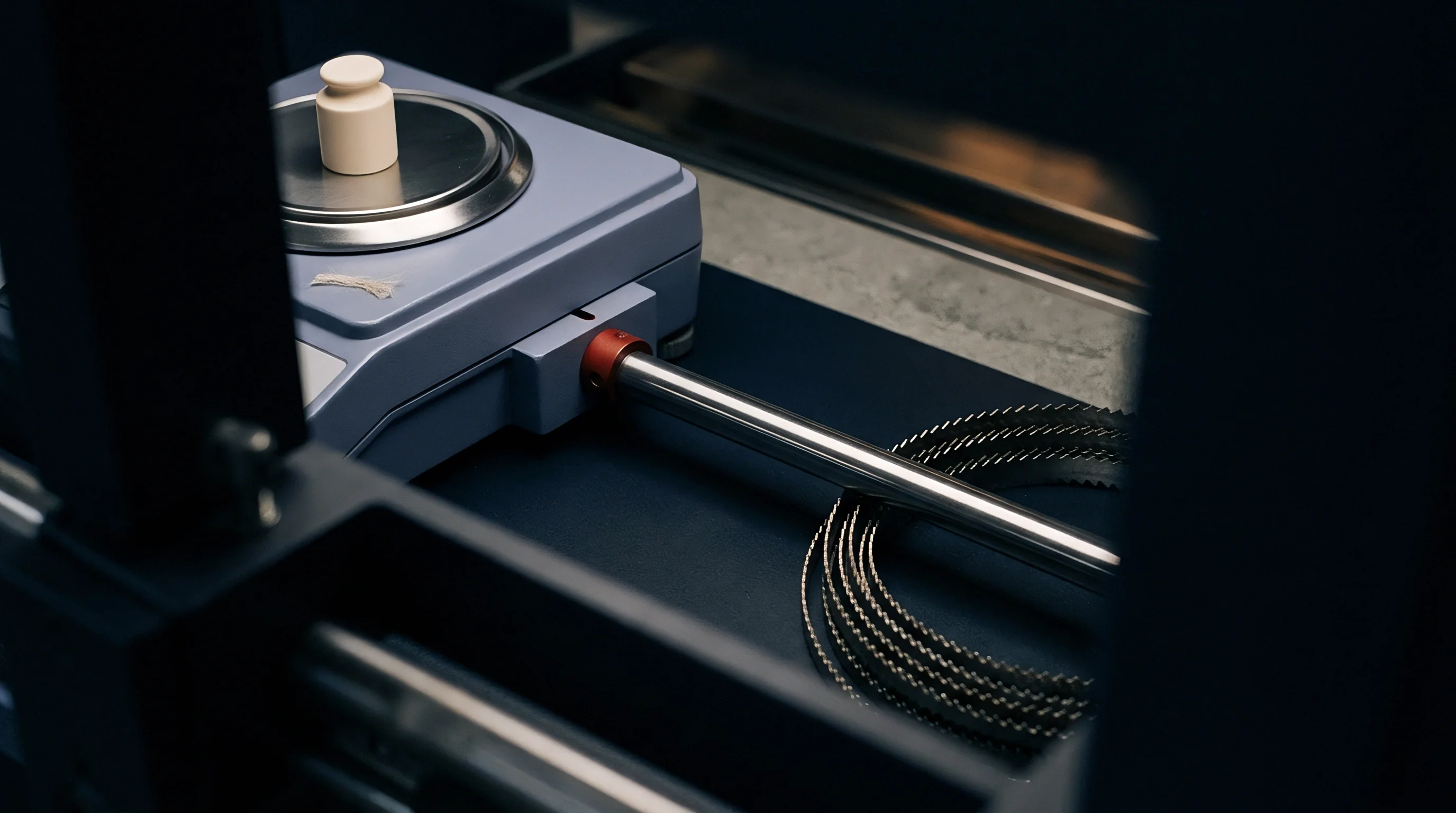

Roving
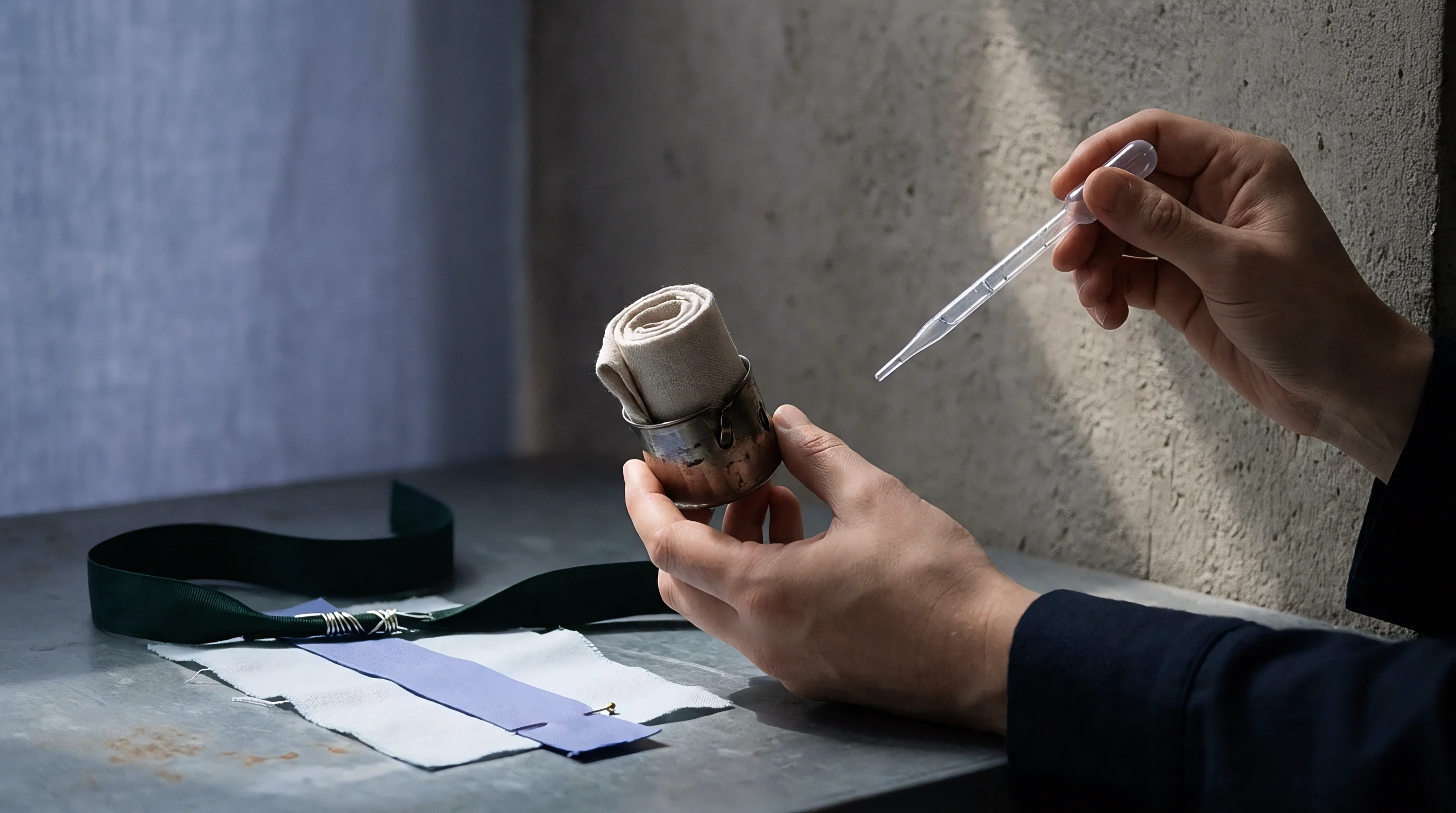
Fibre Bundle Preparation and Contamination Vectors
Converting certified organic hackled flax sliver into intermediate strands before spinning demands precise mechanical drafting without synthetic lubricants. Raw bast filaments contain pectins and hemicellulose binding individual ultimates together. In conventional processing, mill operators apply synthetic antistatic lubricants and polyethylene glycol emulsions to facilitate carding and drawing.
Organic verification protocols under GOTS version 7.0 and OCS version 3.0 restrict these processing aids to certified bio-based formulations. Residues of synthetic lubricants on raw bast fibres persist through preparation, directly contaminating drawing slivers and subsequent roving bobbins.
Bale tags declare harvest origin. Physical sampling of incoming sliver lots isolates chemical contamination before drafting begins. Non-compliant antistatic agents alter fibre surface friction, causing erratic drafting resistance and uneven sliver linear density.
When conventional spinning oils enter the drafting zone, their chemical markers transfer onto machine aprons and drafting rollers. Sub-sampling sliver at the breaker drawing head reveals residual pesticides, defoliants, or prohibited synthetic oils applied during post-harvest handling.
Storage of organic roving packages alongside conventional lots without physical containment barriers compromises certification integrity before spinning begins.

Physical Segregation in Storage Areas
Intermediate bobbins sit on creels or transport carts before entering the spinning frame. Flying lint and airborne fibre dust in spinning mills create immediate cross-contamination risks when organic and conventional lots share an unpartitioned room. Color-coded bobbin format systems provide visual distinction across production shifts.
Yellow bobbin heads identify certified organic lots, while standard black or white bobbins hold conventional flax sliver. Physical containment barriers between storage bays prevent lint accumulation on package surfaces.
Spinning breaks weak bundles. Transporting organic intermediate packages in carts previously used for conventional flax transfers short fibre fragments into the bobbin core. Auditors check mill floor floor-sweeping protocols, waste collection bins, and creel cleaning logs.
Verification procedures mandate dedicated bobbin carts, distinct storage aisles, and isolated winding zones to preserve organic lot segregation.
Failure to enforce physical containment during intermediate bobbin storage leads to cross-contamination audit findings, rendering full spinning lots ineligible for downstream transaction certificates.
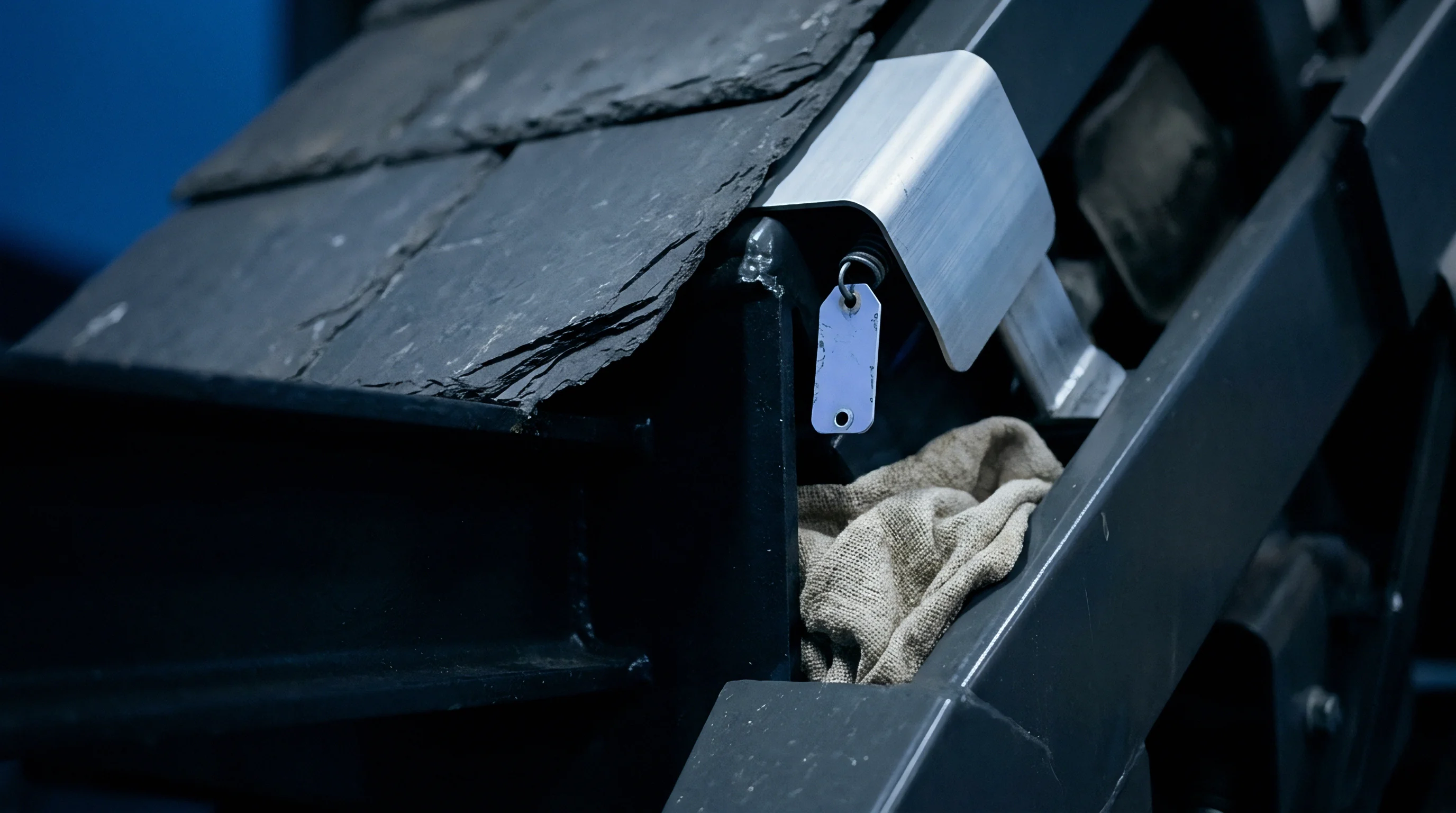

Trough

Hot Water Bath Softening Mechanics
Immersion of flax strands in heated water solubilizes calcium pectate within middle lamellae. Heating the process liquid between 60 and 80 degrees Celsius relaxes pectin bonds, allowing technical flax fibres to attenuate into finer ultimate components during drafting. Conventional mills often add caustic soda, synthetic wetting agents like alkylphenol ethoxylates, or chemical sequestering agents to accelerate pectin breakdown.
Organic wet spinning protocols prohibit synthetic wetting agents, restricting bath chemistry to pure softened water or certified bio-based surfactants listed under GOTS Annex 1.
Cold water retards pectin softening. Maintaining precise water bath temperature ensures consistent attenuation without requiring aggressive chemical accelerators. Thermal sensors along the immersion tank continuously log bath temperatures to verify operational parameters.
If temperatures drop below 60 degrees Celsius, drafting tension spikes, causing thread breaks and strand unevenness.

Thermal and Chemical Control Parameters
Organic processing standards restrict bath additives to certified bio-based surfactants and chelating agents. Monitoring bath liquid composition requires periodic extraction testing and continuous pH tracking. Tank water pH remains neutral between 6.5 and 7.5 when operating without alkaline additives.
Shifts toward basic pH ranges indicate unauthorized caustic additions designed to speed up fibre softening.
| Processing Parameter | Conventional Wet Spinning | Organic Wet Spinning Protocol | Compliance Standard |
|---|---|---|---|
| Water Bath Temperature | 60 to 70 degrees Celsius | 70 to 80 degrees Celsius | GOTS Section 4.2 |
| Wetting Agent Class | Alkylphenol Ethoxylates (APEO) | Certified Bio-based Surfactant | GOTS Annex 1 Restricted List |
| Sequestering Agent | EDTA / DTPA synthetic chelators | Citric acid or zero additive | ISO 1833-1 Extraction Limit |
| Bath pH Range | 8.5 to 10.5 (alkaline modified) | 6.5 to 7.5 (neutral) | OCS Version 3.0 Standard |
| Residual Pesticide Limit | Not monitored in process bath | Less than 0.01 mg/kg target | ISO 17025 LC-MS/MS Protocol |

Bath Water Turnover and Cleaning Cycles
Flushing operational tanks between lot changes prevents residual synthetic wetting agents from transferring to certified fibre. Mills executing contract spinning runs for certified organic clients must execute full line clean-in-place procedures. Clean-in-place operations require draining heating tanks, flushing pipework, and scrubbing immersion rollers.
Rinsing validation uses electrical conductivity meters to confirm total dissolved solids return to incoming water baseline levels.
- Drain the bath reservoir completely and scrub stainless steel immersion rollers using GOTS-approved bio-based detergents.
- Rinse the system with deionized water until effluent electrical conductivity drops below 5 microsiemens per centimeter.
- Fill the tank with potable water heated to 70 degrees Celsius and verify zero detection of alkylphenol ethoxylates.
- Collect initial bath water samples in amber glass bottles for gas chromatography mass spectrometry analysis prior to introducing organic roving.
The mill representative claimed that trace detergent residues in the heating bath resulted from municipal water treatment supply variations rather than incomplete line flushing.
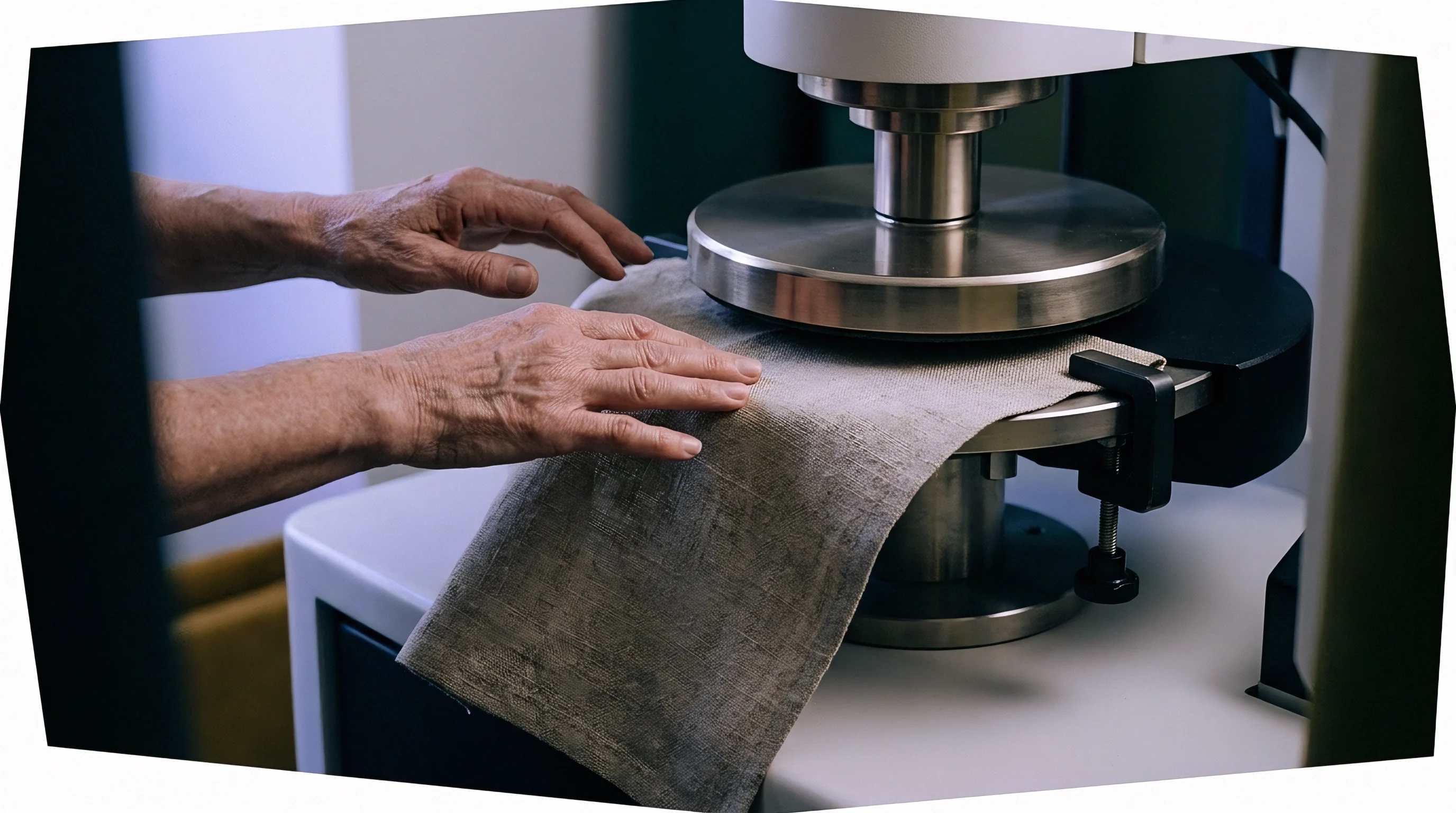

Draft

Attenuation Dynamics and Roller Nip Pressure
Attenuation between back and front rollers reduces line flax strands to target yarn counts. Linear speed differences between roller pairs govern strand elongation. In wet spinning, draft ratios typically range from 10 to 20, depending on roving linear density and desired yarn lea.
Softened middle lamellae allow ultimate fibres (measuring 10 to 40 millimetres in length) to slide past one another smoothly. Nip pressure applied by synthetic rubber top rollers controls fibre slip within the drafting zone.
Wet draft softens technical bundles. Excessive nip pressure damages delicate bast filaments, while insufficient pressure causes slippage and irregular yarn thickness. Roller fluting profiles must remain clean and free of resin accumulation.
Fluting surfaces coated with residual pectins or synthetic waxes alter local friction coefficients, introducing yarn periodic mass variations detected on Uster testers.

Can Synthetic Additives Be Detected in Wet Spun Yarn?
Analytical verification methods for wet-spun yarn rely on gas chromatography mass spectrometry to identify non-permitted lubricants. Quantitative chemical extraction using dichloromethane removes lipid-soluble substances from dried yarn samples. Fourier-transform infrared spectroscopy analyzes extracted residues for characteristic absorbance bands of silicone oils, mineral hydrocarbons, and synthetic ester spin finishes.
ISO 17025 accredited laboratories perform pesticide multi-residue screenings using LC-MS/MS, detecting target analytes like organochlorines, organophosphates, and synthetic pyrethroids down to 0.01 milligrams per kilogram.
Testing wet spun organic linen yarn for banned organochlorines requires gas chromatography limits below 0.01 milligrams per kilogram under ISO 17025 protocol.
Synthetic sizing creates illegal residue. Bio-based oils replace synthetic lubricants. Verification protocols mandate routine batch testing of finished yarn bobbins prior to certificate issuance.
Laboratory testing confirms chemical purity. Detecting unauthorized chemicals invalidates batch organic status and halts transaction certificate processing.
Whether inline optical spectroscopy can differentiate between bio-based softening agents and synthetic lubricants during high-speed draft attenuation remains subject to ongoing mill trials.


Mass

Yield Losses across Wet Transformation Stages
Material yield monitoring across mechanical processing stages isolates uncertified fiber mixing. Converting raw scutched line into fine yarn generates physical scrap at every processing unit. Carding, hackling, combing, roving, and wet spinning each produce distinct waste fractions including noils, flyer waste, bath sludge, and winding cut-offs.
Accurate mass balance calculations track total dry flax weight entering the mill against net dry yarn weight departing the facility.
Mass balance dictates net output. Total material losses during wet flax processing typically range from 15 to 30 percent depending on fibre quality and target yarn fineness. Carding noils carry coarse fibers.
Combing noils carry short fibres suited for coarser rotor spinning but unusable in high-lea wet spun yarns. Sludge accumulating in hot water troughs contains dissolved pectins, hemicellulose, and short fibre fragments removed during high-ratio drafting.

Moisture Regain Adjustment and Standard Allowance
Linen yarn absorbs atmospheric moisture up to twelve percent under ISO 6741 standard testing conditions. Commercial weight calculation adjusts gross package weight to account for moisture content using dry mass determinations. Oven-drying test samples at 105 degrees Celsius establishes bone-dry fibre weight.
Commercial regain factors (12.0 percent for linen yarn, 13.0 percent for raw flax fibre) apply to dry mass calculations to standardize commercial invoice weights.
| Transformation Stage | Typical Input Mass (kg) | Nominal Output Mass (kg) | Process Yield (%) | Mass Reconciliation Formula |
|---|---|---|---|---|
| Hackling & Combing | 1000.0 | 720.0 | 72.0 | Line Fibre Mass / Raw Scutched Mass |
| Roving Preparation | 720.0 | 684.0 | 95.0 | Roving Mass / Hackled Sliver Mass |
| Wet Spinning Trough & Draft | 684.0 | 601.9 | 88.0 | Greige Yarn Mass / Roving Input Mass |
| Winding & Clearing | 601.9 | 589.9 | 98.0 | Final Cone Mass / Ring Bobbin Mass |

Volumetric Discrepancy Identification
Comparing physical inventory scale readings against batch transaction paperwork highlights missing material volumes. Discrepancies between input fibre weight and output yarn weight beyond standard yield tolerances suggest uncertified fibre substitution or unauthorized waste diversion. Audit records reveal actual yield.
Auditors review weighbridge tickets, machine operator production logs, and warehouse inventory ledgers to verify material flow balance.
- Verify dry mass conversion Apply standard commercial moisture regain allowances of twelve percent to prevent false volumetric discrepancies caused by humidity fluctuations.
- Audit combing waste sales Match noil output weighbridge receipts against input sliver weight to confirm no uncertified fiber entered the carding line.
- Reconcile flyer waste logs Compare machine operator scrap logs against wet spinning frame efficiency metrics to detect unaccounted mass drops.
- Cross-check tare weights Confirm bobbin core tare weight calibration prior to weighing wet yarn packages coming off the spinning frame.
Excess moisture distorts batch weights. Yield drops during heavy carding. Tracking volume ratios prevents conventional fibre blending during high-volume production runs.
Mass balance discrepancies exceeding moisture tolerance limits signal immediate line audit necessity before issuing downstream transaction certificates.

Ledger

Scope Certificates and Transaction Certificates
Chain-of-custody documentation creates a legal link from agricultural field harvest to final yarn packages. Third-party auditing agencies issue facility qualifications under GOTS version 7.0 and OCS version 3.0 standards. Scope Certificates confirm a processing facility possesses adequate machinery, separation procedures, and administrative systems to process organic textiles.
Scope Certificates expire annually, requiring yearly site re-audits under ISO/IEC 17065 guidelines.
Transaction TCs prove physical flow. Transaction Certificates validate specific shipping batches, transferring organic status from raw fibre merchants to spinners and weavers. Each Transaction Certificate specifies net fibre weight, commercial yarn count, buyer details, shipping manifest numbers, and farm-level traceability codes under Harmonized System code 530610.
Uncertified lots void downstream claims.

Documentary Mapping across International Schemes
Customs inspectors cross-reference textile shipping invoices against certified lot weights. Harmonized System classifications differentiate between raw flax (HS 5301), flax yarn (HS 5306), and woven linen fabric (HS 5309). Preferential origin declarations under trade agreements require clear proof of regional transformation stages alongside organic certification documents.
| Standard Scheme | Certification Body Standard | Key Required Document | Expiry and Validation Rule | Verification Gate |
|---|---|---|---|---|
| GOTS 7.0 | ISO/IEC 17065 Accredited | Transaction Certificate (TC) | Issued within 60 days of dispatch | Certifier Portal API Check |
| OCS 3.0 | Textile Exchange Standard | Scope Certificate (SC) | Annual expiry with mandatory audit | Facility On-site Physical Audit |
| EU Organic 2018/848 | EU Accredited Control Body | Certificate of Inspection (COI) | Valid per customs entry lot | TRACES NT Electronic System |
| US FTC 16 CFR Part 303 | US Federal Trade Commission | Fibre Content Declaration | Continuous coverage per invoice | Customs Entry Summary Verification |

Reconciliation Protocols for Cross-Border Consignments
Tracing imported organic yarn lots requires matching port entry bills of lading directly to spinning production records. Cross-border audits verify that landed net weight matches certified batch weights on transaction paperwork. Customs reject unverified origin certificates.
Importers must retain complete chain-of-custody dossiers for five years to meet federal regulatory compliance mandates.
- Farm scope certificate Documents agricultural certification compliance under standard organic farming regulations prior to straw retting.
- Scutcher transaction certificate Proves physical transfer of certified organic flax straw from farm to scutching facility.
- Spinner weighbridge receipt Records gross, tare, and net weights of incoming fiber bales at the spinning mill entrance gate.
- Spinning batch production log Links specific incoming raw fiber lot numbers directly to wet spinning frame shift reports.
Section 5.2 of the Global Organic Textile Standard mandates that transaction certificates expire instantly if batch mass exceeds scope facility inputs.
Standard purchase contract addendum clause 14.3 transfers all duty costs and inventory detention charges directly to the spinner whenever transaction certificates fail verification at customs clearance.


Warranty

Contractual Allocation of Provenance Risk
Contractual terms assign financial responsibility when organic claims fail analytical testing. Yarn purchase agreements specify explicit financial penalties for uncertified fibre detection. Legal liability clauses structure remedy rights, audit access rules, and cost allocation for inventory recalls.
Under US FTC Textile Rules 16 CFR Part 303 and EU Regulation 1007/2011, mislabeling fiber composition or organic status exposes commercial brands to regulatory fines and mandatory product confiscation.
Customs reject unverified origin certificates. Supply contracts include explicit warranty terms guaranteeing that all supplied yarns originate from certified organic flax farms verified by ISO/IEC 17065 accredited bodies. If analytical screening reveals prohibited synthetic residues, the supplier indemnifies the buyer for total order cancellation, freight charges, and laboratory testing expenses.

Laboratory Protocol Verification Gates
Commercial release of spinning lots depends on passing three sequential testing checkpoints. Verification gate one validates electronic Transaction Certificates against certification body central databases. Gate two conducts physical sample extractions to test chemical purity under ISO 17025 accredited laboratory protocols.
Gate three executes mass balance volume reconciliations, verifying input-output mass ratios against standard process yield limits.
Commercial contracts without explicit analytical test thresholds leave yarn buyers exposed to downstream labeling enforcement penalties.
Verification protocols create enforceable operational safeguards for organic linen procurement. Establishing quantitative test thresholds protects buyers against fraudulent certification claims and illegal fibre blending. Enforcement authorities in major destination markets conduct random retail spot-checks using isotope ratio mass spectrometry and chemical extraction, holding brands directly liable for unverified yarn origins.