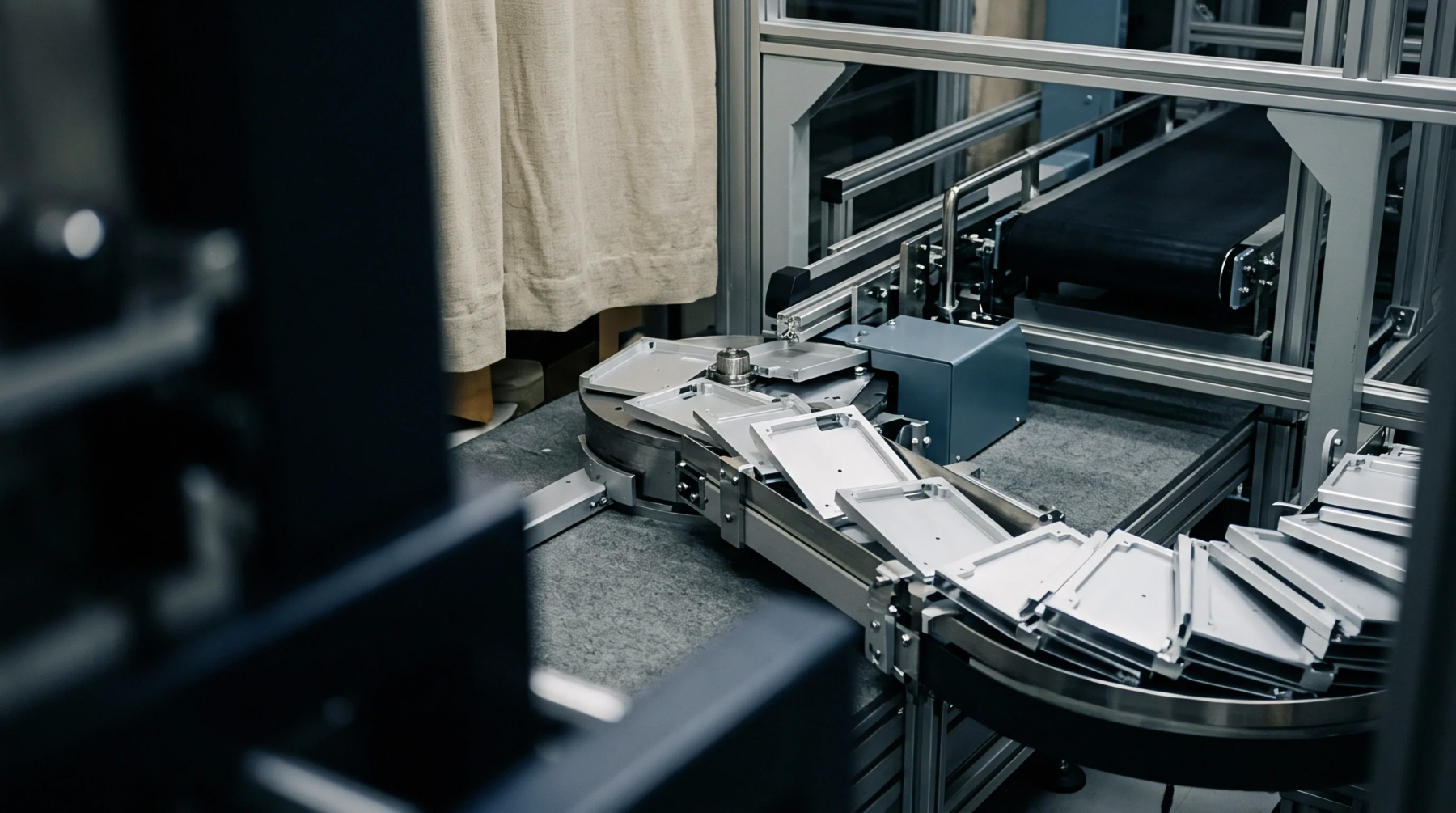
Systematic Sanitization
Automated cleaning sequence removes contaminants from the internal surfaces of production equipment without requiring disassembly. Under a clean-in-place protocol, the system pumps detergents, acids, surfactants, and rinses through the pipes and tanks of a dyeing or finishing line. This method ensures that the hardware remains free of scale or dye residue between production batches.
Chemical Sequence
Effective sanitation relies on a fixed order of fluids moving at high velocity to create mechanical scrubbing action. A standard clean-in-place protocol begins with a water flush to remove loose debris before an alkaline wash targets organic waxes or oils. Acidic rinses follow to neutralize the pH and strip mineral deposits from the stainless steel surfaces.
Each stage is timed and temperature controlled to maximize the removal of flax pectin or residual pigments. Continuous sensors monitor the conductivity of the return flow to verify that the rinse has removed all cleaning agents.
Contamination Prevention
Rigid application of these rules protects the purity of the next batch of linen fabric. By following a clean-in-place protocol, the mill eliminates the risk of cross-contamination between different color runs. This reliability is mandatory for maintaining the high brightness levels required for white flax exports.