
Wet Spun Flax Tenacity Correlation with Pectin Solubilization Parameters
Optimal wet-spun flax tenacity demands controlling trough temperature and water hardness to dissolve 3.2-4.1% pectin mass without degrading cellulose strands.
Optimal wet-spun flax tenacity demands controlling trough temperature and water hardness to dissolve 3.2-4.1% pectin mass without degrading cellulose strands.
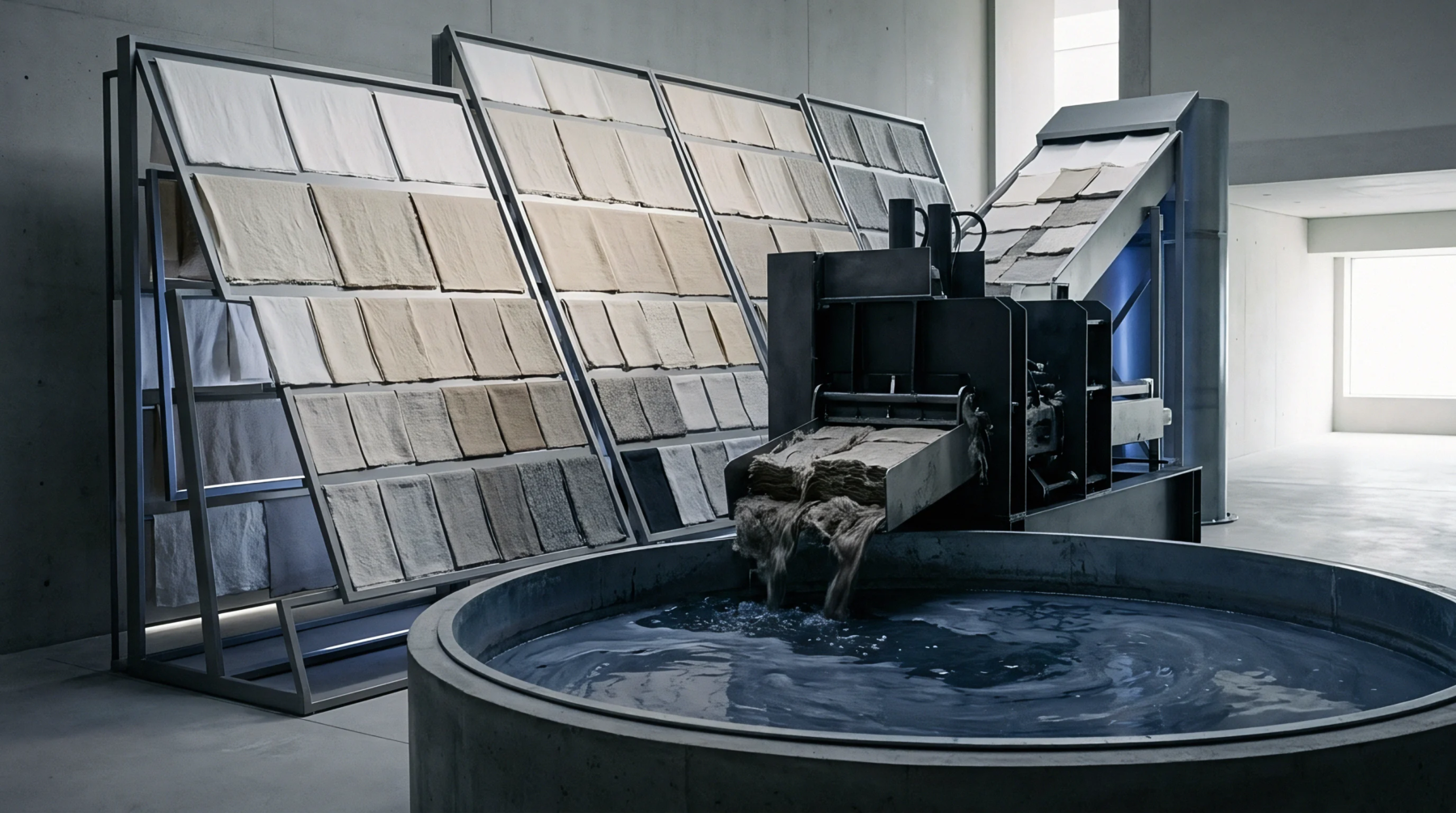
Closed loop wet spinning stabilizes yarn count and tenacity only when continuous ultrafiltration limits dissolved organic pectin solids below 800 milligrams per litre.

Trough water hardness suppresses enzymatic pectin hydrolysis, altering dry fiber mass loss and requiring calcium-calibrated true-up calculations.
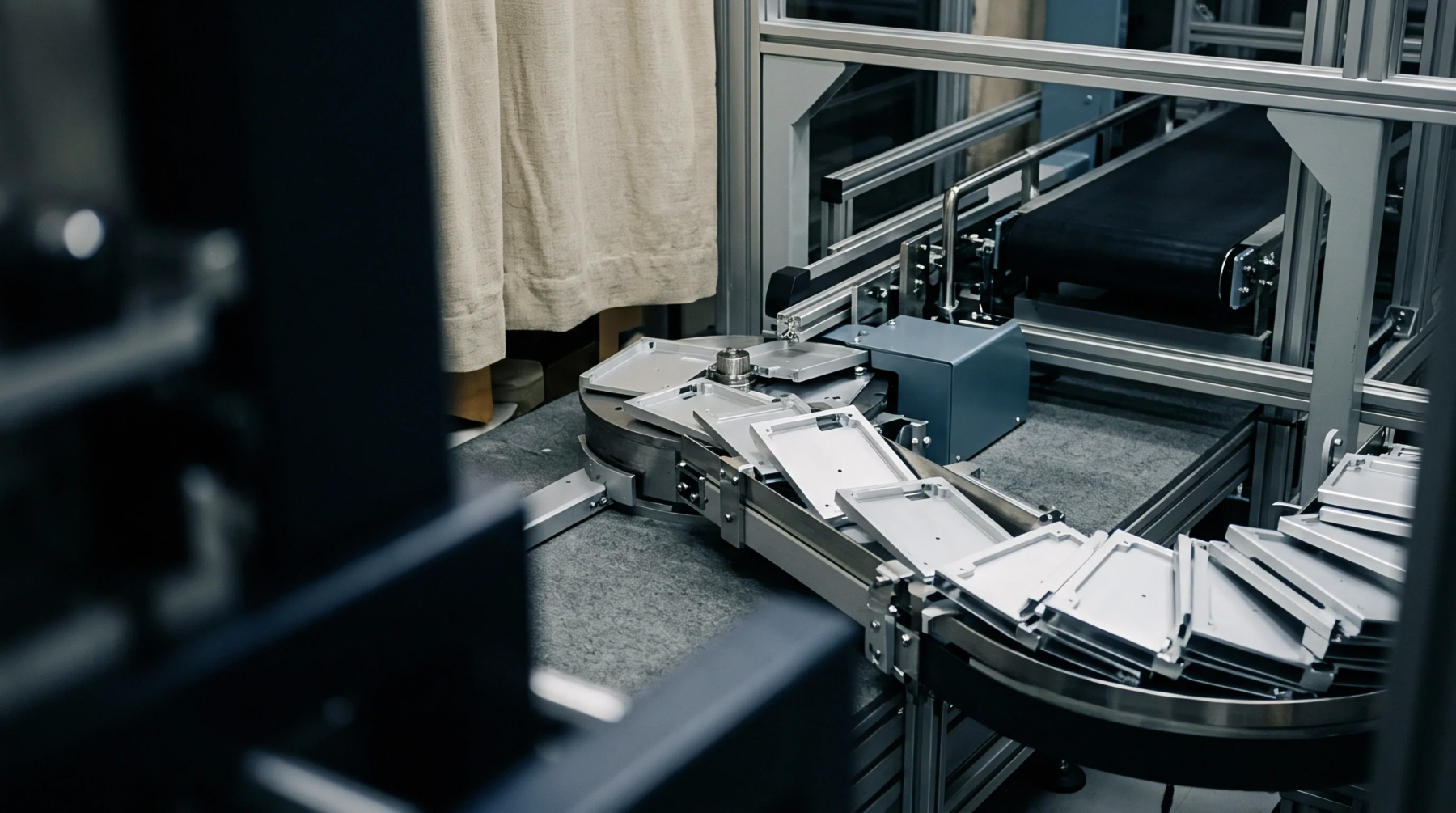
Optimize flax wet spinning by maintaining attenuation troughs at 68-72°C with soft water to dissolve pectins without degrading elementary fiber tensile strength.
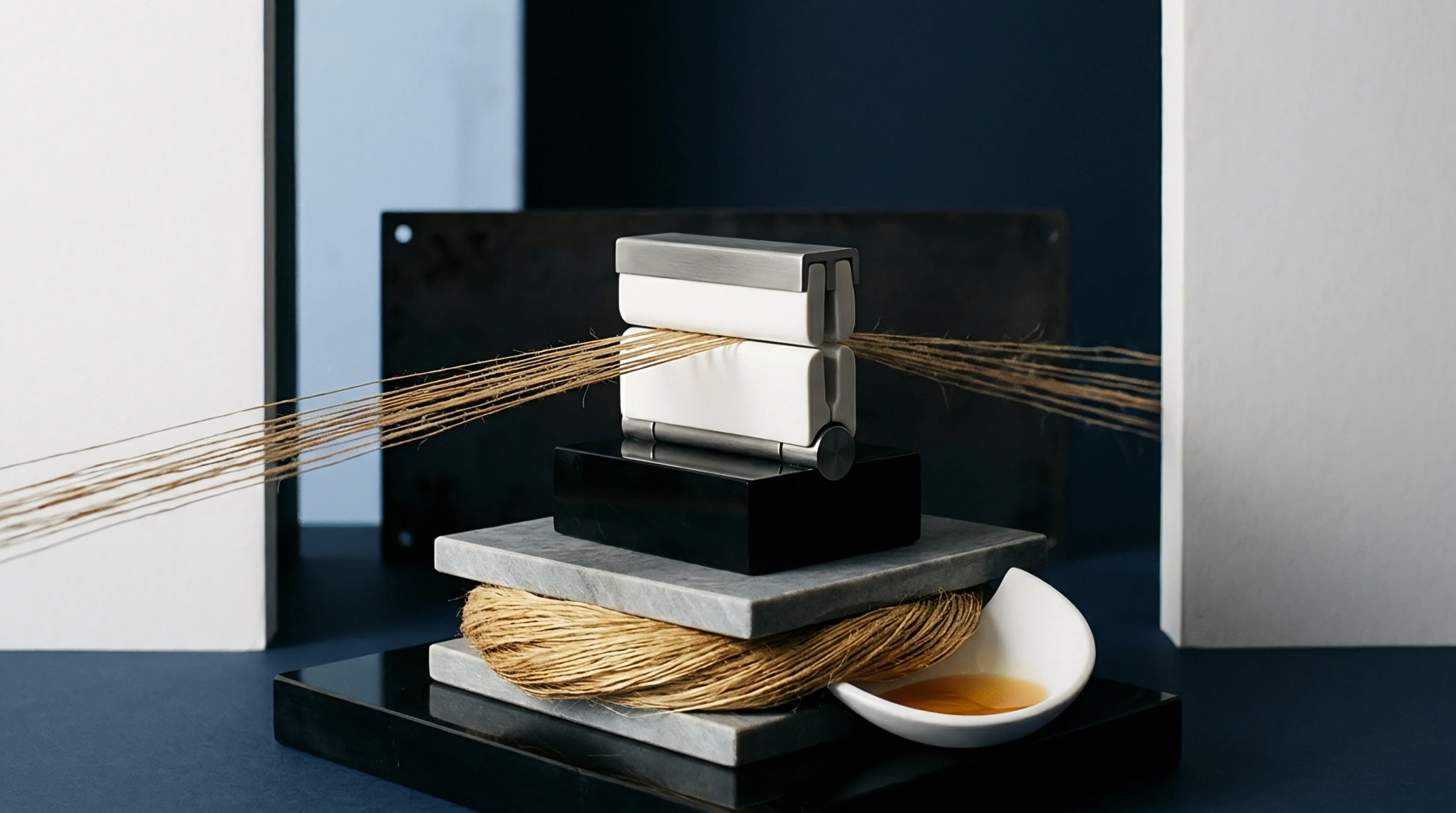
Optimizing wet spinning trough temperature and bath chemistry based on flax lignin metrics stabilizes drafting forces, drops end breaks, and cuts yarn cost.
Expertise is a utility, not a secret. sentiention™ publishes its working knowledge as open reference: intelligence layer covering the materials it sources, the markets it enters, and the reference that serves both.