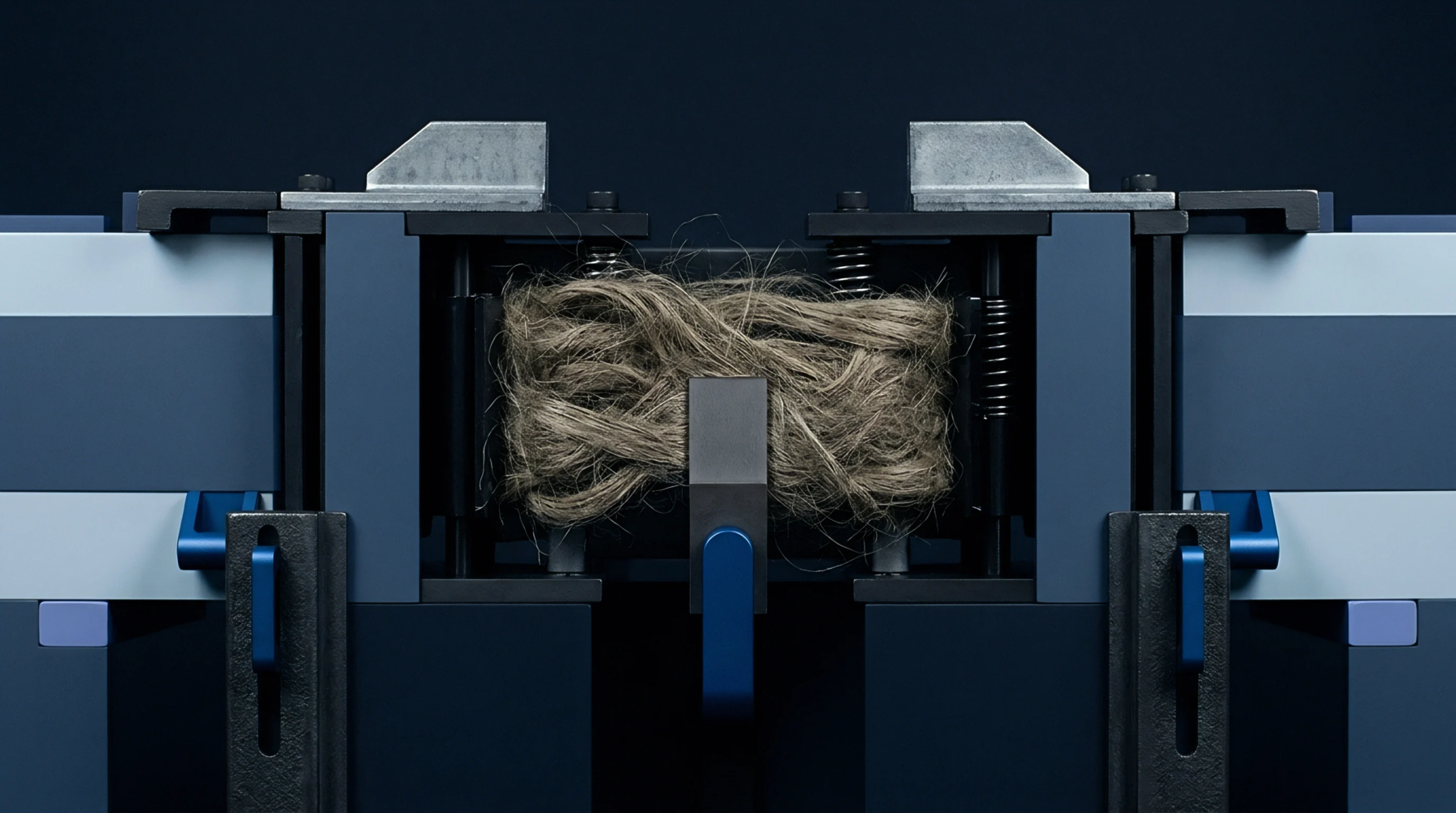
Waste Examination
The systematic evaluation of material loss throughout the spinning and weaving processes ensures that raw material usage remains within planned economic limits. Conducting a waste allowance audit helps linen mills identify the specific stages where excess flax fibre is discarded. This assessment compares the actual weight of yarn or fabric produced against the weight of the raw flax consumed.
It provides mill managers with a clear picture of the efficiency of the hackling, drawing, and spinning departments.
Audit Execution
Mill auditors collect daily waste logs and trace the flow of material from the initial bale opening to the final yarn packaging. During this audit, the waste is categorized into clean comb tow, spin waste, and sweepings to isolate the root causes of excess loss. If the hackling machines are out of alignment, the proportion of long line fibres decreases, which increases the amount of tow generated.
This analysis reveals whether the material loss is due to machinery faults or poor raw material quality. The results of the audit are compiled into a waste report that guides corrective maintenance actions.
Financial Recovery
Reducing waste through these audits directly lowers the production cost per kilogram of finished linen yarn. The audit report is used by mill management to adjust the waste allowance coefficients in the standard costing sheets. This updates the raw material pricing for future customer contracts to ensure profitability.