Loom Timing
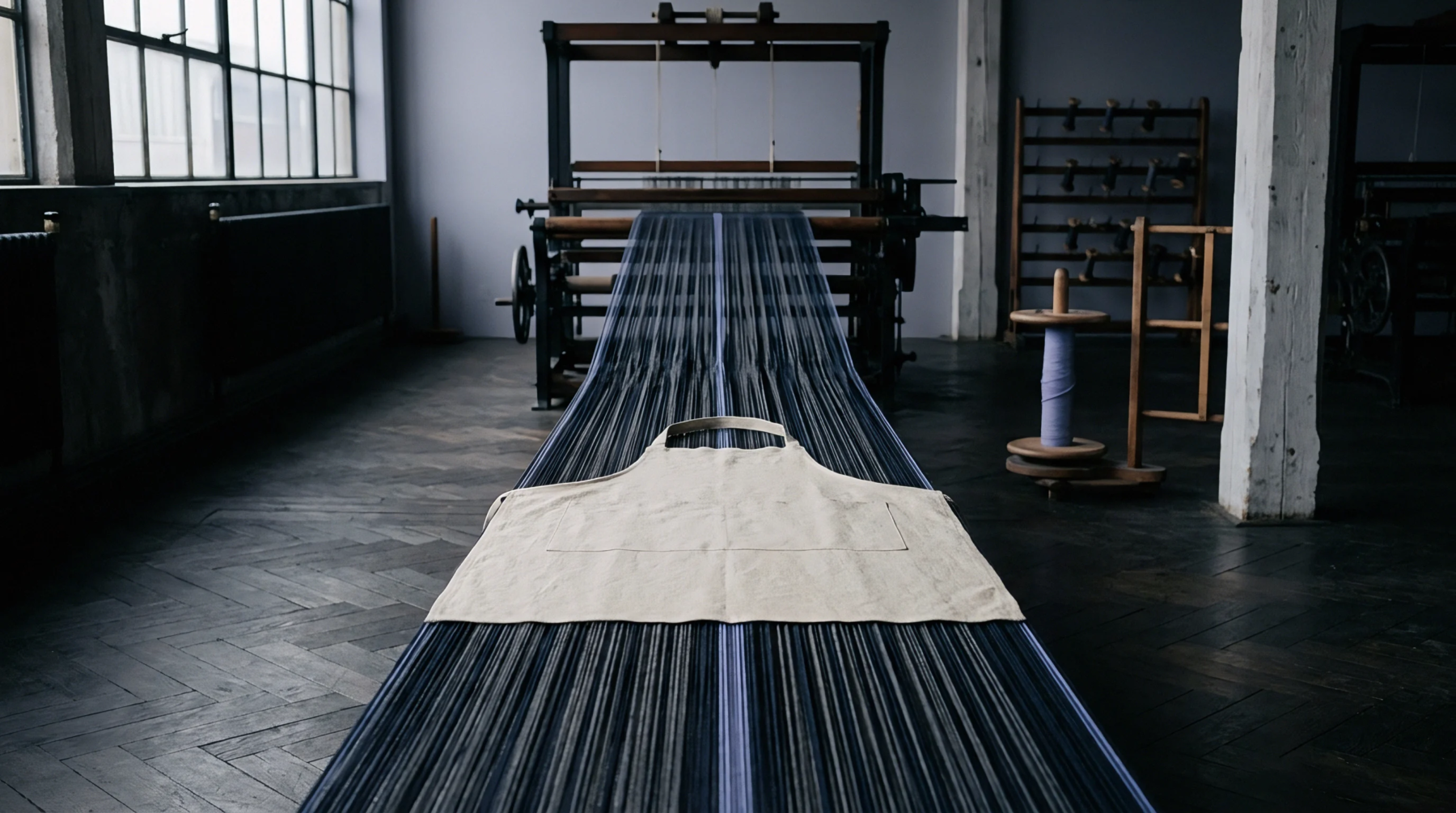
Interlacing control parameters govern the sequential elevation of warp threads during the mechanical formation of flax textiles on high speed water jet looms. During this stage of production in Chinese mills, staggered shed opening alters yarn tension distribution across the entire warp beam before the filling insertion cycle begins. Graduated frame movement prevents excessive abrasion on delicate linen fibres by separating the harness lifting sequence into discrete temporal intervals.
Mill operators verify these adjustments against internal quality sheets rather than buyer acceptance criteria because export standards focus exclusively on final fabric density. When timing differentials exceed mill tolerances, uneven warp stress causes microscopic filament breakage during the beating action. That physical damage remains invisible until the bleached cloth reaches the finishing line where surface defects appear during inspection.
Phase Synchronization
Harness displacement mechanics dictate how smoothly the weft yarn passes through the vertical opening formed by alternating warp threads. Mechanical linkages control the exact degree of angular rotation required to lift individual heddle frames independently during each weaving pass. Adjusting this geometric progression reduces peak tension loads on untreated flax yarn while the shuttle mechanism traverses the open warp.
Production supervisors record synchronization values in daily shift logs maintained beside every operating loom on the factory floor. Proper alignment ensures uniform fabric grade classification by preventing warp streaks in heavy dress linen exports. Improper synchronization creates localized slackness that disrupts the consistent interlacing pattern required for premium textile manufacture.
Tension Regulation
Force measurements monitor the physical resistance exerted by warp threads against the reciprocating reed during continuous cloth production. Sensors positioned near the backrest roller register tension fluctuations caused by uneven frame movement across the weaving width. Technicians calibrate these load cells weekly to match the natural elasticity profile of wet spun linen yarns.
Maintaining accurate tension levels prevents warp breakage in dense fabrics intended for international apparel markets. Excessive tension distorts the natural drape of finished linen goods and forces a downgrade from first quality export stock to domestic utility grade. Correct mechanical adjustment during the shed formation stage preserves tensile strength throughout subsequent washing and dyeing procedures.