Roller Mechanics
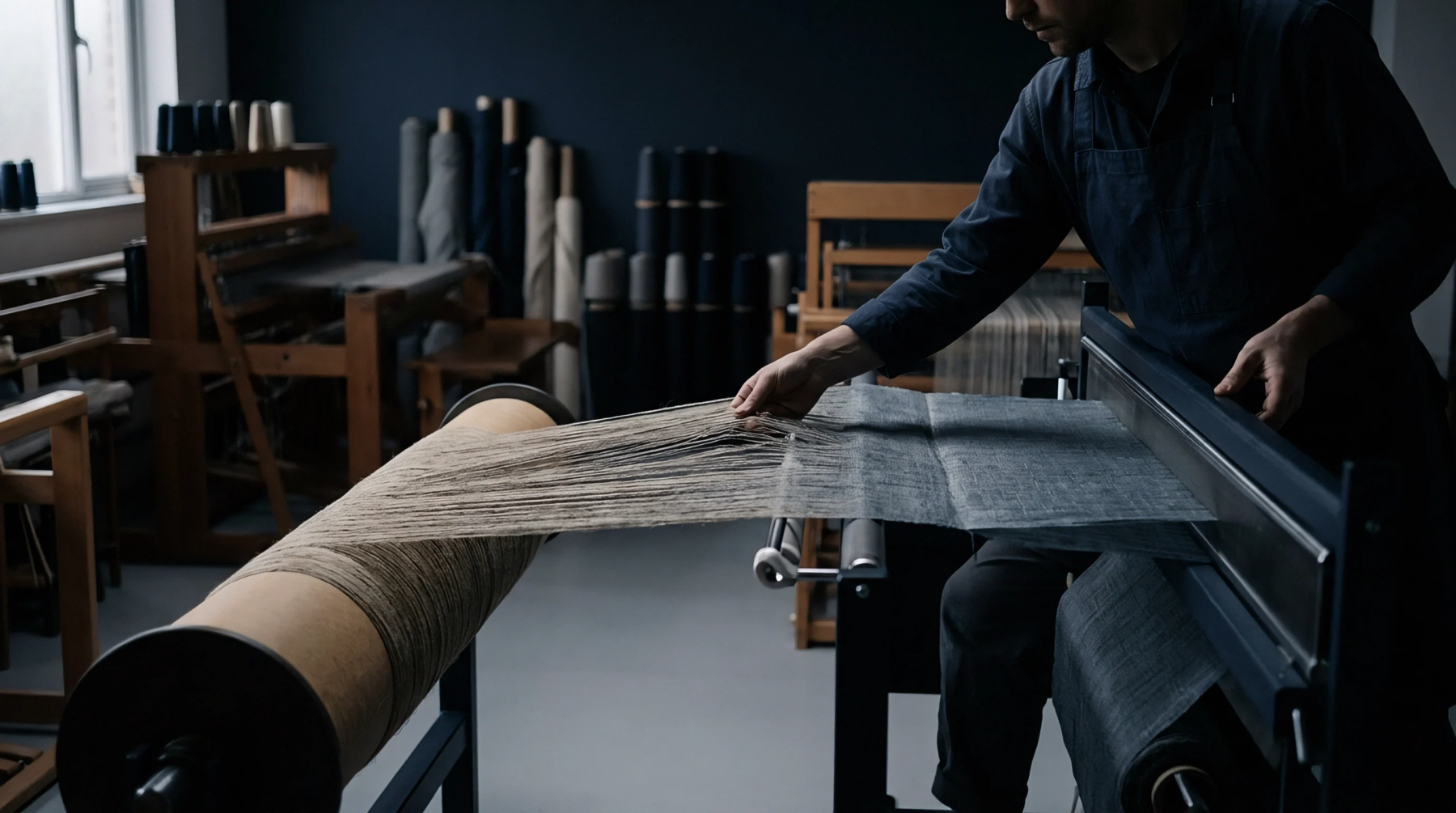
Mechanical force applied through heavy metal cylinders extracts surplus moisture from wet linen cloth during final wet finishing stages in Chinese textile mills. Squeeze roller pressure determines how much residual water remains inside woven flax fabrics before material enters heated drying cylinders. Hydraulic actuators regulate the downward force exerted across the entire width of the rotating iron barrels.
Excessive pressure compresses delicate natural fibres beyond elastic limits, flattening warp threads and permanently reducing the natural texture valued by foreign buyers. Insufficient force leaves excessive moisture trapped between yarns, creating steam pockets inside thermal drying chambers that scorch organic cellulose. Mill technicians record operating loads daily on production logs to maintain compliance with export specifications.
Cloth Density
Fabric weight and yarn count dictate the exact mechanical load required for moisture extraction on factory floors. Dense damask weaves demand higher downward force to penetrate tightly crossed flax yarns than loose plain weaves of comparable weight. Operators adjust hydraulic valves according to laboratory test reports issued after preliminary scouring stages.
Finished cloth grades depend heavily on moisture uniformity achieved during this specific mechanical operation. Mill acceptance thresholds tolerate minor variations across fabric edges, but central sections must meet strict buyer tolerance levels. Quality inspectors reject batches showing uneven water removal because dry streaks cause irregular dye absorption during subsequent coloration processes.
Export Standards
International textile contracts specify exact moisture regain percentages for linen shipments leaving eastern ports. Foreign purchasers test delivered bolts against agreed parameters to verify that processing machinery operated within safe mechanical boundaries. Contract disputes arise when excessive roller force crushes natural flax hollows, leaving fabrics stiff and unsuited for luxury apparel markets.
Standard mill protocols require calibration certificates for every hydraulic press before large production runs begin. Final inspection certificates record average operating loads alongside laboratory moisture readings to satisfy overseas trade requirements.