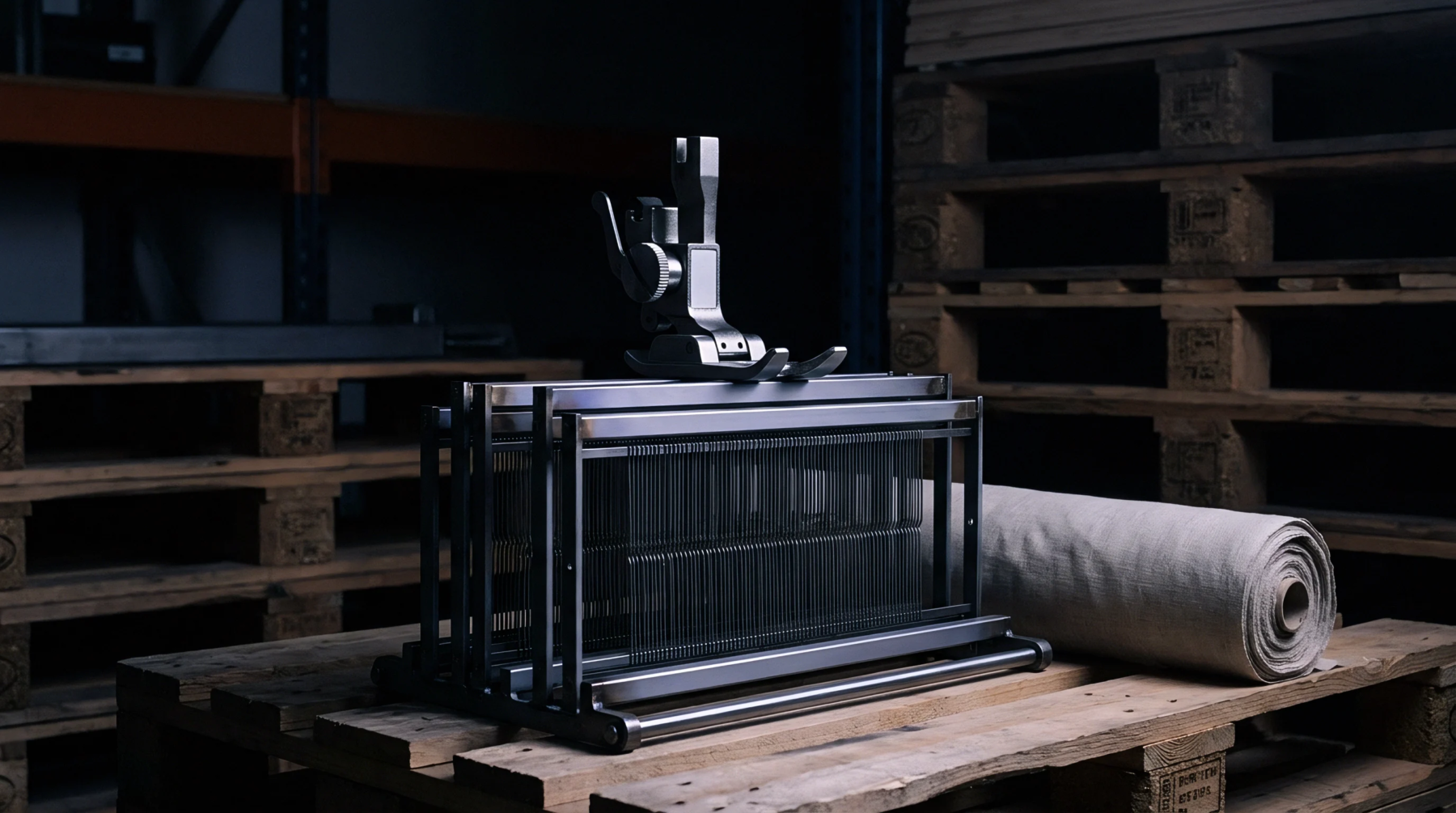
Weft Stalling
Loom mechanical failure occurs when the shuttle or projectile stops mid-course across the warp threads. Shed dwell refers to the duration the loom maintains the open shed after the insertion of the weft. This period allows the shuttle to clear the warp before the reed strikes the cloth edge.
Engineers monitor the interval to prevent contact between the reed and the incoming pick. If the timing remains too brief, the shuttle strikes the reed and breaks the warp yarn.
Timing Accuracy
Motion cycles for the shedding mechanism dictate the length of this dwell phase. Accurate calibration ensures the shed stays open exactly as long as the pick requires to exit the harness. Deviations beyond a few degrees of crankshaft rotation induce uneven tension in the fabric.
Mechanics adjust the cam profile to extend the dwell whenever higher loom speeds cause shuttle vibration or erratic flight. Maintaining consistent dwell promotes uniform cloth density across the entire width of the piece.
Production Quality
Optimal shed dwell prevents the common fault of double picks or distorted yarn alignment during the beating up process. Mills define their dwell standards through the maximum crank angle permitted before the shed closure begins. Operators record these angles in technical maintenance logs to track loom performance over long production runs.
A precise dwell setting governs the physical integrity of every meter of finished linen.