Boundary Scrap
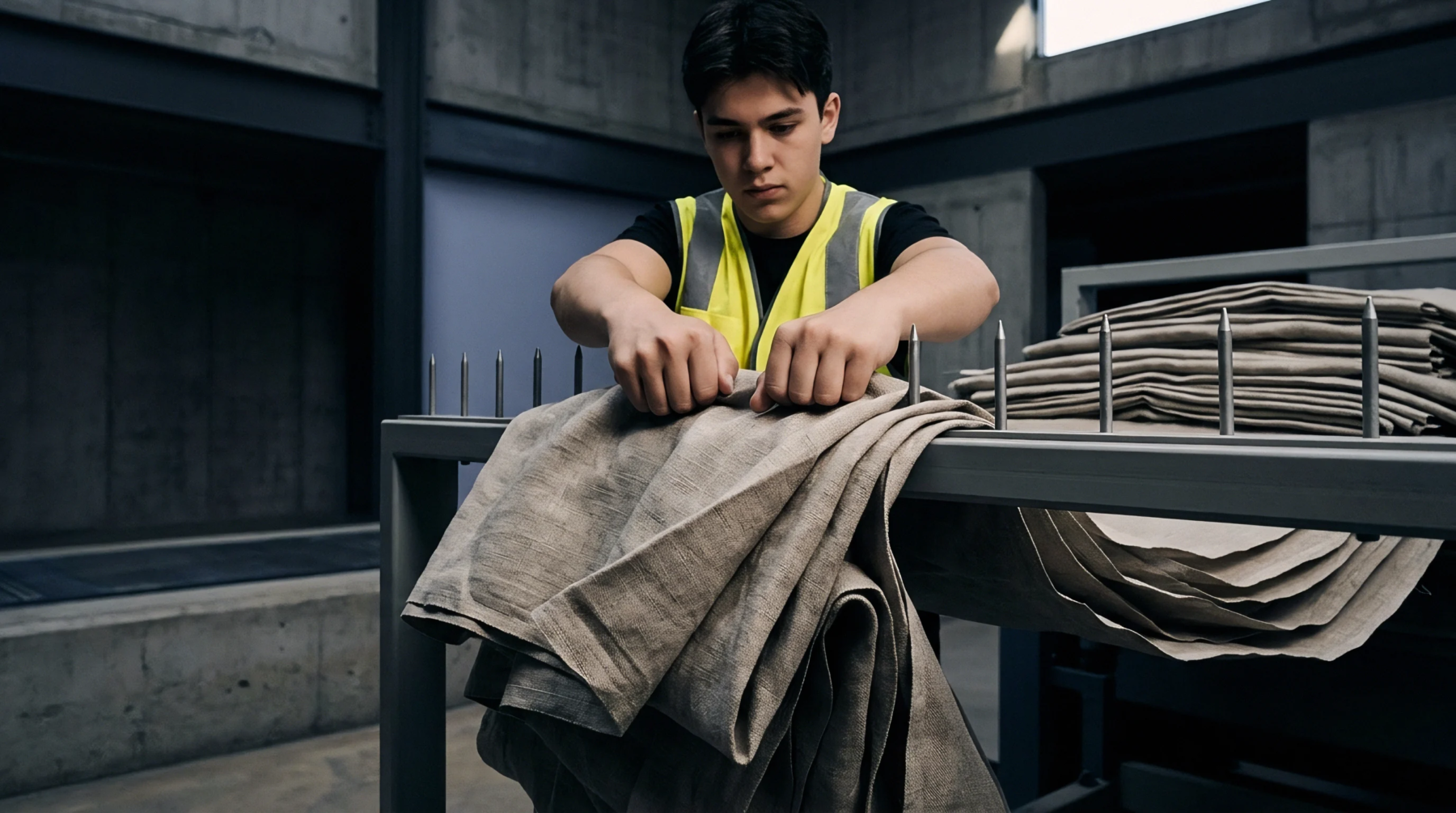
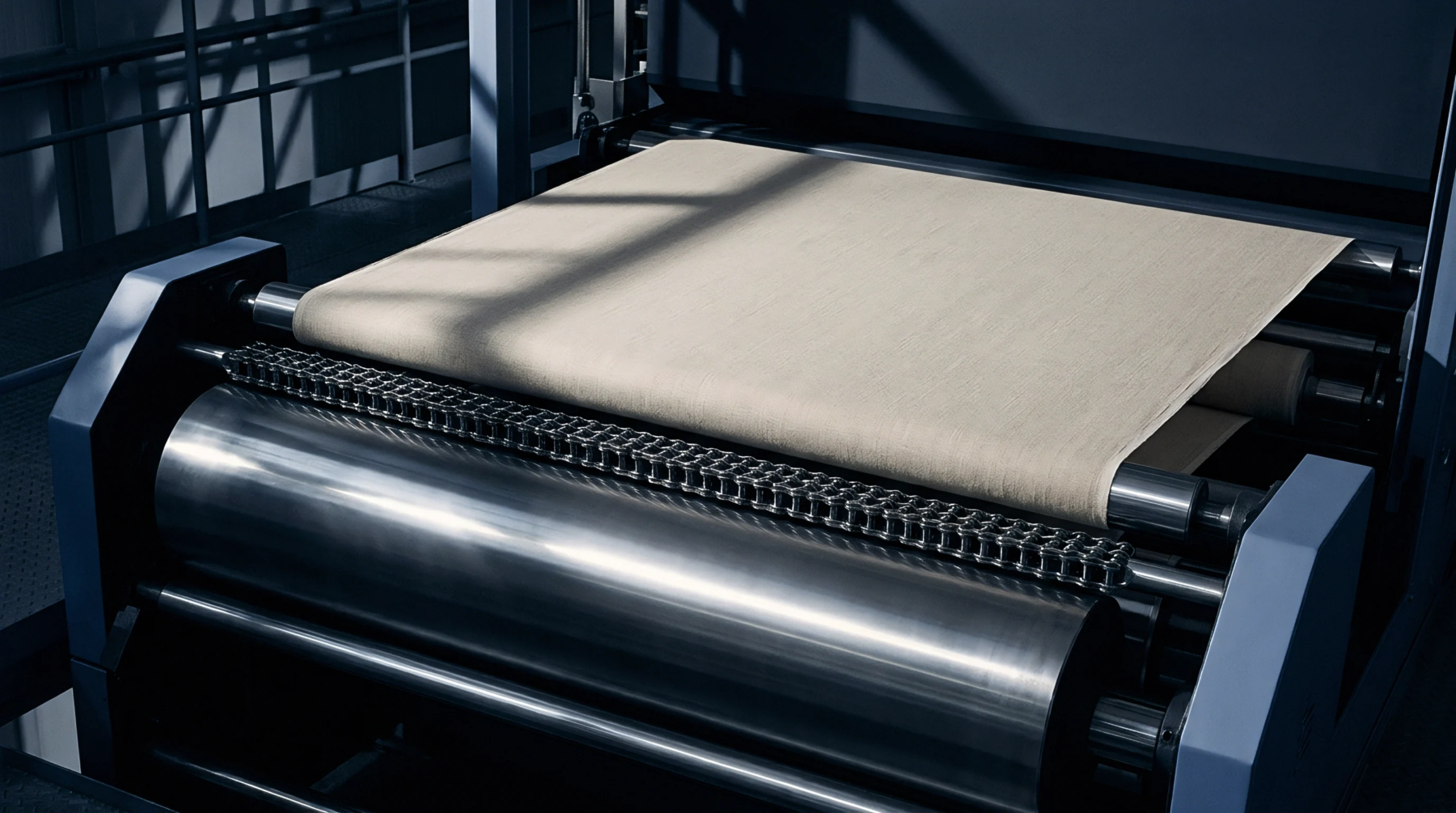
Trimming scrap consisting of fringe threads and auxiliary catch-cord yarns forms along fabric edges during shuttleless weaving and finishing operations. The accumulation of selvedge waste represents unavoidable raw material loss during high-speed air-jet and rapier linen cloth production. Edge trimmers cut away auxiliary leno structures and protruding weft ends to yield clean, uniform fabric borders.
This scrap material requires systematic collection and removal.
Material Loss
Shuttleless looms utilize tucking units or leno catch-cords to bind warp edges during pick insertion, leaving continuous fringe tails that are severed after beat-up. In linen weaving, flax yarn stiffness demands wider selvedge margins to prevent unraveling under temple tension, increasing total selvedge waste volume. Chinese weaving mills route trimmed fringe material into pneumatic waste extraction ducts to clear the weaving area and prevent yarn entanglements.
High raw flax costs force managers to optimize tuck-in margins and minimize warp length on edge bobbins. Recycled selvedge fibers find secondary use in industrial pulp or non-woven insulation padding.
Recovery Limit
Scrap reduction reaches its floor at the minimum width needed for mechanical gripper engagement and temple holding force. Trimming too close to the main fabric body compromises selvedge integrity during high-tension finishing. Standardized waste ratios benchmark loom efficiency across different weave structures.