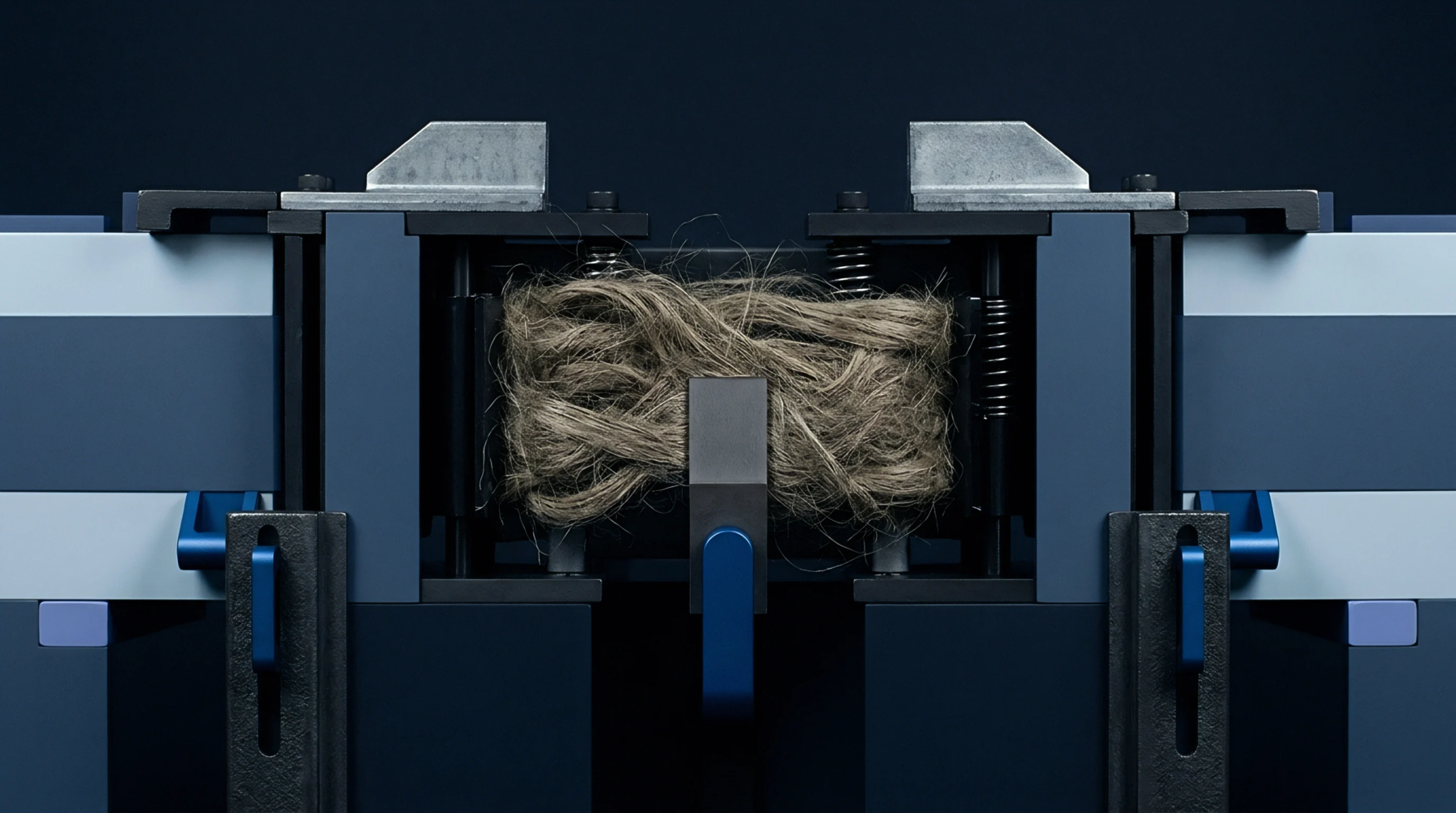
Chemical Preparation
Processing of the loosely twisted strand of fibers with water or chemical solutions prepares the material for the final drafting and spinning stage. The roving treatment usually involves immersion in hot water or a mild alkaline bath to soften the pectic substances that hold the flax bundles together. Wet spinning for high quality linen requires this specific preparation step.
Softening Procedure
Penetration of the liquid into the core of the strand ensures that the heat and moisture reach every fiber. During the roving treatment, the temperature of the water is carefully controlled to prevent the degradation of the cellulose while maximizing the pliability of the pectin. Some mills add wetting agents to speed up the saturation process and ensure uniform results across the entire batch.
The duration of the soak depends on the hardness of the water and the specific grade of the flax.
Spinning Efficiency
Improved fiber slippage allows for the production of very fine and smooth yarns. Without proper roving treatment, the fibers would remain too rigid to be drawn out effectively, leading to frequent breaks on the spinning frame. The cleanliness of the treatment water also affects the final color and brightness of the yarn.