Buffer Regulation
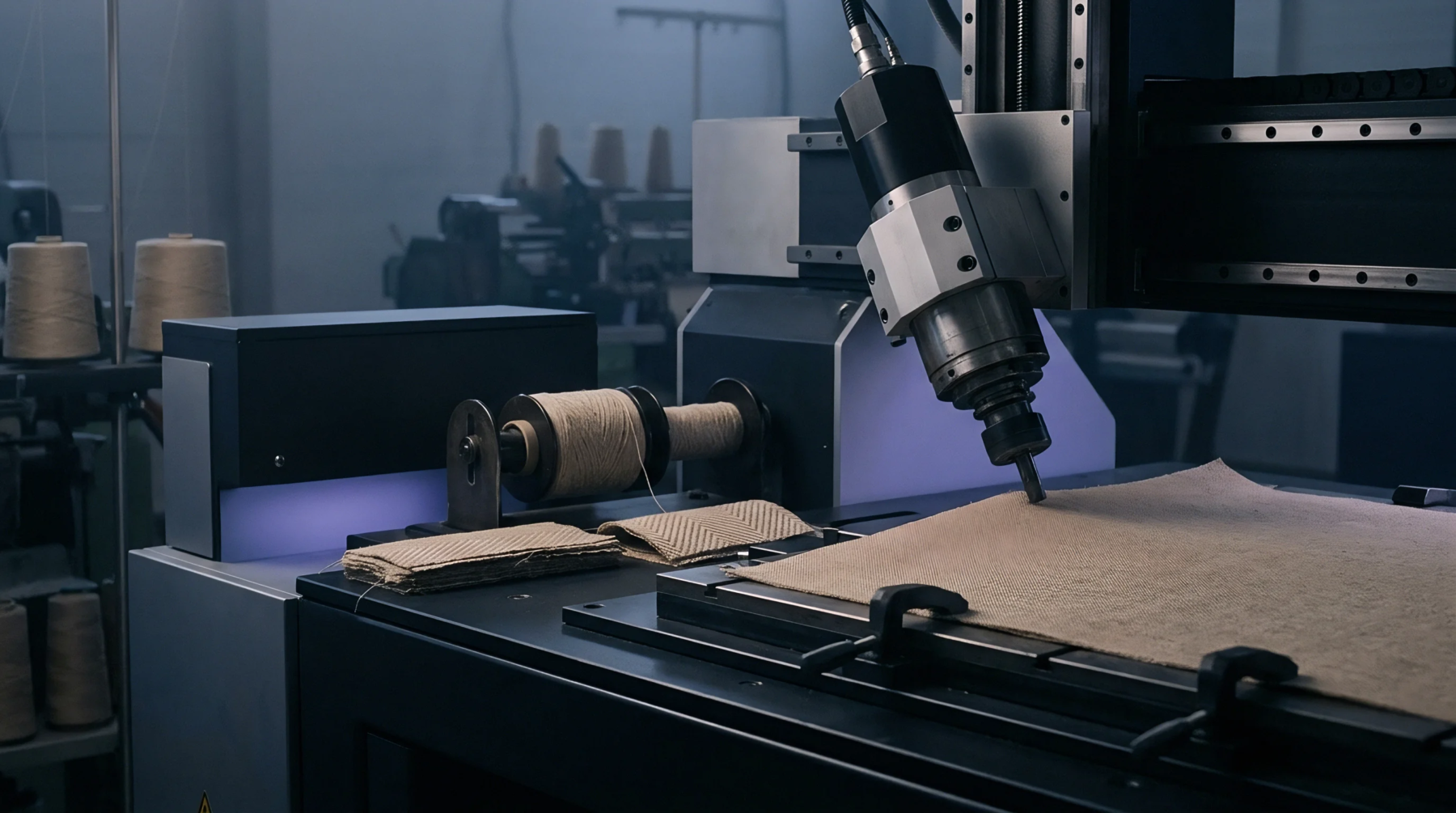
High speed spinning frames rely on a tension control device to maintain constant thread supply while preventing filament breakage before final spooling. This pre-winder accumulator performs the mechanical task of holding a variable quantity of fibre slack during rapid start and stop sequences within the drafting zone. Constant velocity rotation in the downstream bobbin requires consistent input force which this component delivers by adjusting the loops of material stored between the primary delivery rollers and the final take-up spindle.
Engineers grade this performance by checking the consistency of yarn count deviations recorded in the production log for each shift. Fibre quality requirements differ between mills, as internal standards mandate strict tension limits while external purchase agreements specify the maximum elongation allowed before rejection of the lot.
Tension Mechanics
Rotation sensors detect instantaneous speed variances originating from the drafting rollers to trigger immediate adjustments in the dancer arm position. These movements dictate how much yarn the pre-winder accumulator stores at any millisecond, smoothing out the peaks that otherwise cause permanent deformation in delicate flax strands. Precise feedback loops within the motor controller govern the amount of torque applied to the dancer, keeping the fibre loop length stable despite variations in raw material diameter or humidity levels.
Failure to regulate this slack causes irregular yarn density, which appears as visible defects in the finished cloth upon inspection. Maintenance schedules document the lubrication intervals for the dancer pivot to guarantee that mechanical resistance remains low enough for delicate fibres to slide without abrasive damage or fraying.
Operational Boundary
Production limits dictate that the capacity of the storage chamber restricts the maximum operating speed of the spinning unit during high volume cycles. When the demand for yarn exceeds the buffer capacity, tension spikes result in thread snapping and immediate cessation of the line for manual re-threading of the supply path. Mill operators track these incidents to differentiate between mechanical faults in the drive system and natural limitations inherent in the fibre properties.
Any deviation from the established set point during the spinning stage affects the final fabric weight reported in the quality control registry. Consistent management of this storage area prevents the accumulation of slack that leads to catastrophic tangles at the downstream winding heads.