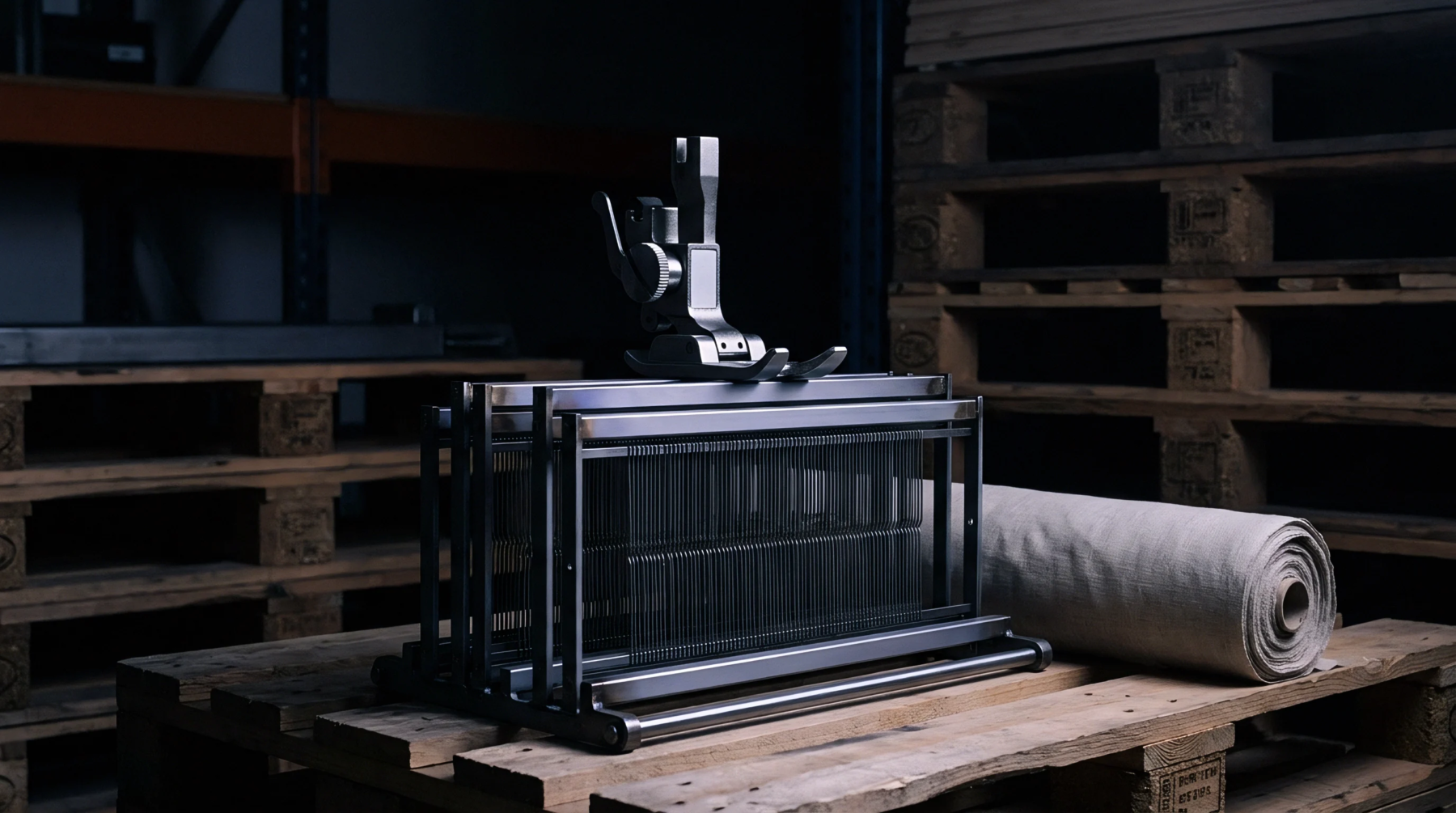
Density Regulation
Spatial distribution of weft yarns determines the structural tightness and permeability of a woven fabric. The precise control of pick spacing governs the number of horizontal yarns per centimetre in the finished linen cloth. This parameter determines the weight and stability of the product, aligning it with the contractual standards of the buyer.
Structural Variation
Variations in the rate of fabric take up generate local irregularities that impair the visual and mechanical uniformity of the textile. Uneven pick spacing produces alternating dense and sparse bands in the linen, which buyers often reject as seconds. To prevent these defects, the mill employs electronic take up motions that maintain a uniform pace during the continuous weaving cycle.
Inspection Protocol
Quality assurance inspectors measure the yarn spacing at multiple locations across each finished roll to verify compliance with specification sheets. If the observed pick spacing deviates from the mill sheet or the purchase order, the batch is flagged for downgrading. Technicians record the measurements in the weaving room output log, comparing them against the baseline tolerances specified in the Chinese national standard for flax fabrics.
This rigorous check ensures that the breathability and strength of the shipped linen remain within commercial limits.