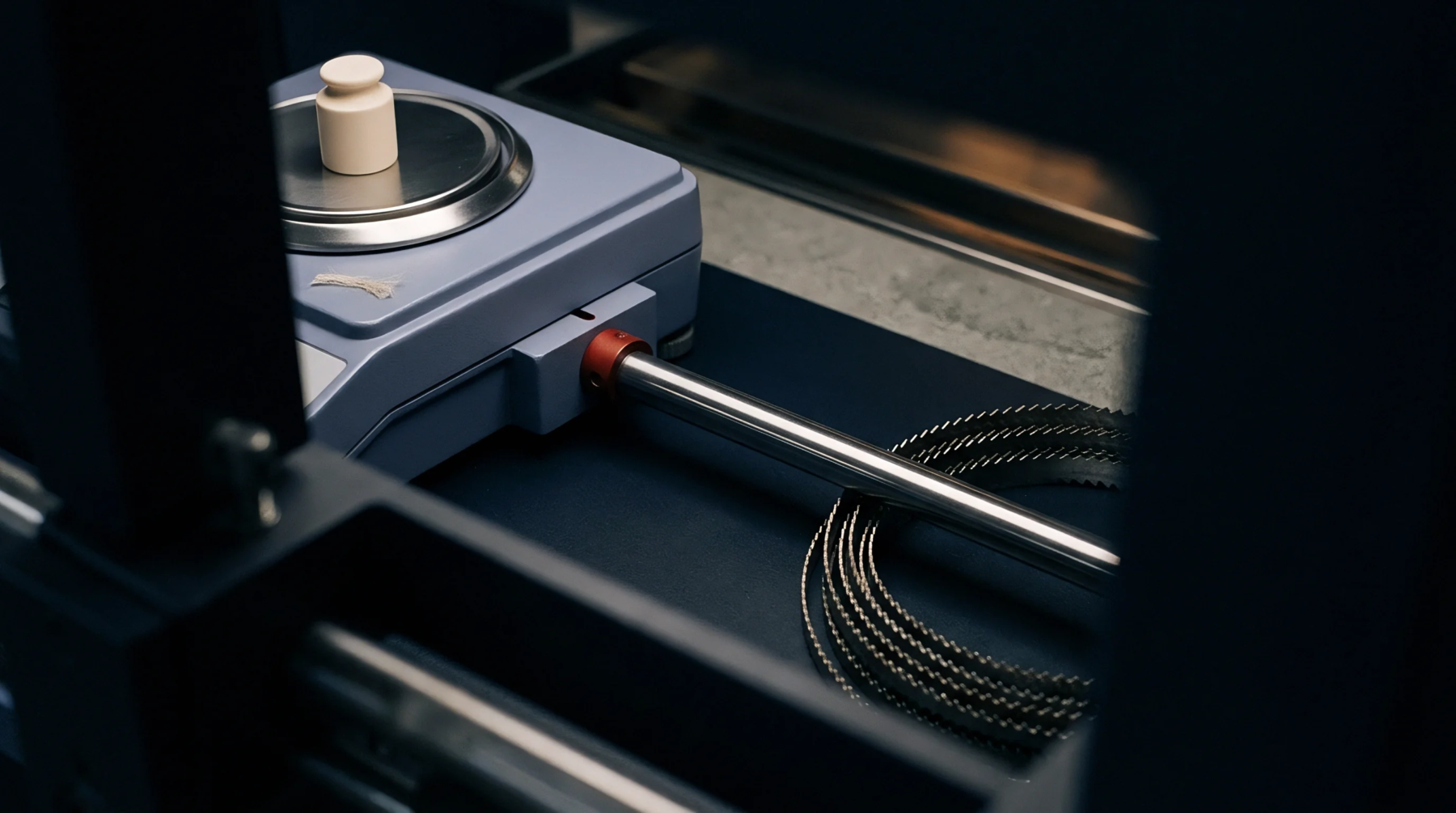
Fibre Sampling
Flax production involves a systematic extraction of central stem segments to determine the raw material density and moisture content before the spinning phase begins. The middle-cut method isolates a fixed length from the stalk section located between the root bulb and the upper branching points to ensure uniform quality grading. Technicians perform this extraction on representative samples from each bale delivered to the processing facility.
Measurements derived from these samples establish whether the harvest meets the baseline requirements for high quality yarn output. Variations in the stalk diameter or internal moisture level found within this specific segment trigger a reclassification of the entire lot during the sorting process. Accurate quantification of these characteristics prevents technical failure in the mechanical spinning machines.
Grade Classification
Standards for linen manufacturing rely upon these test results to assign numerical values to the raw flax input. The middle-cut method separates internal fibre quality from external contaminants or surface damage found near the root or tip. Inspectors record the fibre strength and fineness in the batch manifest to confirm consistency across the production line.
A single stalk segment provides sufficient data to extrapolate the potential tensile strength of the finished cloth without sacrificing the entire harvest volume. Mill operators use this information to adjust the settings on the combing equipment and the speed of the drafting frames. Discrepancies between the recorded laboratory grades and the actual performance during spinning indicate a deviation from the agreed procurement contract.
Internal quality systems differentiate these standardized results from the subjective assessments performed during the initial crop harvesting.
Compliance Verification
Buyers require confirmation that the material maintains structural integrity throughout the transformation from raw flax to export grade textile. The middle-cut method functions as a check against misrepresentation by the primary supplier during the initial procurement. Mills document the density of the cut segment alongside the measured debris content to build a verifiable chain of custody for the product.
Precise records prevent disputes during the final inspection of the woven linen sheets. Data collected through this procedure dictates the wholesale pricing structure for the shipment. The technique provides a reliable forecast of the final textile durability.