Extraction Ratio
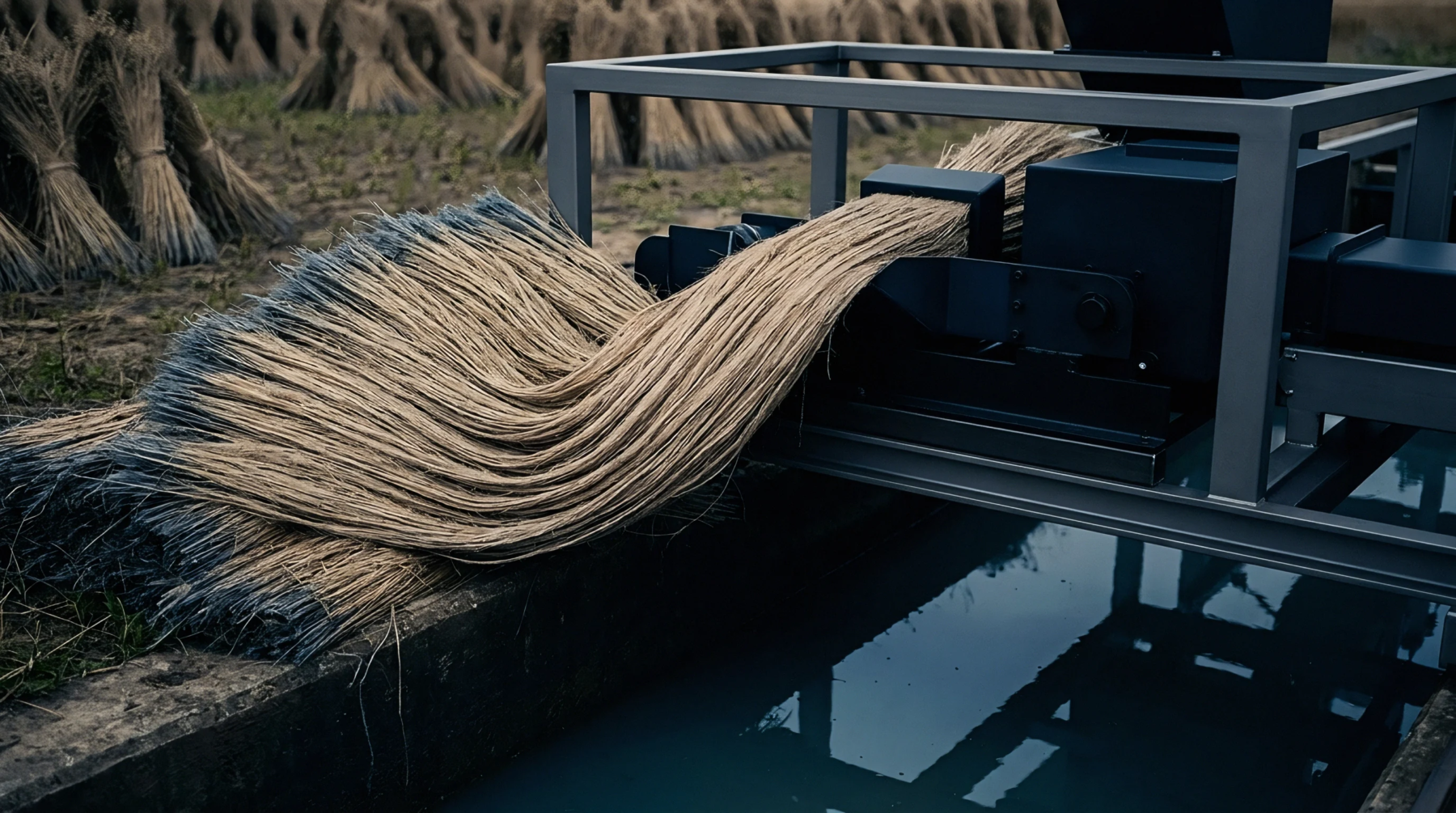
Raw flax stems contain a specific mass of bast fibre that separates from the woody core during the scutching process. Line fibre yield represents the proportion of long, high-quality parallelised strands recovered from the total input mass of retted and dried straw. Mills measure this output by weighing the cleaned line fibre against the dry weight of the processed stems.
This metric determines the financial return of a primary processing facility because longer fibres command higher market prices than short tow waste. Efficiency at this stage relies upon the mechanical setting of scutching blades and the uniform quality of the raw material supplied by local farmers.
Calculation Basis
Personnel verify the weight of incoming straw and the corresponding weight of outgoing line fibre to ensure commercial contracts align with actual production capacity. Calculations occur after the removal of shive and short tow to isolate only the usable long fibre strands. Production reports record the difference between these weights to establish the facility performance for specific batches.
Lower percentages indicate either poor retting quality or equipment damage during the scutching operation. Managers adjust machinery parameters to balance maximum recovery with the physical integrity of the individual strands.
Quality Threshold
Commercial agreements define acceptable recovery ranges based on the specific cultivar and crop season of the flax. Buyers establish these benchmarks to determine if a supplier delivers the expected value from the supplied raw material. Acceptance criteria often dictate that the recovery percentage remains within a set bracket to qualify for premium price tiers.
Sellers provide evidence of their historical recovery performance to justify pricing and long term supply commitments. Consistency in this measurement confirms that the processing plant operates effectively relative to the technical capabilities of the installed machinery.