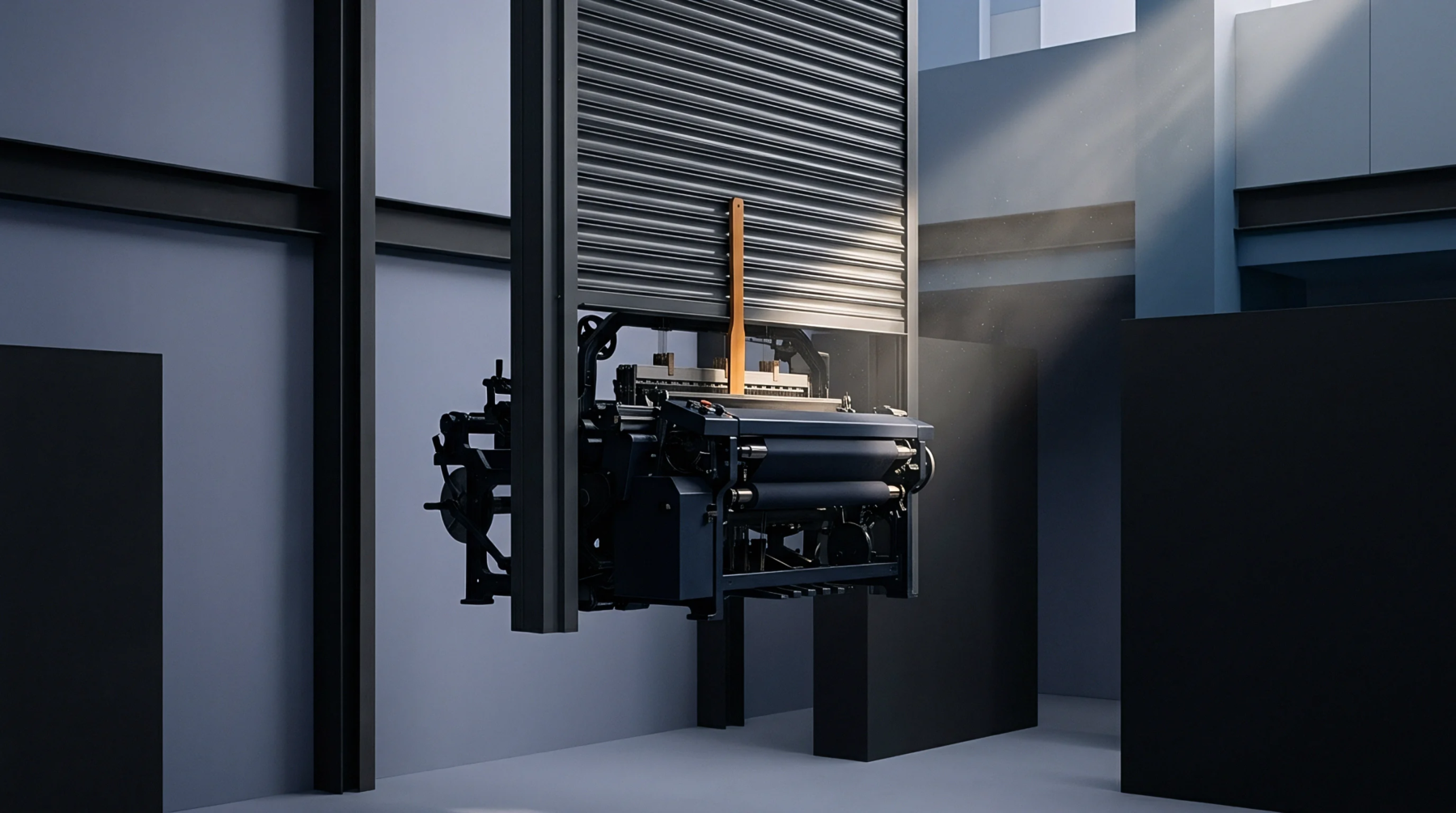
Regional Textile Operation
Regional industrial cluster in eastern China organizes the processing of imported and domestic flax fibers into high-grade woven yarns. Spinning mills operating under the jiangsu linen spinning network form a critical node in the global textile supply chain. This region benefits from integrated wet spinning infrastructure, water access, and technical expertise in yarn manufacture.
Close proximity to major weaving centers allows for rapid distribution of yarn to domestic and international markets.
Spinning Technology Standard
Modern wet spinning facilities in this region employ automated drafting systems and hot water treatment troughs to process long line flax and combed tow. The mills use high-speed automated winding machines to clear yarn defects and splice ends without knots. This advanced machinery allows the processing of fine yarn counts up to sixty lea with high efficiency.
Quality control laboratories within the mills check fiber length distribution and yarn strength at every shift. To maintain competitive output, the factories implement temperature and humidity control in their spinning halls to prevent fiber breakage during dry winter months. This technical discipline ensures that the spun yarns have the high uniformity required for automated high-speed rapier and air-jet looms.
Export Quality Benchmark
Finished yarns produced by these factories must meet the demanding quality standards of European and American textile importers. The packages are graded according to international norms for evenness, hairiness, and tensile strength. Buyers inspect these yarn packages for color consistency and core moisture to ensure trouble-free high-speed weaving.
Compliance with these stringent parameters maintains the region’s position as a primary supplier of premium linen yarns.