Resistance Value
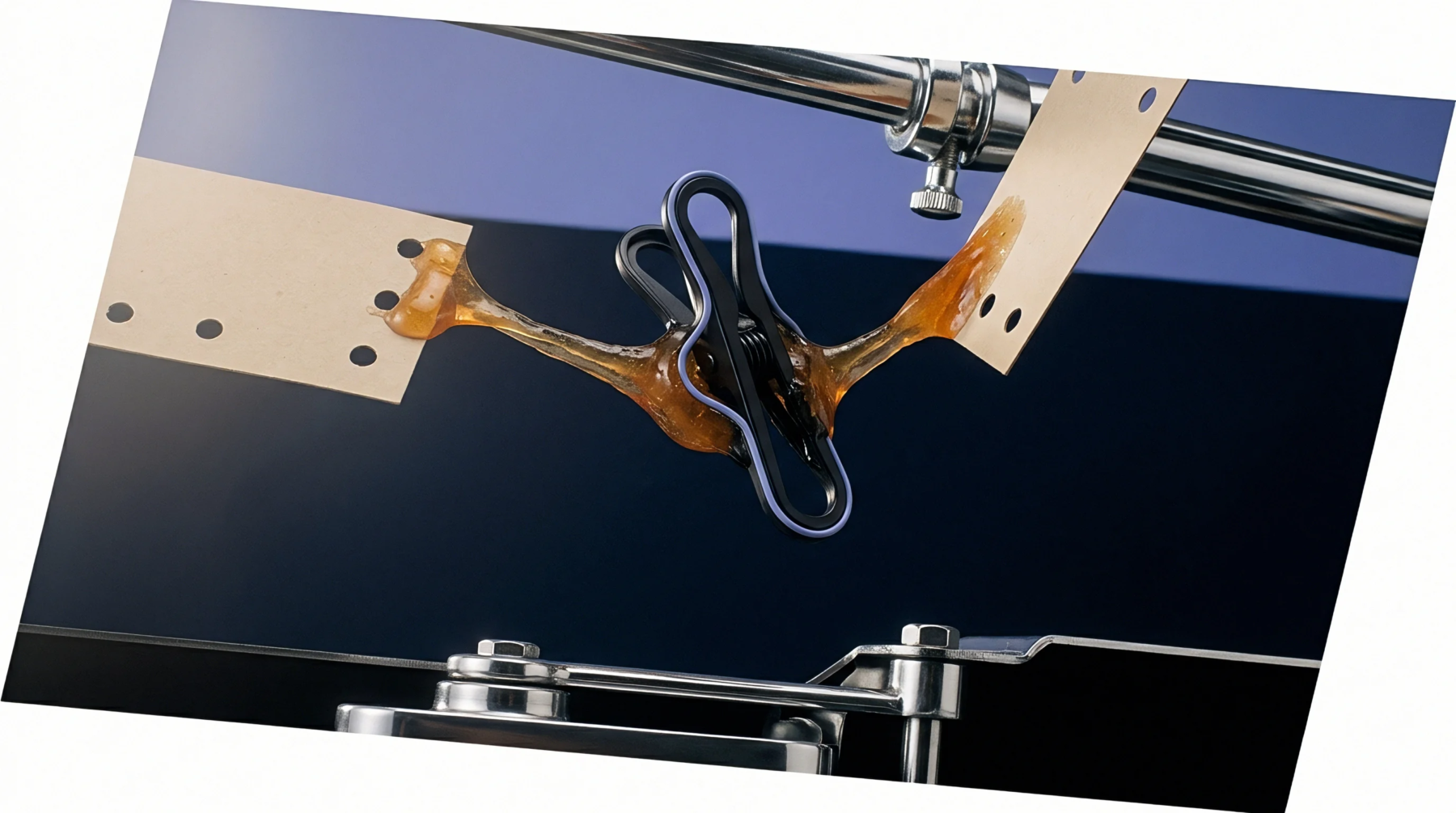
Resistance represents the measured opposition to movement between individual filaments during the mechanical drawing stage of linen production. Inter thread friction identifies the lateral force opposing the sliding motion of flax fibres within a bundle as they pass through spinning machinery. It remains specific to the raw material processing phase and excludes the later chemical finishing stages or finished cloth evaluation.
The measurement establishes a base line for mechanical draft stability, as inconsistent levels cause breakage or uneven density in the output. This metric acts as a primary control parameter for spinning mills when selecting flax crop sources to match machine draft settings.
Physical Drag
The calculation relies on the drag force measured during the drafting of roving on a spinner. Inter thread friction occurs when the physical roughness of the flax bark residue interferes with the smooth transition of fibres across one another. Lubrication levels and moisture content alter this property during the drawing process.
Mills record this data on a lot control sheet to monitor the consistency of each bale delivered to the factory floor. A fibre grade assessment considers this property when determining the suitability of a harvest for fine counts versus coarser heavy yarns. The internal mill standard requires a minimum hold for structural integrity, yet excessive drag prevents the proper parallel arrangement of long flax line fibres.
Buyer acceptance criteria define the upper limit to prevent yarn snapping under tension.
Spinning Influence
Spinning machinery relies on the stability of these internal forces to regulate the velocity of fibre transit. Inter thread friction determines the tension profile of the drafting zone where machine settings convert roving into yarn. Uniformity in this measurement allows for predictable yarn diameter and reduces the frequency of mechanical adjustments during high speed production.
Disparities in raw material quality force frequent recalibrations of the drafting rollers to account for changing drag resistance. A high coefficient of internal resistance correlates directly with the structural density of the final yarn.