Resistance Metric
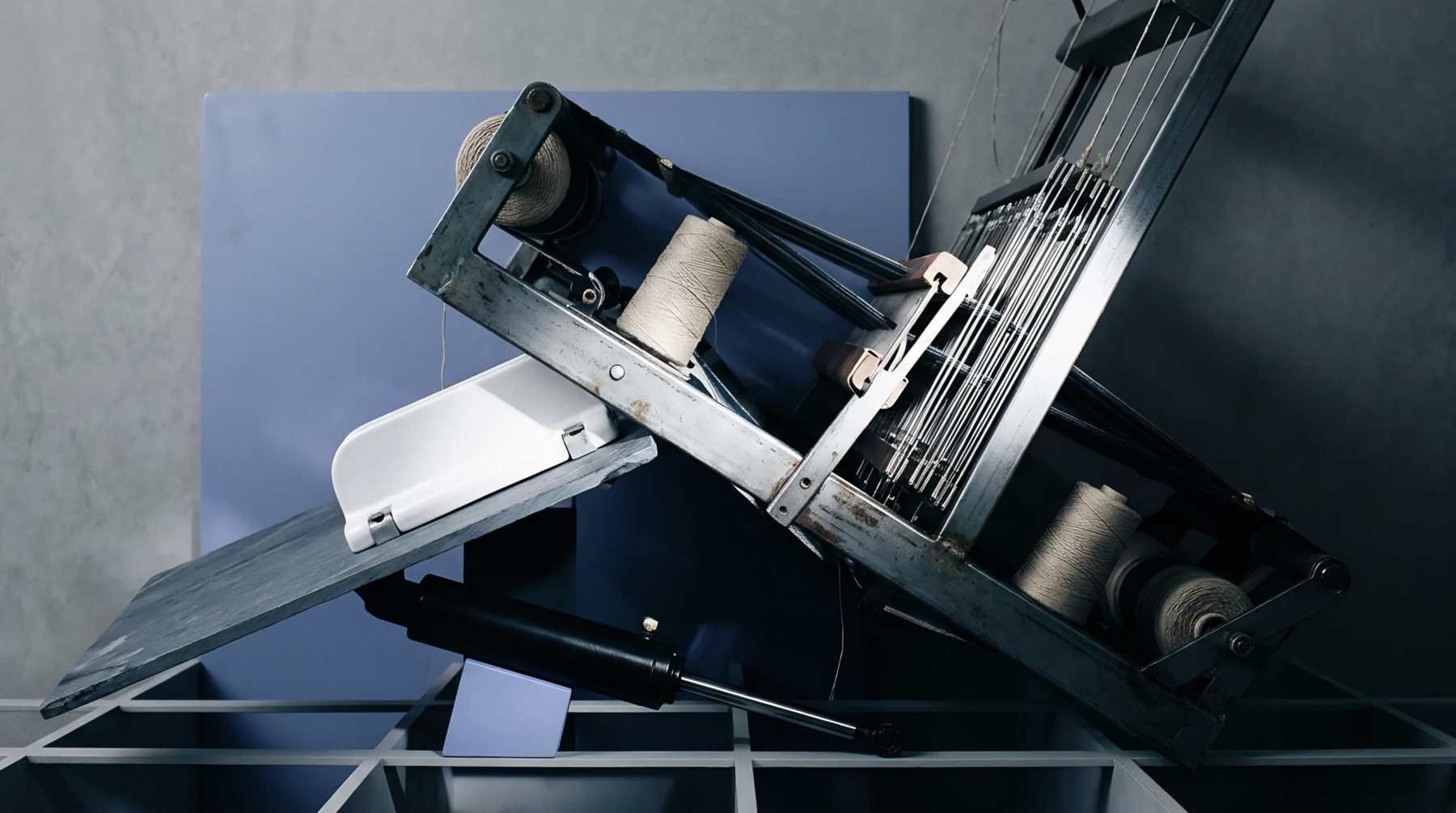
Physical interaction between the wire loop and the moving warp yarn defines heddle friction during the weaving cycle. Mechanical stress develops as the yarn passes through the eye of the heddle, causing surface wear and potential breakage. Textile manufacturers monitor this degradation to predict the remaining operational life of the harness frame.
High levels of resistance indicate improper tension or abrasive fibre coatings that necessitate recalibration of the loom settings.
Operational Variance
Variations in the contact angle between the yarn and the metal eye influence the total drag force recorded by sensors on the loom. Heavy flax yarns exert higher pressure against the heddle eye than lighter compositions, leading to localized heating and accumulation of debris. Engineers calculate the expected drag for specific yarn counts and compare observed output against these targets.
Deviations from the baseline suggest misalignment of the shafts or excessive speed that exceeds the protective capacity of the heddle material.
Quality Standard
Specifications for surface finish and eye geometry represent the primary defense against excessive abrasion during high speed production. Mills mandate smooth coatings to minimize the coefficient of drag between the steel wire and the passing fibre. Inspection protocols for finished cloth include an analysis of warp density to identify uneven tension patterns caused by inconsistent resistance.
Defective harness components produce uneven fabric texture and reduced tensile strength in the final exported rolls. Proper maintenance of these components ensures consistent physical properties across the entire width of the loom.