Strength Metric
Tensile properties of textile fibers represent the maximum stress the material can withstand before structural failure occurs. In the linen industry, flax tenacity is the ratio of the breaking force to the linear density of the fiber bundle or yarn.
Fiber Quality
Variations in growing conditions and retting methods directly impact the measured levels of this property. Flax tenacity is often higher in fibers that have been retted under controlled conditions that preserve the cellulose integrity. When the tenacity falls below the mill’s minimum threshold, the material is diverted to lower grade applications.
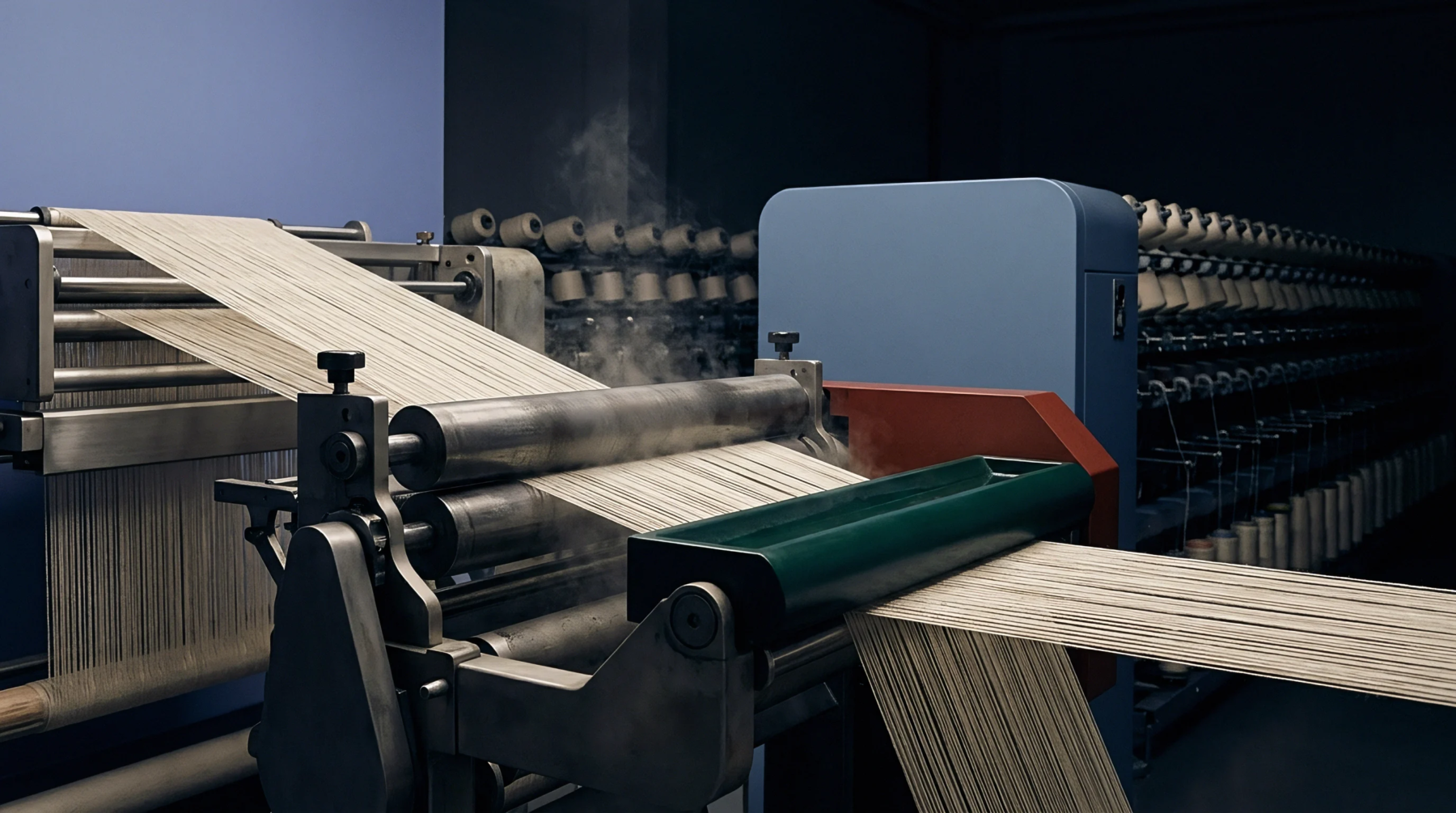
Spinning mills use these measurements to predict the ultimate strength of the finished linen thread.
Testing Standard
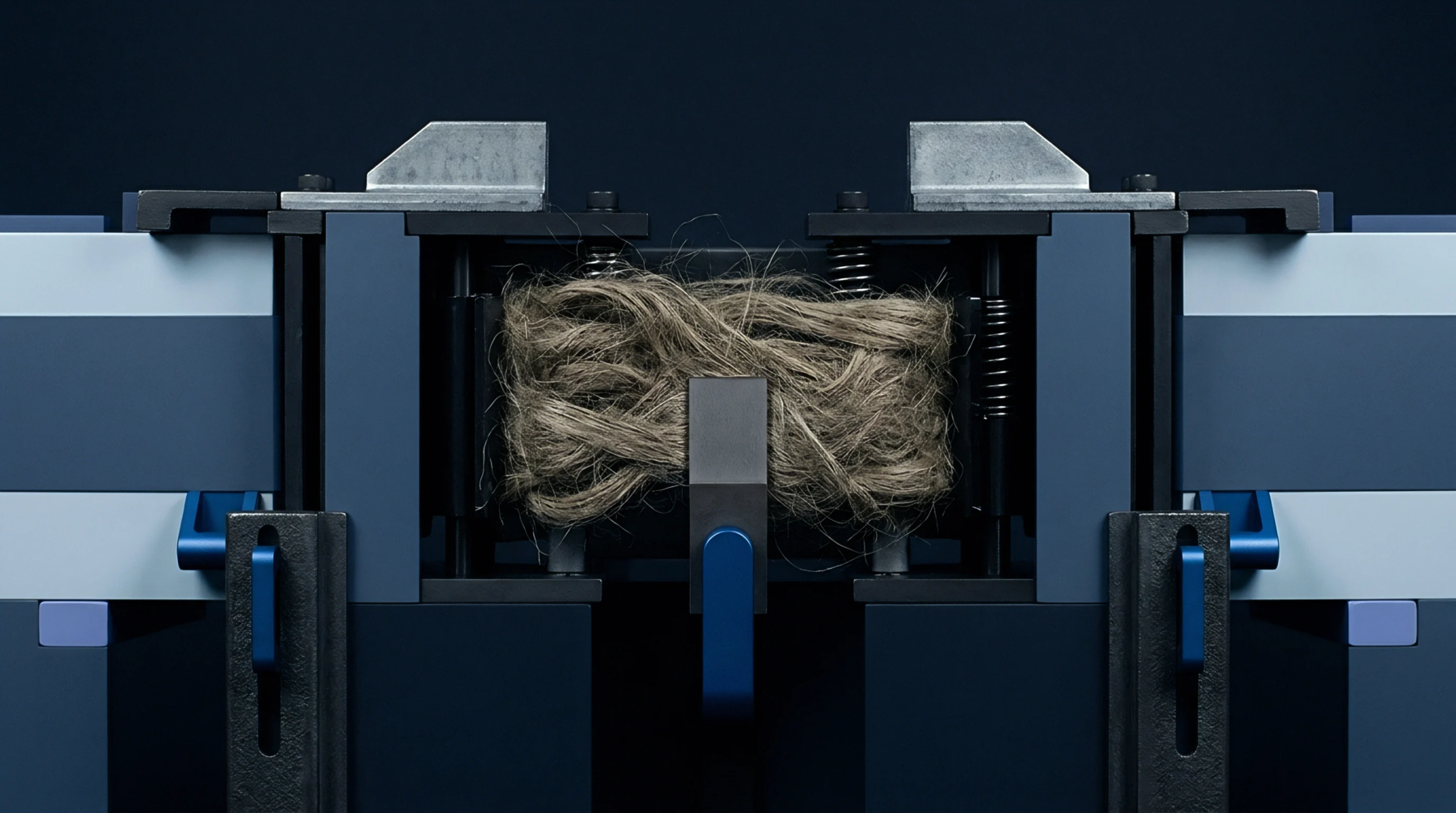
Laboratory testing for this property uses standardized equipment like the Stelometer or electronic tensile testers. The flax tenacity must be measured at a specific moisture content and temperature to ensure repeatable results. Results are recorded in the quality certificate that accompanies each shipment of fiber to the spinning mill.
This data is the basis for price negotiations and quality grading in the international market, defining the economic value of the raw material based on its physical performance and the likely efficiency of the subsequent spinning process.