Thread Dimensionality
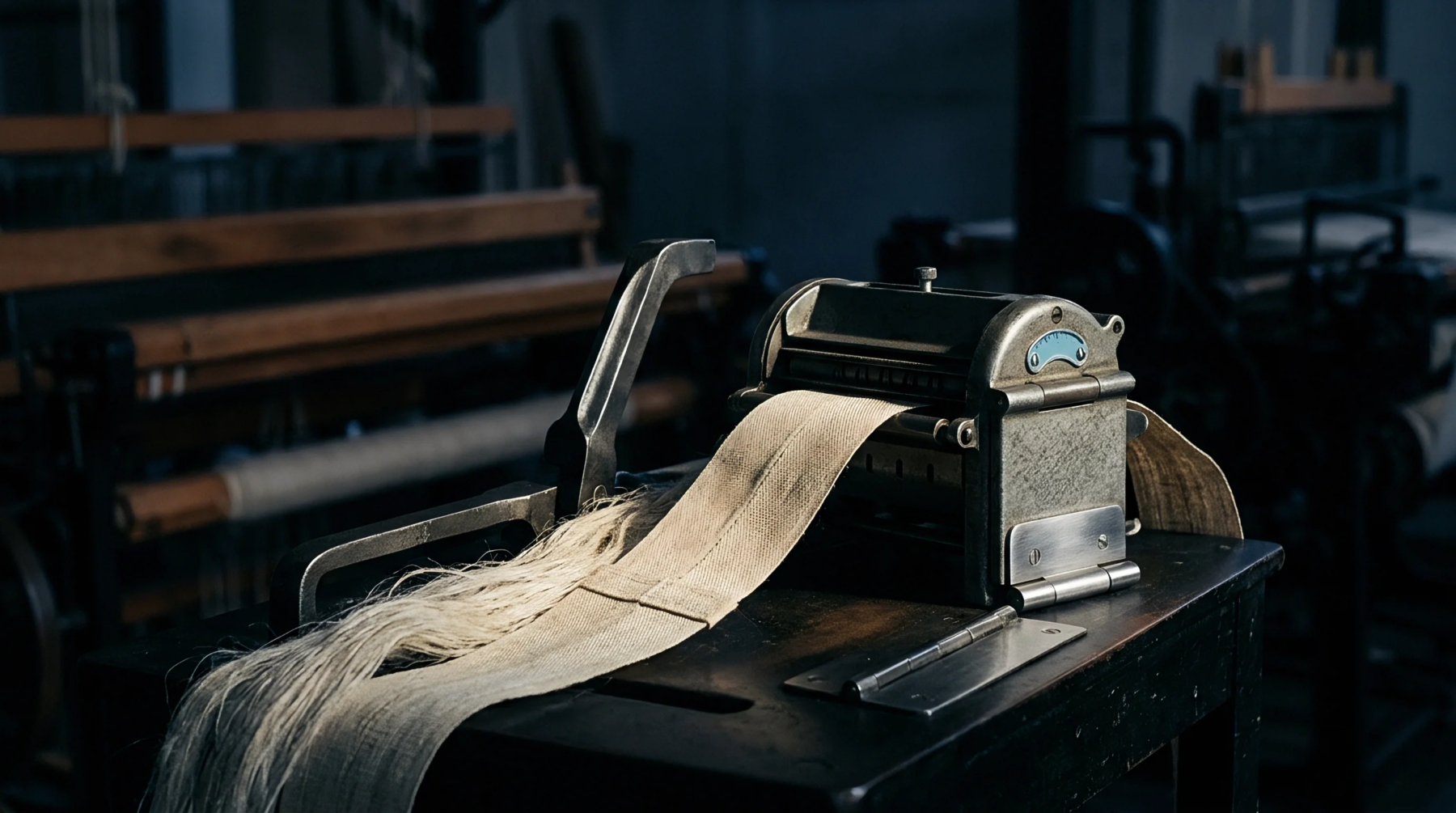
Technical specifications for fabric construction define the intersection of warp and weft density during the conversion of yarn into cloth. Fine count linen weaving denotes the production of textiles utilizing yarn metric numbers exceeding 40 Nm where the increased strand delicacy necessitates specialized loom settings and humidity controls to minimize breakage. Such production occurs primarily within high capacity mills that monitor moisture levels in the air to maintain fibre elasticity during the mechanical shedding process.
Mills record the resulting yarn density against the requirements of the purchase order to determine whether the final textile meets the contracted weight and opacity benchmarks.
Production Constraints
Machinery requires precise tension regulation to accommodate the limited structural integrity of thin flax strands. Lowering the speed of the loom reduces the frequency of warp snap which otherwise interrupts the consistency of the cloth surface. Operators adjust the shedding angle to provide maximum clearance for the shuttle movement.
These technical adjustments prevent the accumulation of knots within the fabric face. Proper mechanical calibration during this stage determines the difference between a high performance product and a substandard material rejected during quality control.
Acceptance Criteria
Inspection protocols for finished goods distinguish between mill internal quality control and client provided specifications. Fabric grades depend on the absence of irregular slubs and consistent thread alignment across the entire width of the bolt. Buyers evaluate the density against the initial technical brief by measuring picks per centimeter under controlled light.
Achieving uniformity in a high density construction indicates successful management of the mechanical stresses applied to the yarn throughout the manufacturing cycle.