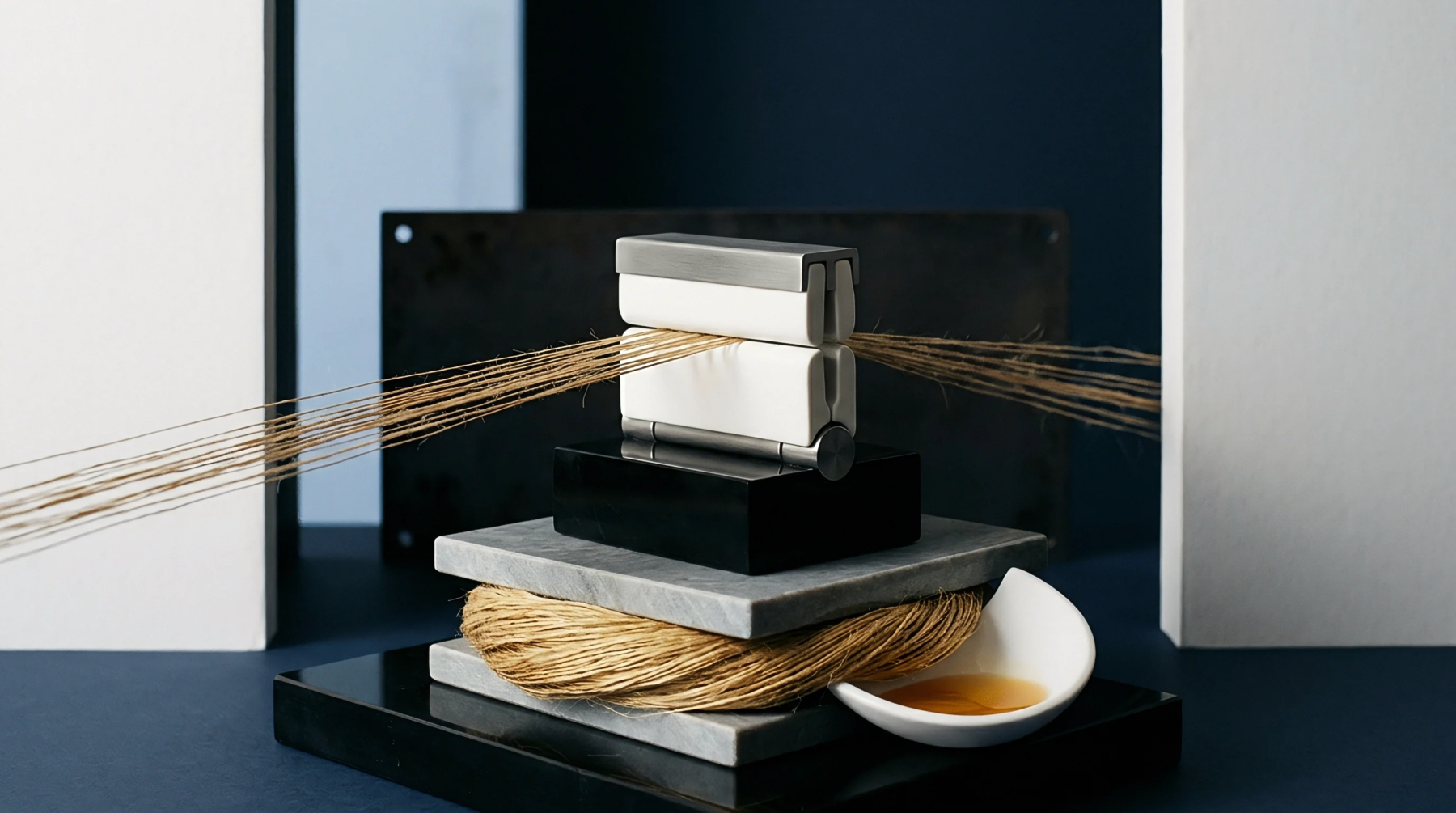
Drafting Defect
Mechanical failure of cohesive friction between parallel flax fibres during the drawing process leads to uneven yarn thickness. When fiber bundle slippage occurs, the roving is drawn too quickly through the drafting rollers without receiving the correct amount of draft. This defect creates thick and thin places in the final yarn, which reduces its tensile strength.
Spinning mills measure this slippage by monitoring tension fluctuations on the ring spinning frame.
Friction Control
Correct moisture levels during the preparation of flax roving can prevent drawing irregularities. Spinning mills that run fiber bundle slippage trials often adjust the draft limit on their gill boxes to maintain tension. Adjustments to the draft limit are combined with precise humidity control in the drawing room to stabilize fibre movement.
If the roving is too dry, fibres slide past each other instead of drawing out in a controlled sequence. Chemical softeners are sometimes applied during the wet preparation stage to increase fibre to fibre friction.
Weaving Consequence
Uneven yarn caused by drafting failures breaks easily under the high tensions of automated looms. This spinning defect lowers the efficiency of the weaving shed and creates visible flaws in the finished linen fabric. Consistently high yarn strength is necessary for producing high grade linen that meets international export standards.