Fluid Variable
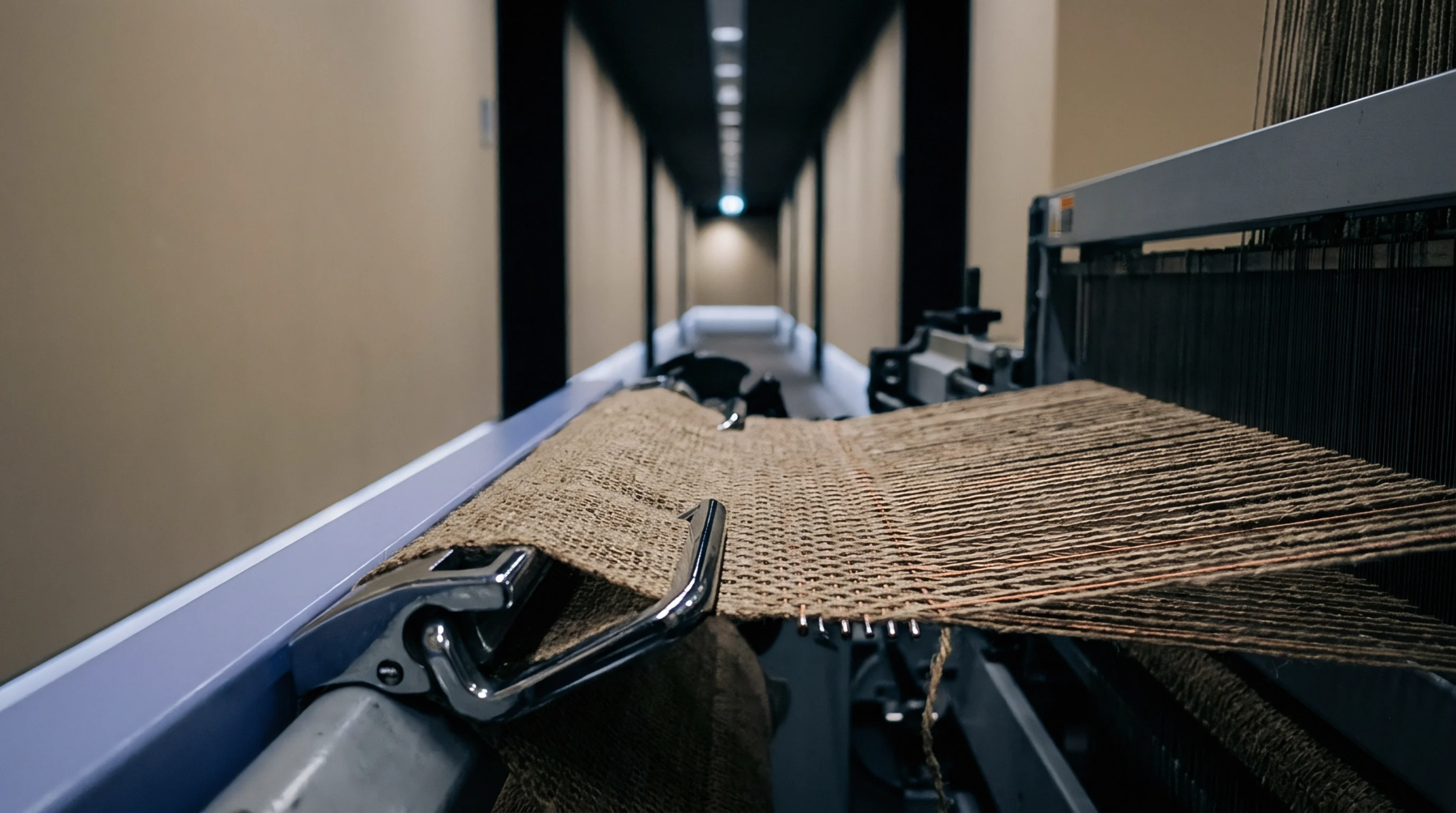
Pneumatic forces drive the transport of yarn through the insertion zone of modern looms. Dynamic pressure gradients describe the rapid changes in air pressure along the length of the main and relay nozzles in an air-jet weaving machine. These fluctuations create the necessary drag to pull the linen weft across the wide loom bed at high speeds.
Yarn Transport
The effectiveness of the air-jet system depends on the stability of the dynamic pressure gradients within the shed. Flax yarn requires precise pressure control because its irregular surface and higher mass compared to cotton create different aerodynamic profiles. Engineers adjust the timing and intensity of the air pulses to ensure the yarn reaches the receiving side without buckling or looping.
Maintaining these levels prevents yarn damage during the high-speed insertion cycle.
Nozzle Configuration
Placement of the relay nozzles is determined by the decay rate of the dynamic pressure gradients across the fabric width. Shorter intervals between nozzles maintain a more consistent force on the yarn tip. This configuration reduces air consumption while preventing the yarn from falling out of the air stream during the insertion phase.
Precise nozzle alignment is essential for the reliable transport of heavy bast fibers.