Mechanical Irregularity
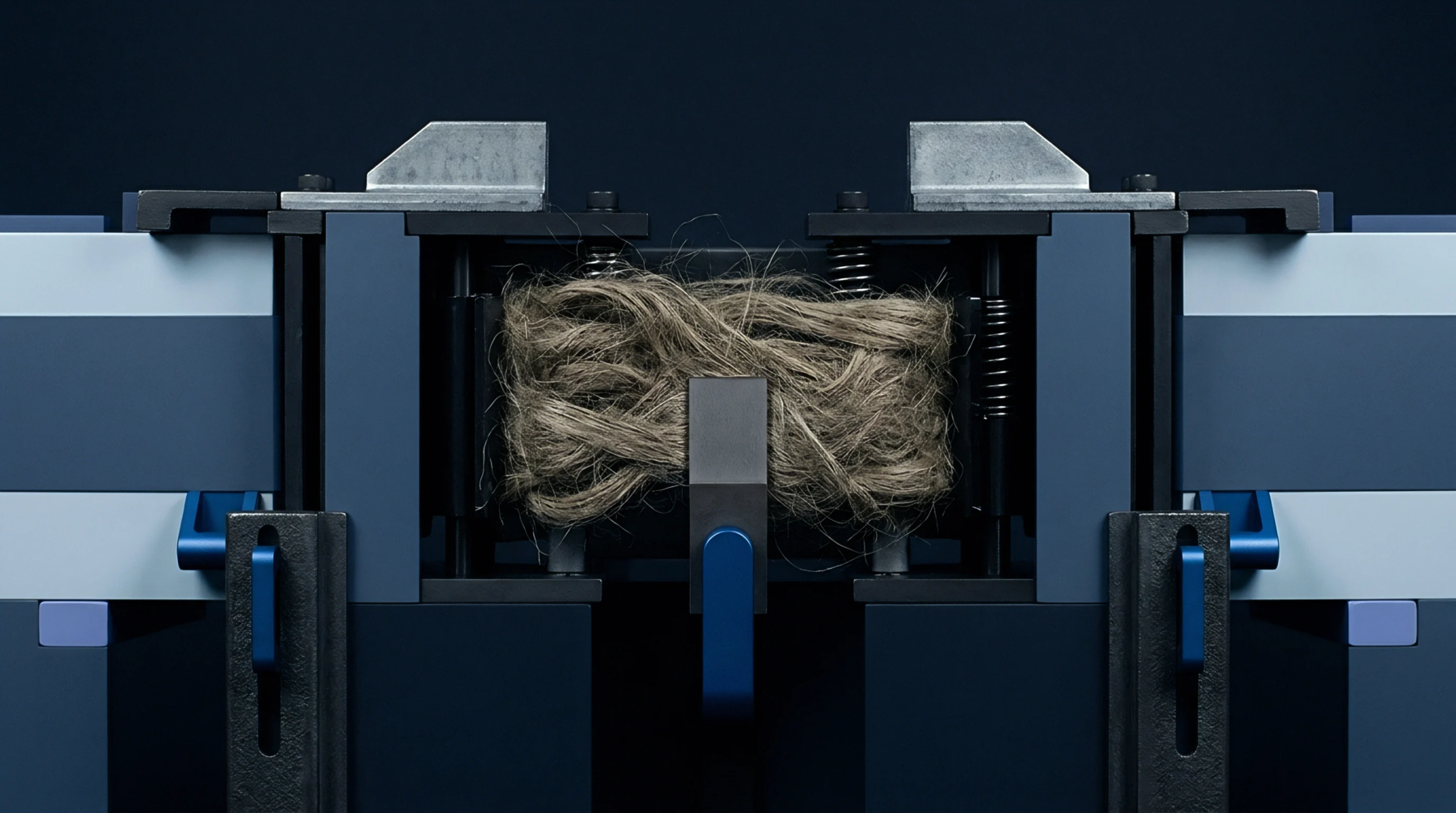
Tension fluctuations during the attenuation of flax slivers represent a measurable instability in the spinning process. High draft force variance indicates inconsistent resistance between fibers as they slide past one another within the drafting zone. This phenomenon often stems from uneven distribution of pectin residues or variations in moisture content among the bundles.
Proper control of these forces ensures that the resulting yarn maintains a uniform diameter.
Spinning Impact
Instability during the drafting stage leads to the formation of thin places and thick spots in the final linen thread. When draft force variance exceeds established mill thresholds, the drafting rollers may slip or grip unevenly, causing sudden surges in fiber flow. Sensors mounted on the drafting frame record these fluctuations to provide a real-time assessment of sliver quality.
Correcting the pressure settings on the top rollers or adjusting the lubricant application can mitigate these spikes. Stable forces are required for high-speed production.
Quality Threshold
Laboratory testing at the draw frame identifies the upper limit of permissible force deviation for specific flax grades. A low draft force variance is associated with superior fiber parallelism and reduced end-breakage rates during ring spinning. Mills monitor this metric to determine if a batch of raw material requires further conditioning or a slower processing speed.