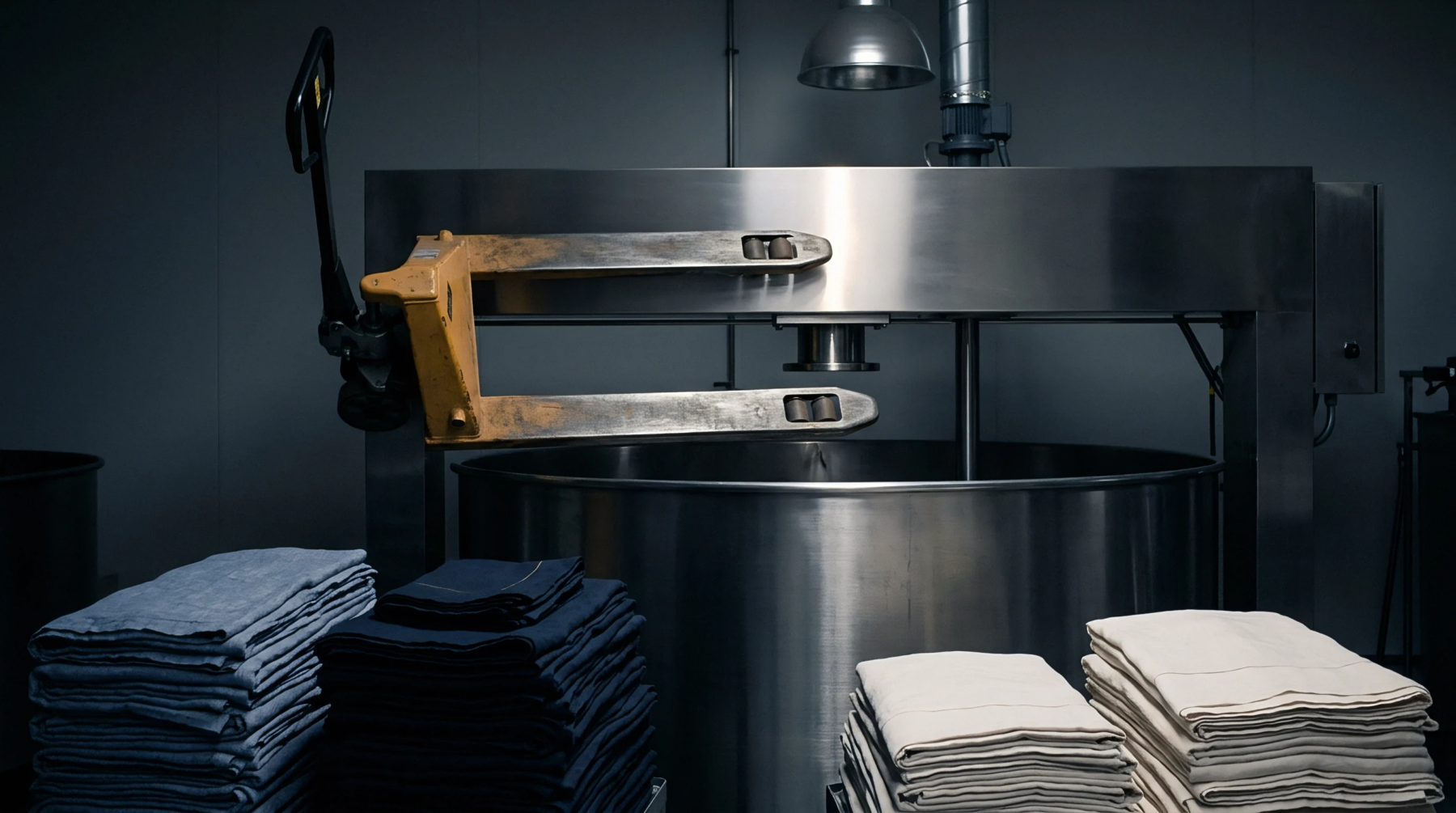
Fabric Production
Industrial output is measured against the capacity of looms to produce cloth without interruption. Utilizing continuous web weaving allows a mill to produce vast quantities of linen fabric for industrial and home use. The process continues as long as the yarn supply is maintained on the creels and beams.
It ends only when the desired roll length is reached or a mechanical stop occurs.
Mechanical Efficiency
High-speed looms equipped with projectile or rapier systems maximize the output of flax textiles. Implementing continuous web weaving reduces the downtime associated with manual loom setups. Sensors monitor the tension of the linen yarns to prevent breakage during the high-velocity movements of the machine.
The speed of the process is measured by the number of meters produced per shift. Modern mills use these systems to maintain a constant flow of material through the finishing department.
Uniformity Maintenance
Consistency across the entire length of the roll is the primary goal of this manufacturing method. During continuous web weaving, the mill must ensure that the density of the picks remains constant from the beginning to the end of the run. Variations in yarn thickness or humidity can affect the final appearance of the linen.
Frequent inspections during the run help catch defects before they occupy a large portion of the web.