Alkaline Preparation
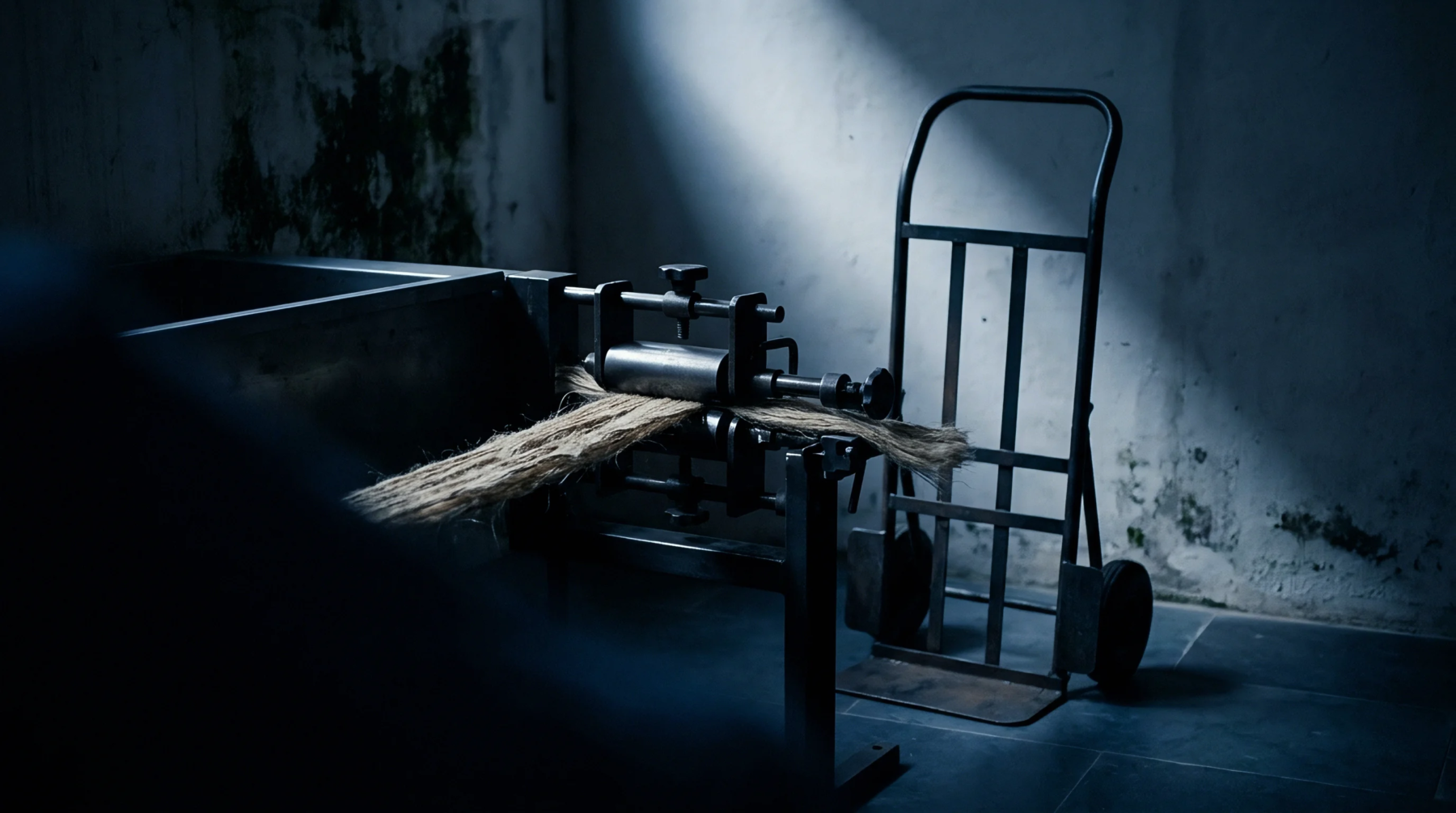
Wet processing equipment removes natural waxes and residual pectins from woven flax fabrics without folding or creasing the textile web. Industrial flax processing relies on continuous open-width scouring to deliver uniform chemical exposure before bleaching or dyeing operations. The fabric moves through heated sodium hydroxide baths at constant speed while tight strands prevent rope-mark creasing along stiff flax bast fibres.
Processing parameters mandate bath temperatures between ninety and ninety-five degrees Celsius alongside controlled alkali concentrations.
Fluid Dynamics
Chemical liquor penetration depends on mechanical liquor circulation and precise web tension management across consecutive washing boxes. High-velocity liquor spray jets break down hydrophobic outer wax layers, forcing chemical reagents into the core of dense bast fibre bundles. Tension rollers prevent selvedge curling, which otherwise leads to non-uniform alkali distribution and localized grey spots.
Steam chambers extend chemical reaction time while holding moisture levels stable across the fabric width. Submerged squeeze nip rollers remove spent chemical solution between stages to maximize chemical exchange efficiency.
Impurity Removal
Insufficient residence time or degraded alkali strength leaves unremoved waxes inside the fibre lumen. Higher residual wax levels reduce fabric absorbency, impairing downstream dye uptake and producing blotchy colouration in exported linen rolls. Verification of continuous open-width scouring effectiveness requires absorbency testing under standardized drop absorption protocols.