Fibre Length Distribution
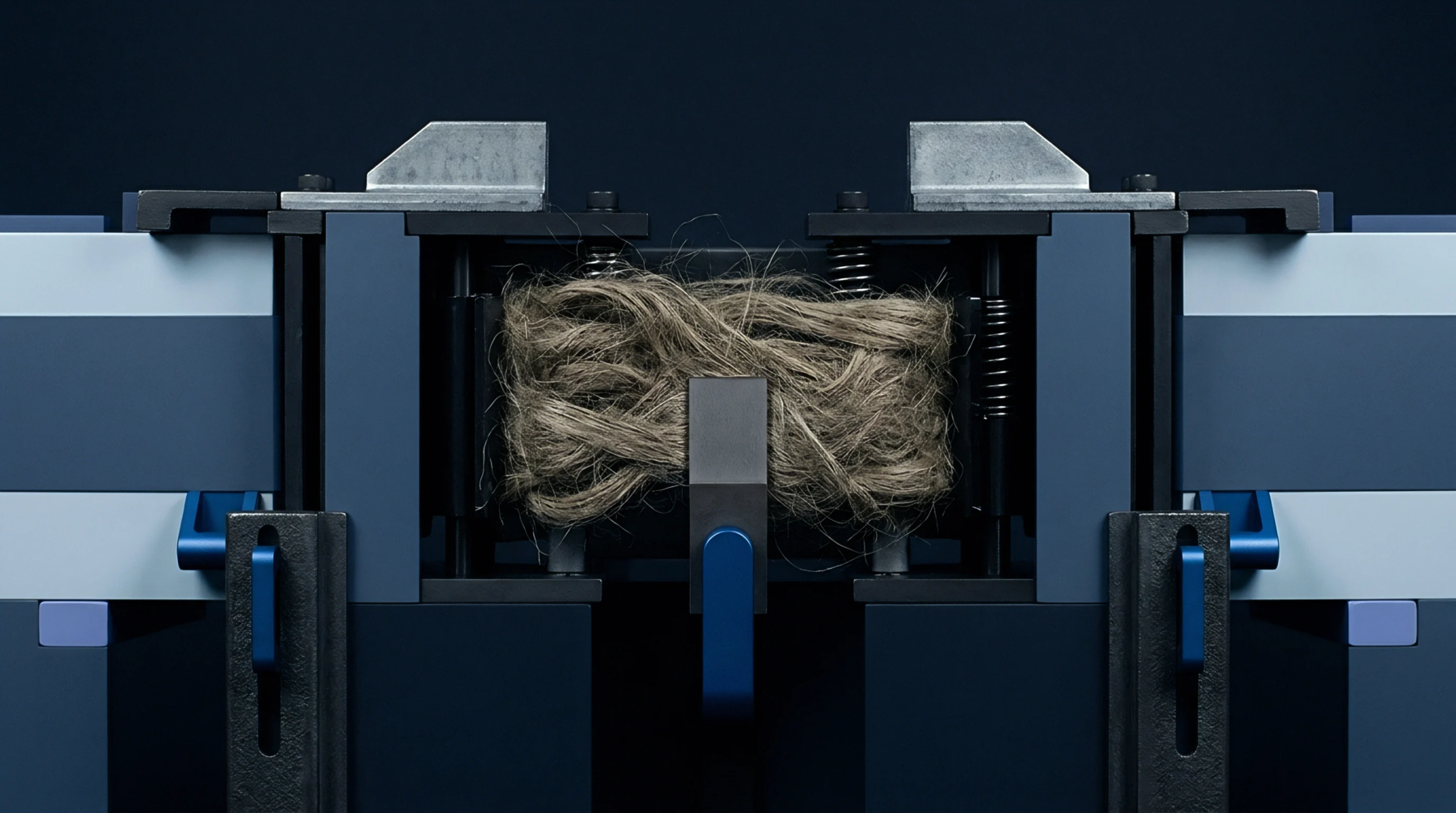
The measurement process identifies the relative weight of distinct lengths within a flax sample by separating them across a graduated set of metal needles. Comb sorter analysis quantifies the proportion of long fibres in a batch to allow for the prediction of subsequent yarn strength. This method divides raw material into discrete length groups to determine the homogeneity of a particular lot.
Sorting begins when a technician positions a tuft of flax in the clamp to ensure even alignment against the comb pins. Mechanical transfer of these segments allows for the precise weighing of every group on a laboratory balance. These weights establish the frequency of length intervals used to calculate the mean value and the coefficient of variation.
Such metrics define the limits of the spinning potential for the specific fibre source.
Mill Processing Control
A mill technician monitors the output of this procedure to adjust the tension settings on the drafting frames. Flax fibres exceeding defined length benchmarks dictate the roller spacing required for smooth sliver formation during the drawing stage. Insufficient fibre length creates excessive waste during the combing process and reduces the count of the final yarn.
Correct calibration of these drafting zones relies on the data provided by the sorter to prevent broken filaments. Production teams compare the results from incoming batches against the specifications listed on the bill of lading for supplier consistency. Variance in the spread of lengths signals a need for modifications to the hackling equipment.
Quality Verification Standard
The final assessment validates the material quality against the purchase contract before the yarn moves to the weaving floor. Buyers demand specific length distributions to guarantee consistent fabric texture after finishing. Discrepancies between the mill grade and the buyer criteria trigger a rejection of the raw material shipment.
Standardized data from the comb sorter provides the technical proof required for insurance claims or invoice adjustments. Precise sorting remains the primary method for maintaining the structural integrity of high-grade linen cloth.