Fiber Physiology
Intracellular water held within the primary and secondary cellulose layers determines the physical elasticity of raw flax. This bound cell wall moisture influences how the fiber responds to mechanical pulling and drafting during the initial combing phase. It represents the moisture that cannot be removed by simple ambient air circulation alone.
Processing Influence
Excessive dryness in the inner fiber structure makes the flax brittle and prone to shattering during high-speed spinning. Managing the cell wall moisture requires precise conditioning of the roving packages in high-humidity holding areas prior to the wet spinning process. When the cellulose structure retains its natural plasticity, the spinning nozzles can draw the yarn to a much higher fineness without causing split ends or surface hairiness.
The wet spinning bath uses hot water to soften the natural pectins, but this mechanism relies on the pre-existing moisture within the fiber walls to distribute heat evenly.
Testing Standard
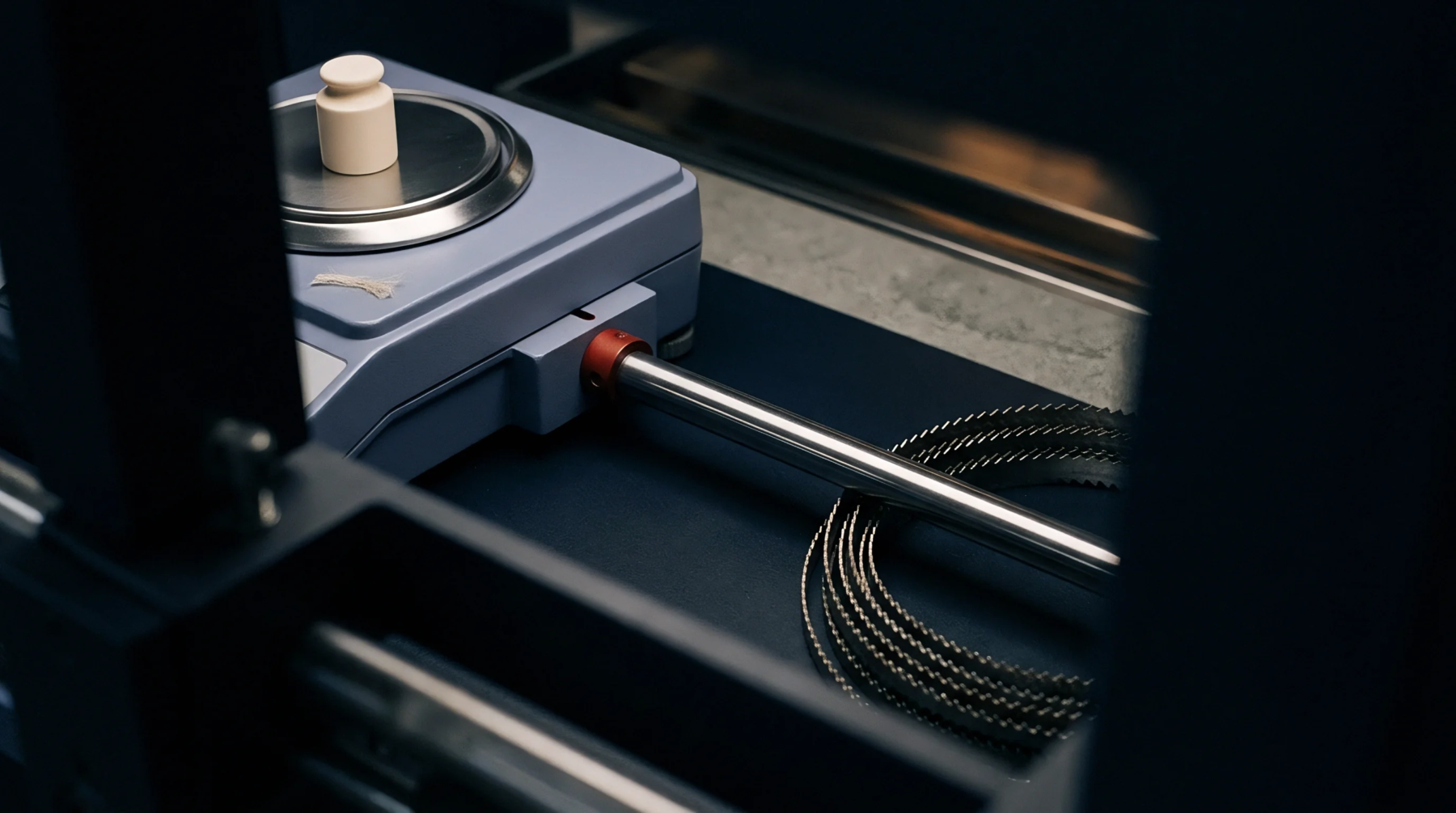
Oven drying methods establish the dry baseline mass of the flax sample. Standard procedures for determining cell wall moisture require heating the material to a constant temperature of one hundred and five degrees Celsius. The resulting weight loss is calculated as a percentage of the dry mass.