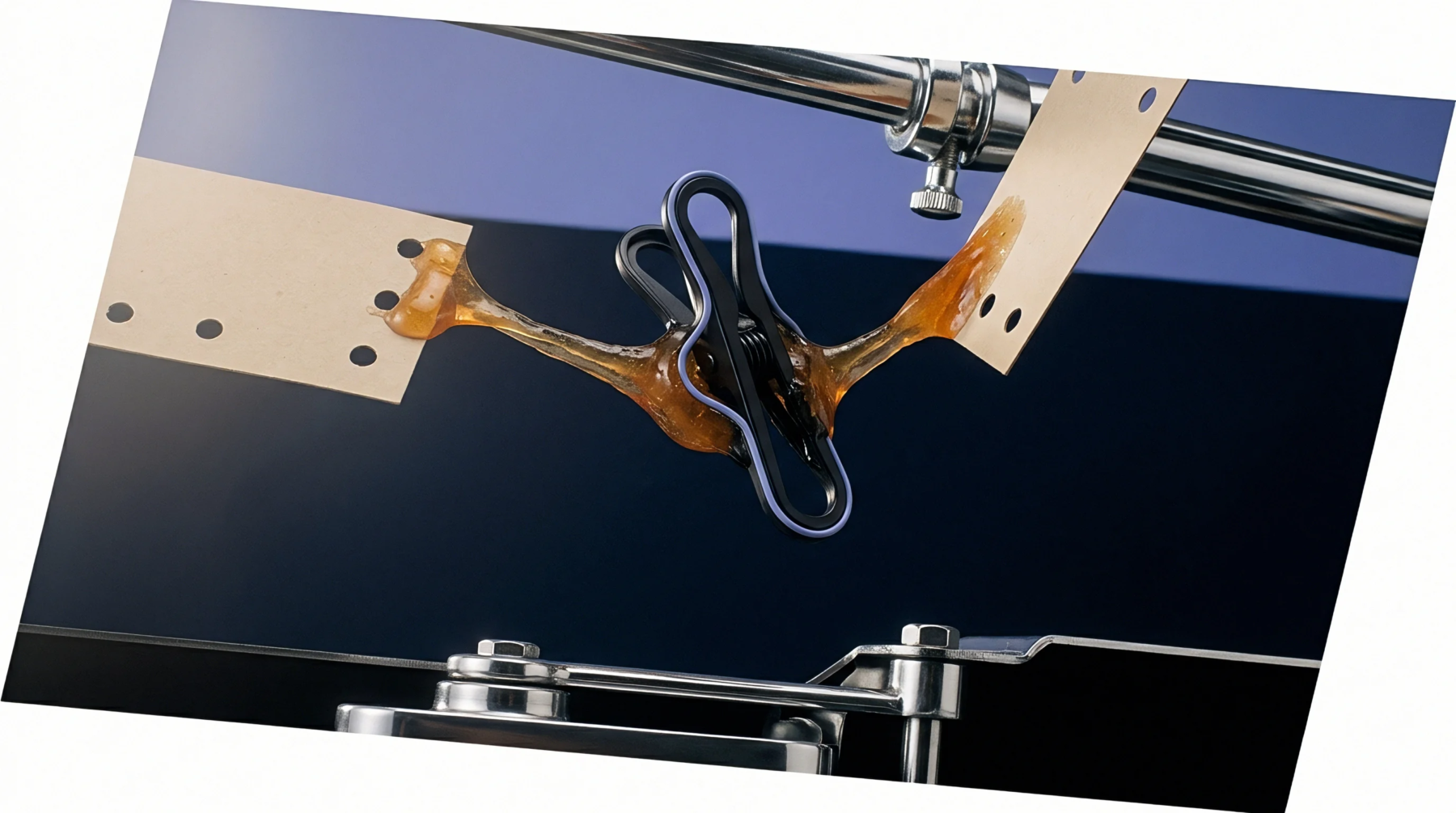
Tensile Stress
Mechanical resistance under axial load characterizes the internal strength of vegetable filaments during spinning preparation in Chinese textile mills. Bast fiber tenacity governs the ultimate breaking load of hackled flax strands before drawing frames twist them into rovings. Industrial engineers record this breaking force on quality control sheets during raw material intake testing.
Factory inspectors distinguish individual fibre bundle tenacity from finished yarn breaking length because preparation processes alter structural integrity. Mill acceptance criteria demand higher breaking loads than internal processing standards to prevent yarn breakage during high-speed ring spinning.
Load Threshold
Applied tension determines whether hackled flax strands stretch elastically or suffer permanent structural failure on drafting machinery. Pulling forces must remain below the rupture point during roving production to avoid filament breakage and subsequent unevenness in yarn formation. Technical specifications outline exact force limits for each grade of retted flax sourced from northern agricultural provinces.
Chinese spinning mills reject raw material batches falling beneath the mandatory breaking threshold during routine laboratory dynamometer checks.
Rupture Index
Measured breaking tenacity dictates export classifications for finished linen cloth leaving domestic production facilities. Buyers evaluate mechanical strength parameters against international standards before signing bills of lading for maritime transport. Laboratory technicians calculate specific stress values by dividing maximum load by linear density to establish commercial grade designations.
Final export documentation certifies that woven linen fabrics meet specified tensile parameters required by overseas apparel manufacturers.