Microscopic Identification
Analytical laboratory methods distinguish stem-derived vegetable fibers based on cross-sectional shape, lumen dimensions, and helical fibrillar angles under polarized light microscopy. Fiber testing facilities apply bast fiber differentiation to separate flax from hemp, ramie, and jute in raw or spun yarn samples. The process measures cell wall thickness and cross-marking nodes across raw fiber bundles.
Application ceases when chemical bleaching completely degrades cell morphology.
Analytical Protocol
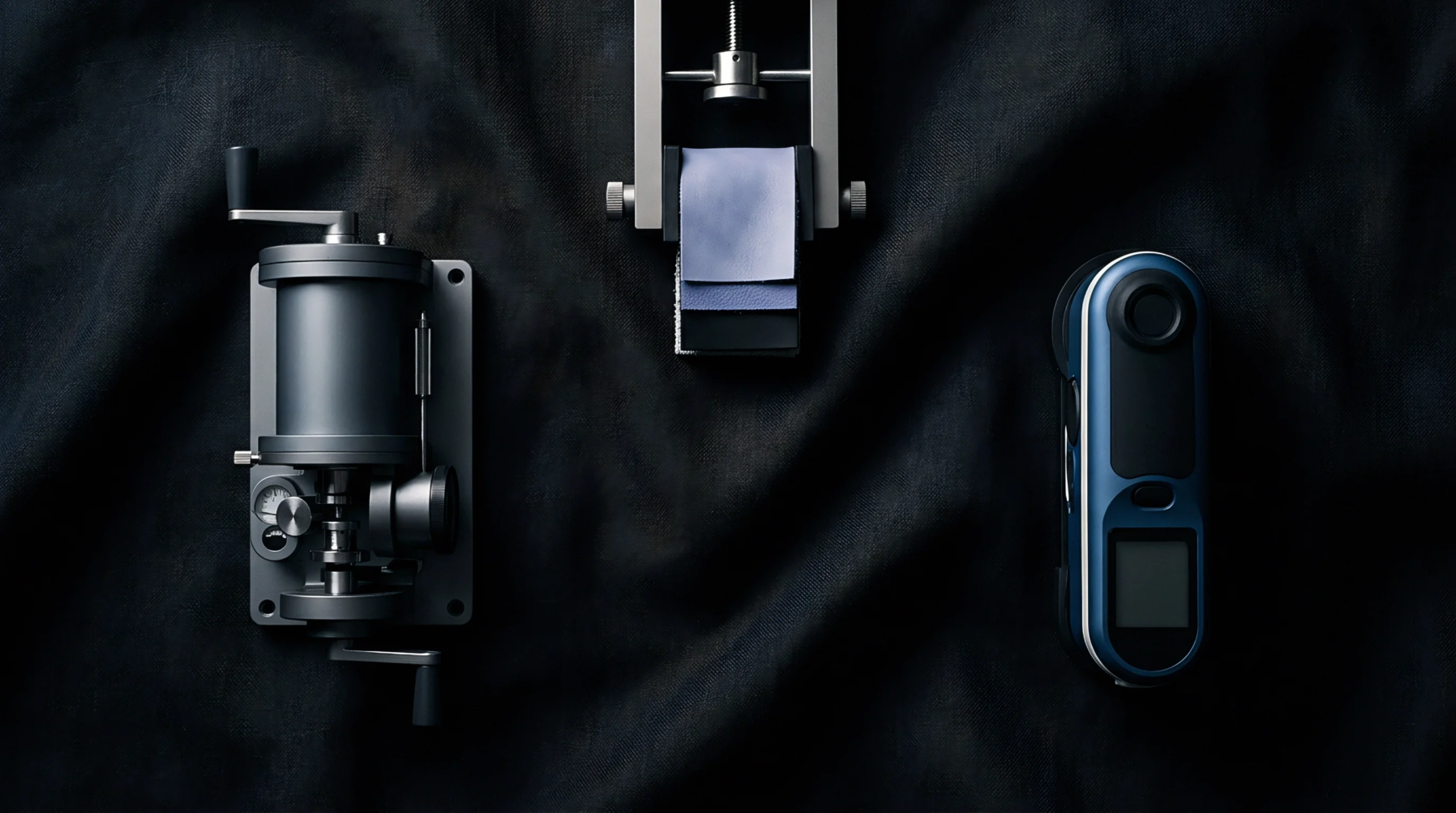
Diagnostic testing requires preparing thin transverse sections of yarn samples using precise microtome cutting tools. In quality control testing for Chinese linen mills, bast fiber differentiation confirms whether raw material shipments contain unblended flax or unauthorized hemp adulterants. Technical personnel observe fiber cross-sections under optical magnifiers to count polygonal cells and evaluate central lumen shapes.
Flax fibers exhibit narrow, round lumens and smooth cell walls, whereas hemp fibers demonstrate irregular lumen profiles and pronounced striations. Staining tests using Herzog twist test protocols verify the fibrillar twist direction under polarized light filters. Mill laboratories record these morphological markers on quality certificates attached to export fabric rolls.
Accurately proving fiber identity protects spinning mills from contract disputes regarding raw material composition.
Structural Distinction
Morphological separation cannot quantify exact fiber ratios in heavily processed or micro-fibrillated pulp materials. Performing bast fiber differentiation establishes raw fiber purity before chemical retting or spinning operations commence. Synthetic fiber blends require supplementary solvent extraction methods to complete component verification.