Pneumatic Flow
Pneumatic flow measures total air volume consumption during linen spinning operations within Chinese mills, quantifying compressed air delivered to ring frames and drafting units. Mill auditors record this metric on daily utility logs during routine shift inspections. Compressed air drives pneumatic piecing mechanisms and clears fiber debris from drafting rollers.
Total pneumatic consumption is determined by multiplying compressor displacement rates by operating hours and recording pressure drops across distribution manifolds.
Suction Demand
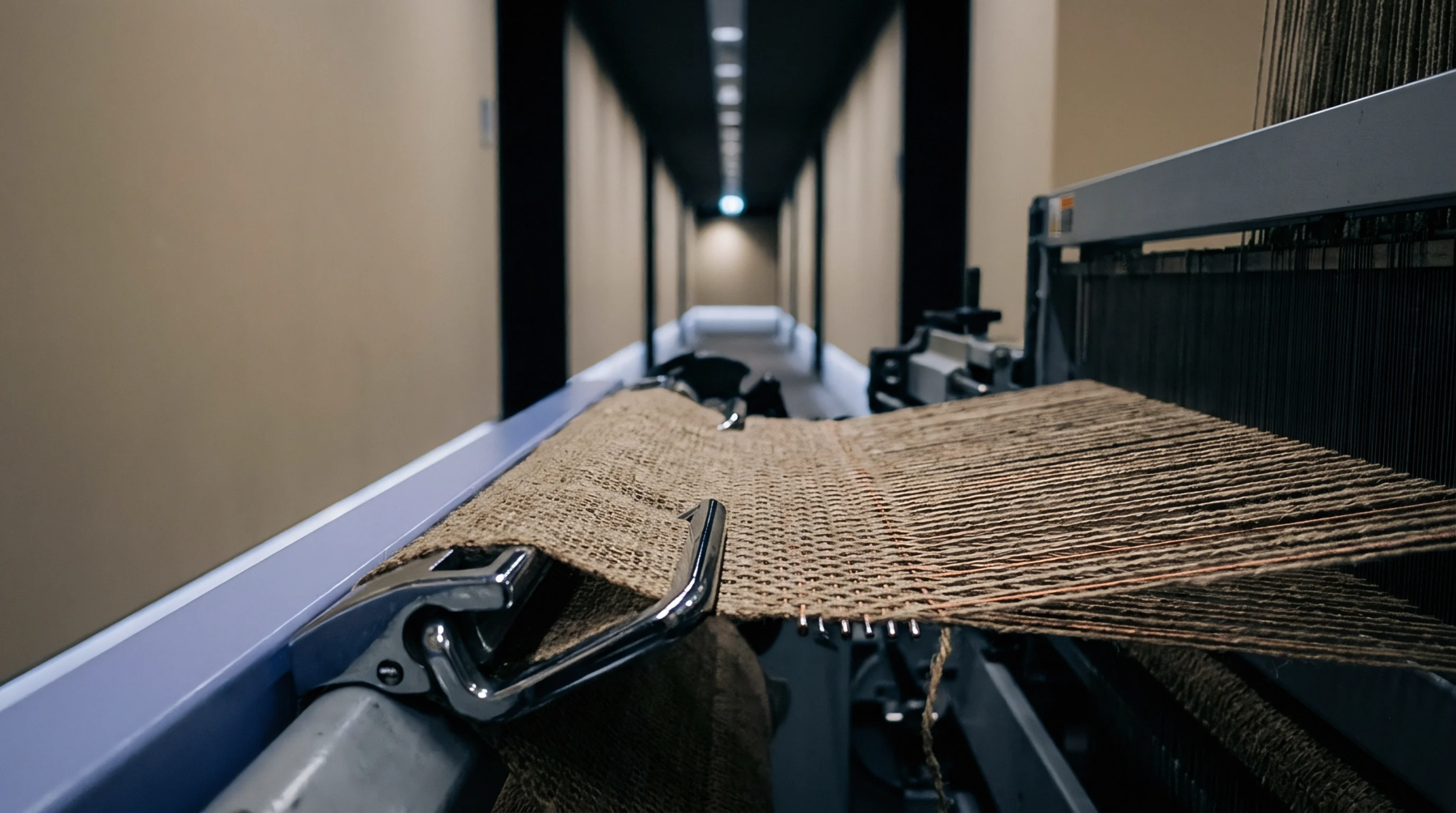
Suction demand governs air volume consumption within pneumatic waste extraction systems attached to high speed flax weaving looms. Looms utilize continuous negative pressure to remove short lint fibers from warp yarns during shed opening. Mill technicians calculate specific suction volume by measuring duct velocity profiles and cross sectional area parameters inside exhaust manifolds.
Excessive intake rates generate unnecessary electrical loads on centralized blower motors without improving yarn cleanliness.
Pressure Regulation
Pressure regulation controls air volume consumption across pneumatic finishing machinery during final linen fabric calendering and compaction. Regulators maintain stable operating pressures between input supply lines and pneumatic actuators that apply mechanical force to textile webs. Unregulated supply spikes inflate total air volume consumption beyond acceptable thresholds established in mill energy efficiency benchmarks.
Effective valve calibration prevents compressor overloading during peak mechanical cycling.