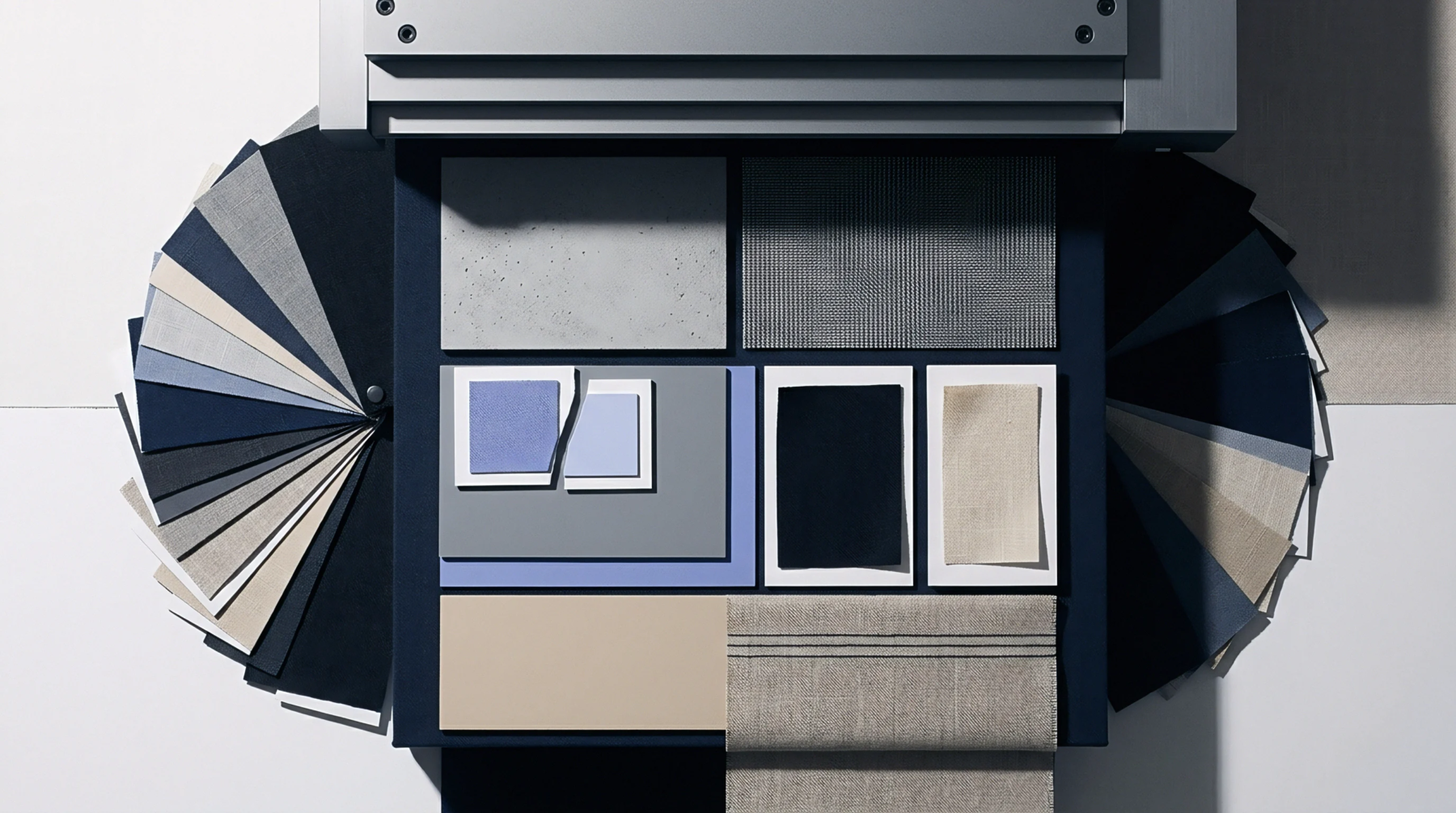
Mechanical Softening
High-velocity air currents induce fiber displacement within the finished linen structure to reduce stiffness. Aero-tumbling operates by circulating fabric through a pressurized chamber where kinetic energy breaks the binding agents applied during initial sizing or chemical treatments. This process achieves a desired hand feel without traditional mechanical beaters that risk abrading the surface fibers.
Manufacturers rely on this non-contact technique to preserve the structural integrity of the weave while achieving a softer tactile quality.
Process Requirements
Airflow volume and chamber pressure determine the degree of fabric agitation within the tumbling environment. Production settings must account for the density of the linen cloth because heavier weights require higher velocity to move fibers across their intersection points. Each batch undergoes this treatment after the final curing phase to ensure the softening agent settles into the gaps between yarns rather than remaining on the exterior of the weave.
Engineers adjust fan speed to match the specific tensile strength of the flax yarn, ensuring that the tumble duration does not compromise the recovery properties of the cloth. Uniformity across the surface depends on the consistent distribution of the fabric inside the rotation drum.
Acceptance Criteria
Quality control inspectors evaluate the results of this procedure by comparing the bending length of treated samples against established reference specimens. A successful outcome shows a reduction in flexural rigidity measured in millinewtons across both warp and weft directions. Discrepancies between the left and right selvages often suggest uneven airflow or improper loading density during the cycle.
Mills maintain logs of airflow pressure and duration to document compliance with buyer specifications for texture and drape. The consistency of the final fabric handle depends entirely on the stability of these internal machine parameters.