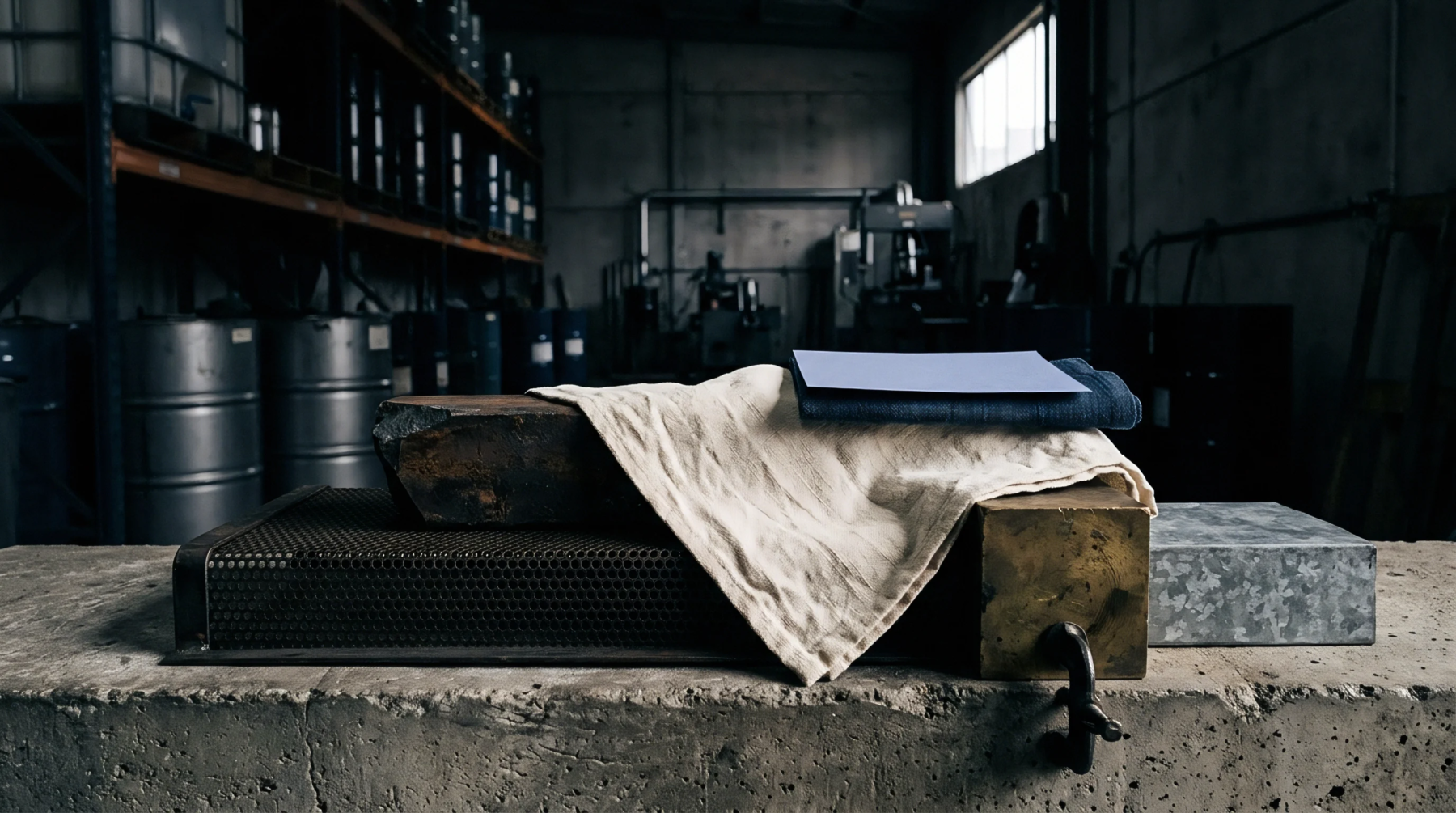
Disposal Machinery
Mechanical equipment crushes fabric scraps, dust and unusable flax fibres into high density cubes for efficient disposal or recycling. The waste collection compactor reduces the storage space required for manufacturing leftovers by applying thousands of pounds of hydraulic pressure to loose debris. Using these machines lowers the frequency of waste transport trips which reduces the carbon footprint of the mill operation.
Bulk Processing
Factory workers load sweepings and damaged yarn rolls into the top hopper where a moving plate drives the material into a reinforced chamber. Inside the waste collection compactor the flax remnants are squeezed into tied bales that standard forklifts can move with ease. This organized storage prevents loose fibres from becoming a fire hazard or clogging the ventilation systems of the weaving hall.
Digital sensors track the load weight to inform waste management contractors when the unit is ready for collection. Compacted bundles allow the warehouse team to stack waste higher than loose containers permit.
Systemic Limit
Efficiency decreases if the machine is overloaded with wet materials that expand or create rot within the internal seals. A waste collection compactor only accepts dry fibre waste to avoid damage from acidic liquids found in dyeing labs.