Wear Resistance
Evaluation of the ability of a yarn to withstand repeated rubbing against an abrasive surface provides a measure of its industrial quality. Through zweigle abrasion testing, the mill determines how many cycles of friction a linen yarn can endure before the protective size fails or the fibre breaks. This data is used to predict the performance of the yarn on high-speed looms.
Test Mechanism
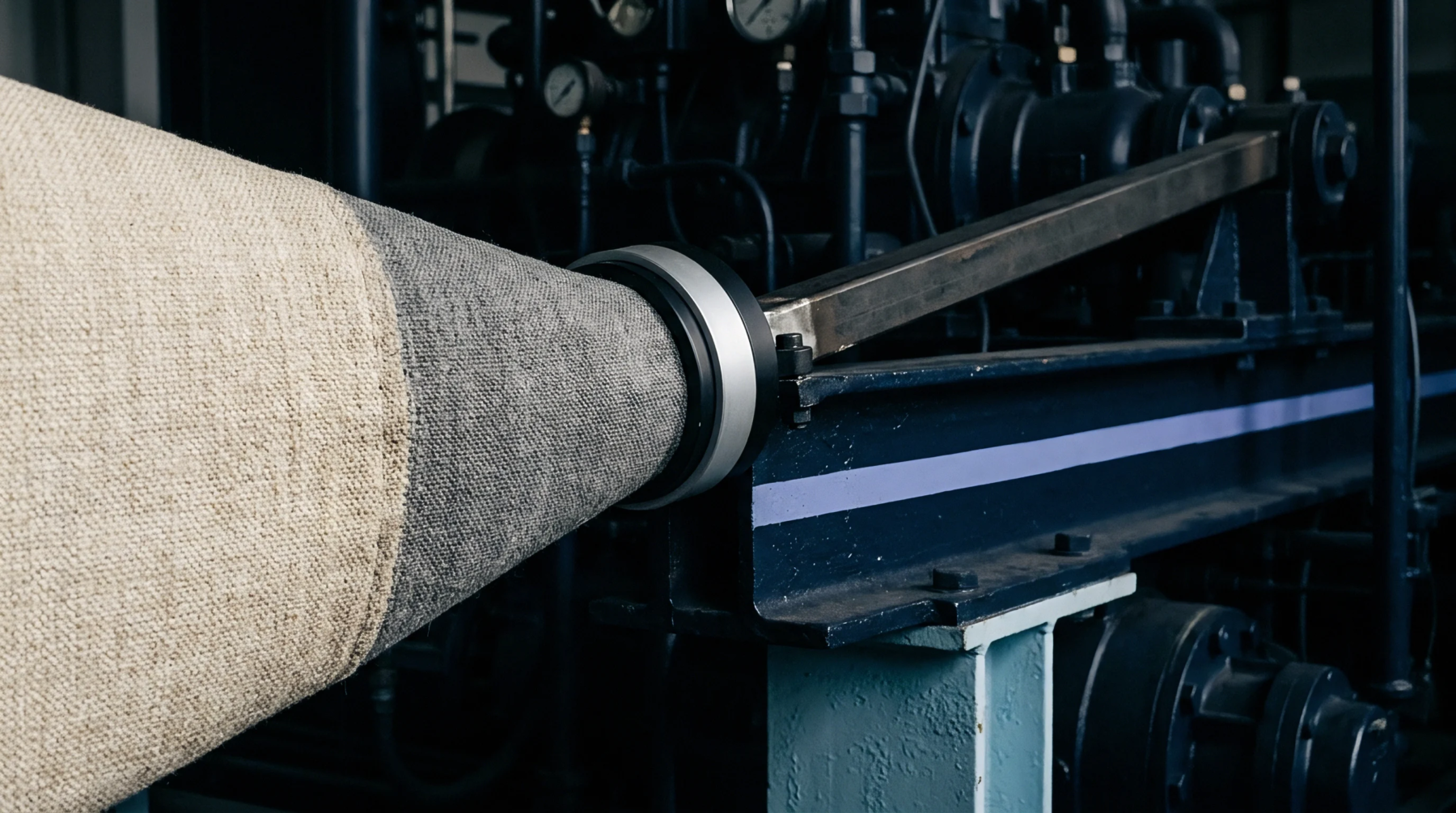
Equipment used for this procedure typically involves a rotating cylinder covered with emery paper or a similar rough material. During zweigle abrasion testing, multiple yarn ends are subjected to the abrasive action under a constant load until they fail. The number of strokes recorded for each yarn provides a statistical average that defines the toughness of the batch.
Digital counters stop the machine the moment a yarn breaks, allowing for precise measurement of its endurance. This procedure is performed in a conditioned atmosphere to ensure that the results are not influenced by the moisture content of the flax.
Specification Compliance
Buyers often require a minimum abrasion score to ensure that the yarn is suitable for the intended fabric weight and weave density. Using zweigle abrasion testing allows the mill to certify that its yarn preparation process is meeting the necessary standards. This verification is a key part of the quality assurance protocol for premium flax exports.