Spinning Performance
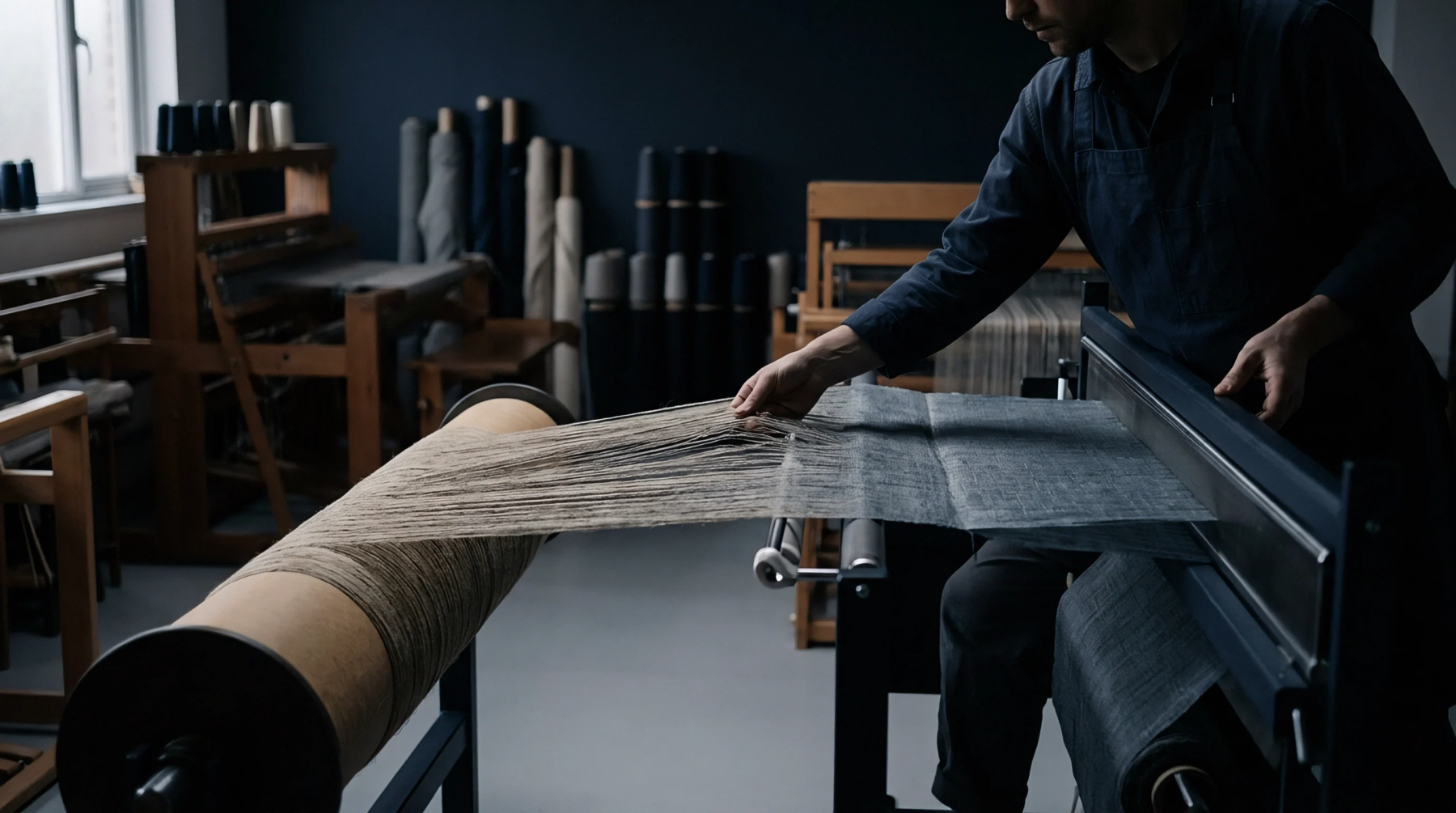
Fluctuation in yarn tension during the passage of flax through heated water baths results in frequent wet spinning end breaks. These ruptures occur when the mechanical load on the fibre exceeds the tensile strength of the roving during the drawing phase. Operators record the incidence of these failures as a count per thousand spindle hours to monitor the physical integrity of the processed line.
The data serves as a measure of fibre quality and equipment alignment within the wet spinning frame. High breakage rates suggest inconsistent retting or degradation of the bast structure that impairs draftability.
Production Quality
Management of these events remains central to the economic output of Chinese flax mills. Technicians adjust the immersion temperature and the apron pressure to minimize the frequency of these snapping incidents. Every break requires the manual piecing of the roving which introduces uneven yarn thickness and soft spots.
A batch with a high density of defects fails the strict requirements of circular knitting or high-speed warping looms. Reliable spinning machines maintain consistent moisture content to ensure that the fibre remains supple throughout the drafting zone.
Process Standards
Acceptance criteria for exported linen yarns often define a maximum threshold for these occurrences in the inspection report. Buyers demand consistency across entire lots to ensure that later finishing stages do not suffer from structural weakness. Specifications drafted in the purchase agreement hold the mill responsible for maintaining the physical continuity of the yarn.
Frequent snapping undermines the uniformity of the cloth and creates significant waste during subsequent processing steps. The volume of repairs inside the mill dictates the final grading and pricing of the industrial output.