Operational Reservation
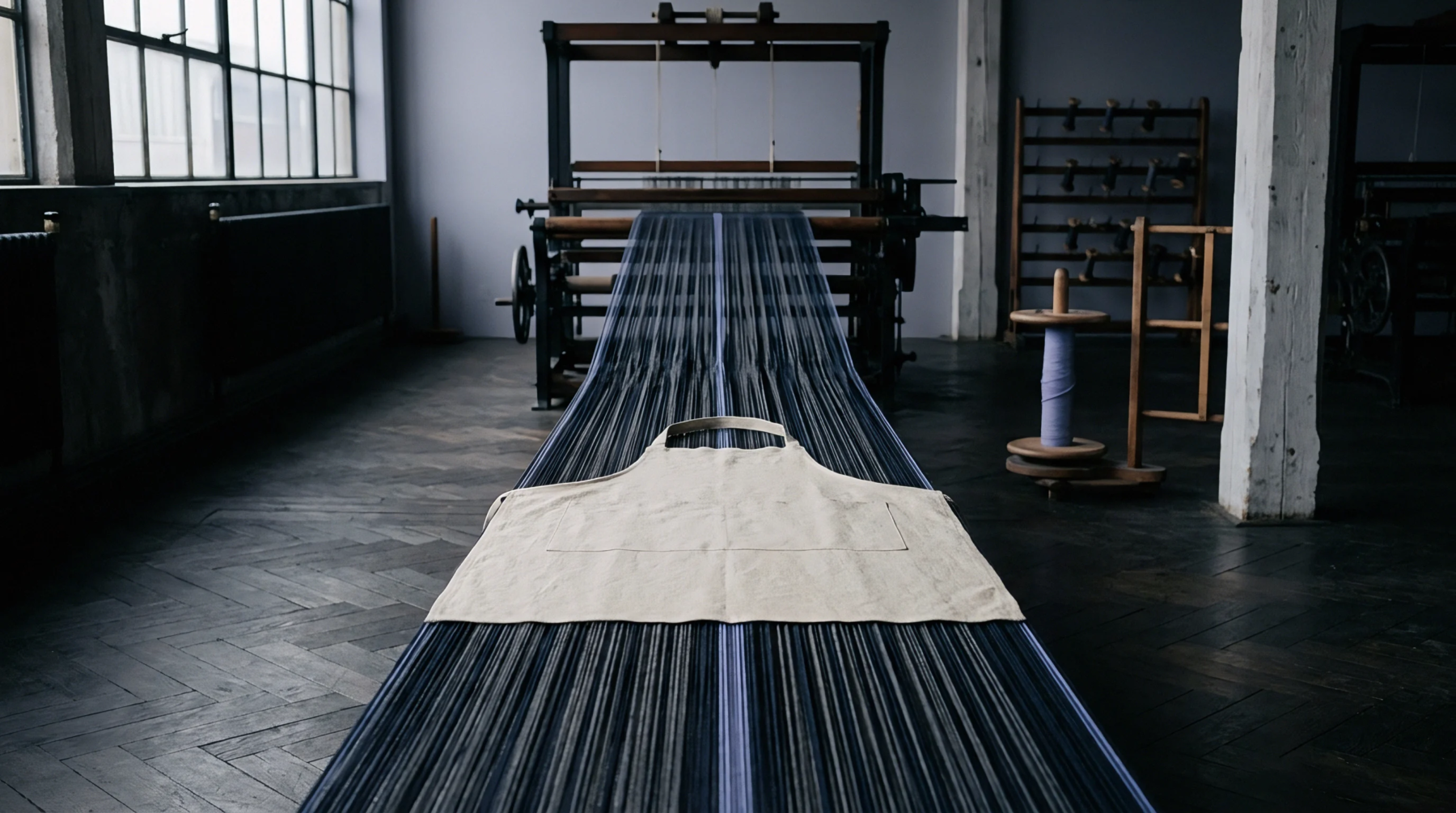
Production planning requires securing loom time weeks ahead of yarn arrival from the wet spinning sheds, and weaving capacity booking acts as the formal allocation of mechanical shifts on specific multi-phase machines. Mills record these guaranteed blocks in the master scheduling ledger against anticipated grey cloth yardage. This temporal commitment stops applying the moment yarn packages fail moisture regain tests at the winding stage, because wet spinning variations instantly invalidate downstream loom room schedules.
Machine Allocation
Mill floor superintendents divide daily output targets by individual loom speed ratings to calculate exact shift requirements for pure flax lots. Heavier linen constructions demand slower shuttle speeds, which automatically consumes a larger share of the reserved operational window than lighter apparel weights. Supervisors track these mechanical deployments in the daily production register to prevent double booking between standard stock items and custom buyer orders.
Unused loom hours revert to the general mill pool forty-eight hours before warp beam dressing begins.
Export Verification
Finished fabric batches undergo physical testing in the mill laboratory before dispatch to overseas buyers, and the resulting strength metrics appear on the final export certificate alongside the original production schedule reference. Inspectors grade the woven linen according to warp and weft density parameters rather than raw fibre classifications, ensuring the delivered cloth matches the specifications agreed upon during initial contract negotiations. Discrepancies between laboratory breaking load results and buyer acceptance thresholds invalidate the export clearance, forcing the mill to rerun the defective batches on newly scheduled shifts.