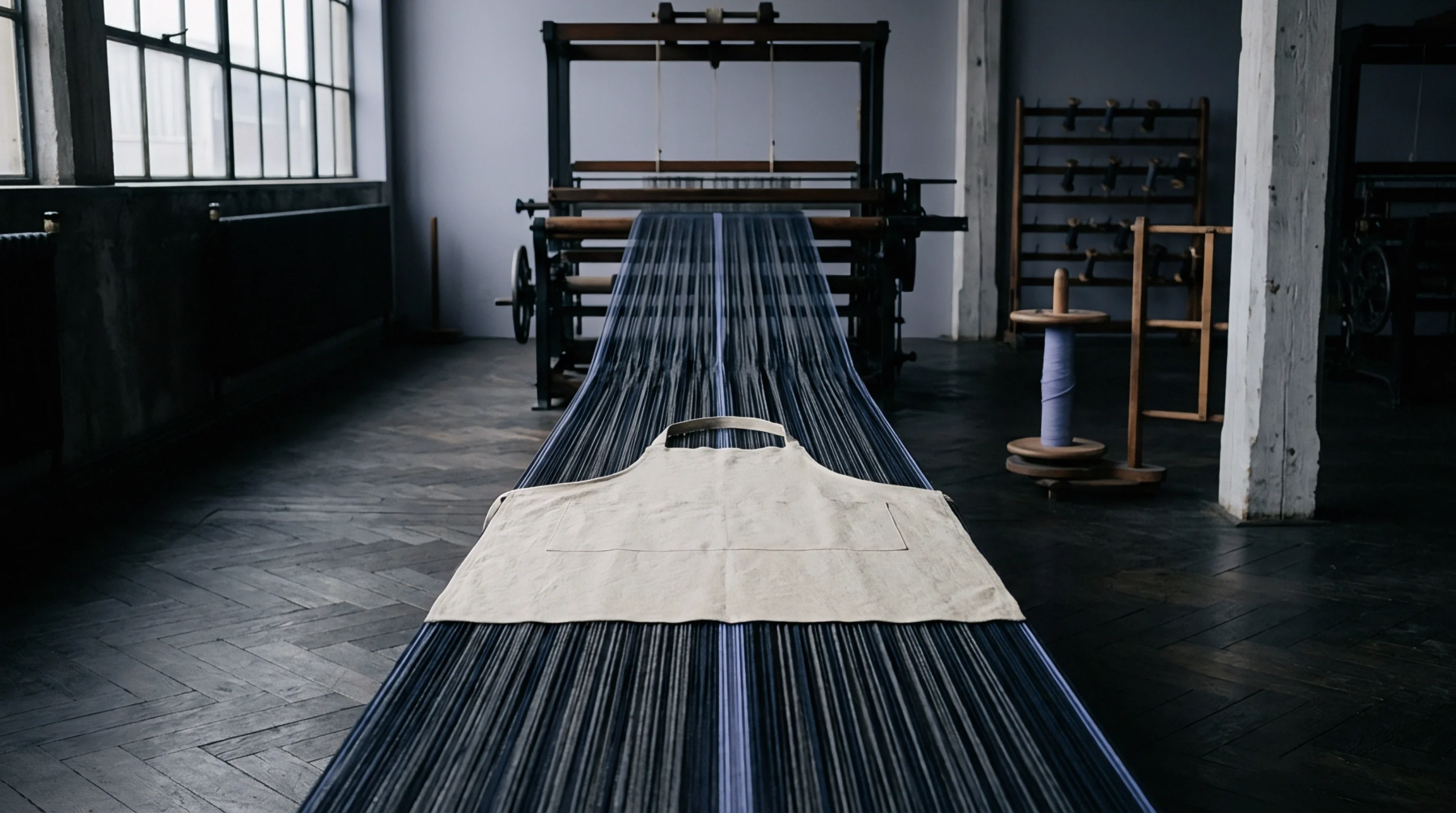
Tension Fluctuation
Weaving stability requires the maintainance of uniform force across all lengthwise yarns on the loom beam to ensure even weft insertion and prevent fabric puckering. The presence of warp tension variation indicates that different sections of the yarn sheet are under unequal pulling forces during the shedding cycle. This instability can cause warp thread breakage or irregular fabric density.
Mechanical Cause
Uneven let-off motions, eccentric loom beams, or temperature fluctuations in the weaving room can cause these tension changes. During warp tension variation, some threads become highly taut and are easily severed by the fast-moving rapier, while looser threads can get caught in the shed and cause tangling. Modern looms utilize electronic sensors and continuous feedback loops on the let-off roll to adjust the tension dynamically.
These micro-adjustments keep the average warp tension within a narrow range of five percent of the target value.
Fabric Quality
Finished linen fabric woven under uneven tension often shows visible bands of different density or exhibits wavy selvages after laundering. If the tension variance exceeds acceptable limits, the fabric will shrink unevenly during wet finishing, leading to rejected batches. Weaving mills use continuous tensiometers to monitor the warp sheet during high-speed production.