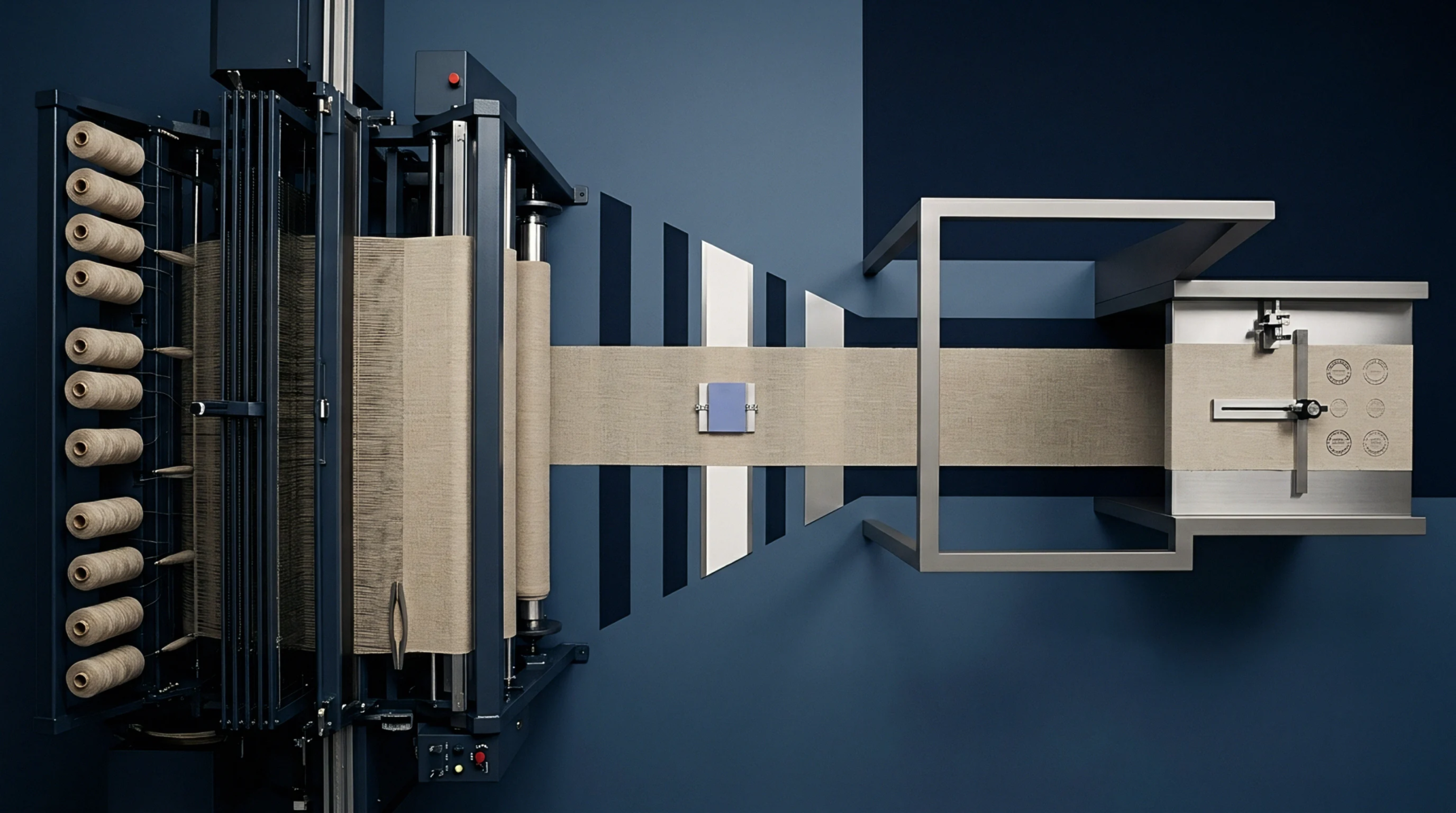
Measurement Procedure
Standardization of force measurements on loom load cells ensures that the tension applied to warp yarns is accurate and consistent across all machines. In textile mills, warp tension calibration adjusts the electronic sensors of the let-off system to align their readouts with the actual physical load of the yarn. This calibration maintains the tension within specified parameters to prevent yarn deformation and breakage.
Consistent calibration across the weave room is necessary for producing uniform batches of linen.
Adjustment Method
Technicians carry out this adjustment by hanging a known test weight from the backrest or warp beam and comparing the sensor output on the loom’s control panel to the weight’s actual value. During this calibration process, the controller is adjusted until the displayed tension matches the physical weight of the test load. This warp tension calibration is conducted before a new warp is mounted, or during routine maintenance cycles on the weaving floor.
The calibration records, including the pre-calibration and post-calibration tension values, are logged in the loom maintenance ledger. This ensures that the digital display represents the true stress applied to the flax yarn, which is essential because even slight tension variances can lead to uneven shrinkage when the woven linen is washed.
Quality Verification
Accurate load cell readouts prevent tension-induced fabric defects such as weft waviness and uneven yarn density. If the calibration is incorrect, the let-off system will exert too much tension, leading to micro-ruptures in the linen fibers and reduced fabric strength. The quality assurance department reviews the calibration logs weekly to verify that all looms are within the mill’s strict operating tolerances.
This systematic review is recorded in the plant’s quality audit report, confirming compliance with international weaving standards.