Strand Splitting Process
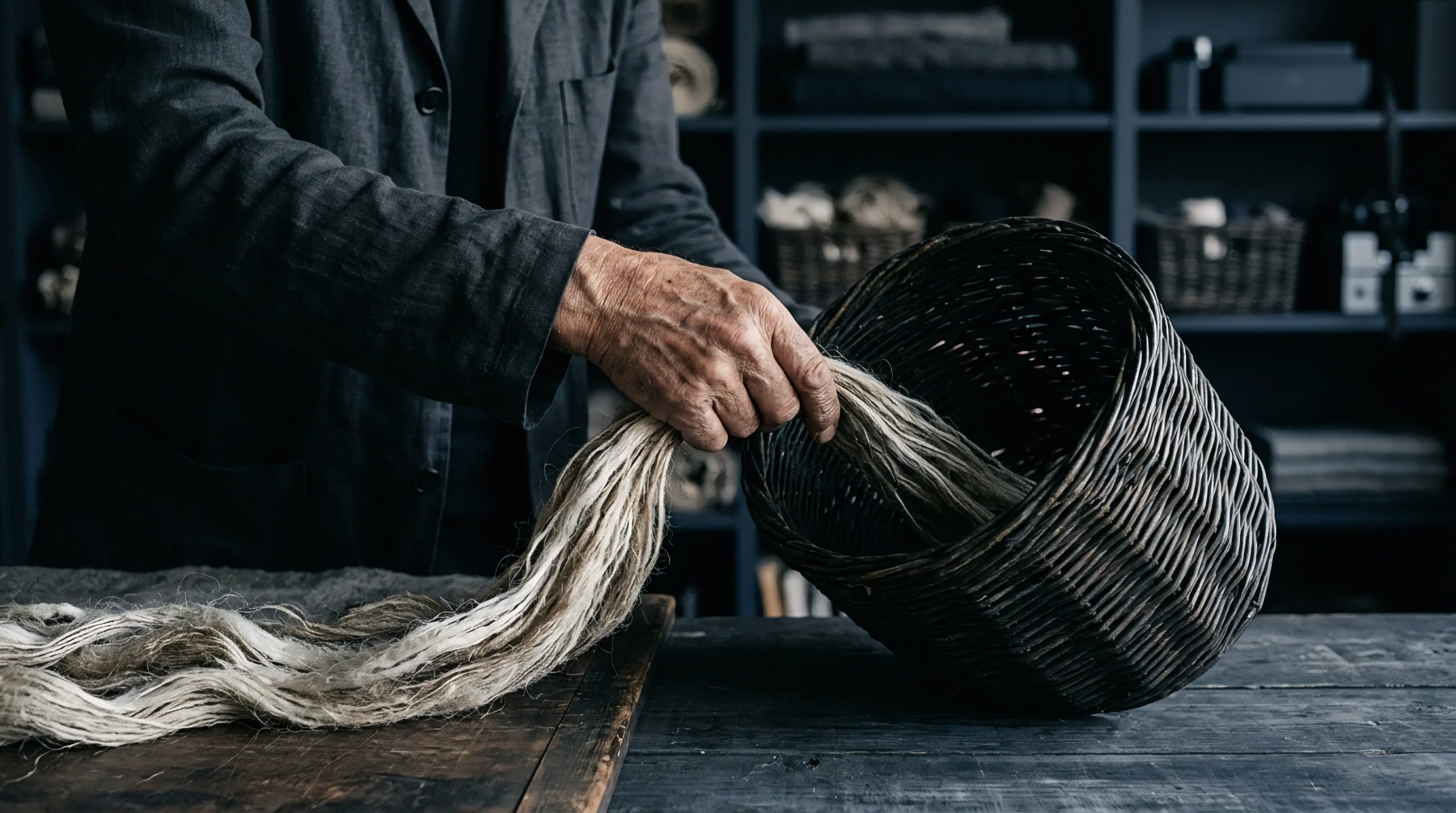
Progressive mechanical splitting of coarse bast aggregates converts raw flax into fine filaments suitable for spinning high-count yarns. Processed across progressively finer hackling combs, technical bundle division reduces the cross-sectional area of fiber bundles by longitudinal shearing along natural middle lamella planes. Mill production logs track division efficiency to predict maximum spinning limits for processed fiber batches.
Mechanical Separation Dynamic
Penetrating hackling pins apply lateral forces that cleave inter-elementary pectin bonds within large technical bundles. Successful technical bundle division produces uniform, slender fiber strands without snapping individual elementary cell walls or generating excessive short fiber tow. Insufficient division leaves thick, rigid bundles that resist drafting rollers and produce uneven, coarse yarn with poor hand feel.
Excessive mechanical force fractures cellular walls directly, destroying bundle tenacity and causing high yarn end-breakage rates. Operating plants optimize pin geometry, insertion depth, penetration angle, and comb speed based on retting depth and fiber moisture content. Gradual reduction in pin spacing across successive hackling fields ensures gentle separation without structural degradation.
Fineness Verification Limit
Linear density testing and optical fiber analyzers determine average bundle diameter distributions following hackling completion. Incomplete technical bundle division requires additional pass-throughs across hackling lines before sliver drafting. Export documentation lists final bundle fineness values to confirm compliance with buyer yarn manufacturing specifications.