Production Alignment
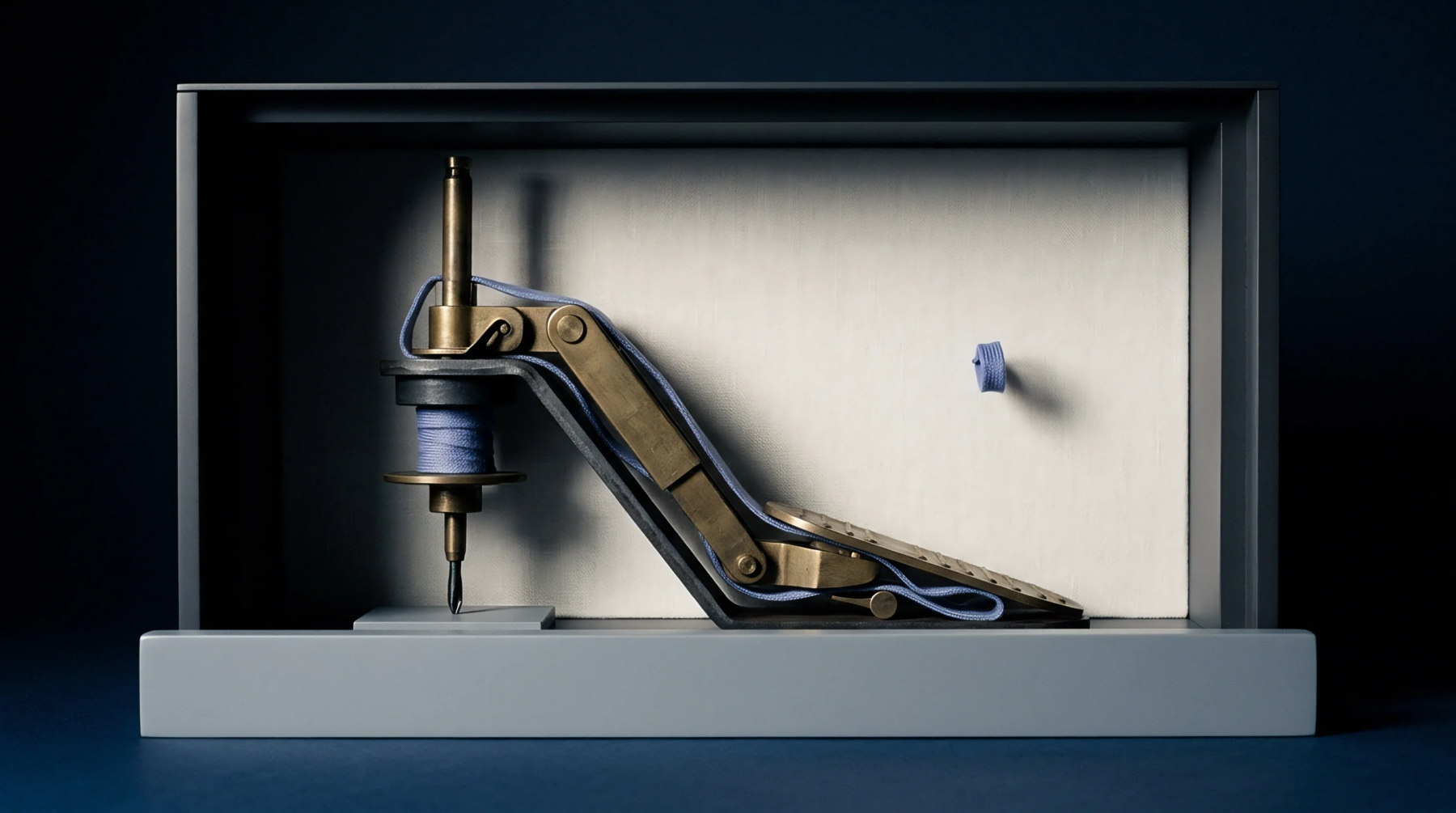
A physical notation applied to the selvedge of linen cloth identifies the exact point where a mechanical loom initiates the insertion of the first pick of a new supply batch. This start mark informs the quality controller of the precise location where a change in yarn lot or supply source occurs within a production roll. Verification of the mark happens during the inspection stage when the bolt passes under high intensity light to check for variations in tension or shade.
Mills record the coordinates of the notation on the inspection card for each roll to ensure the mill maintains traceability across the entire production sequence. If the loom operator fails to attach the indicator, the downstream finishing equipment lacks the information required to recalibrate for different fibre characteristics. Such omissions result in unwanted tension streaks during the final heat setting of the linen.
Inspection Integrity
Technical standards require that this identifier remains readable through the various chemical baths applied during wet processing. A start mark must resist bleaching agents and high temperature washes without migrating into the surrounding fabric fibres. Technicians place the marker at the edge so that the subsequent cutting and sewing process removes the signifier before the garment reaches the consumer.
Variations in the physical durability of the mark relate directly to the type of ink or plastic tag used in the spinning hall. If the marker bleeds into the fabric, the entire width of the affected section suffers a quality downgrade.
Material Calibration
The distinction between a fibre batch change and a production shift governs the placement protocol for the start mark. A mill adopts different notations depending on whether the alteration involves a different flax harvest or merely a reset of the weaving machine after a mechanical stoppage. Buyer acceptance criteria often demand that the factory documents these changes with absolute precision.
Proper records allow the purchaser to adjust settings in their own cutting facilities to compensate for shifts in fabric weight or shrinkage potential. A correctly documented start mark eliminates claims regarding inconsistent raw material quality in finished goods.