Bath Calibration
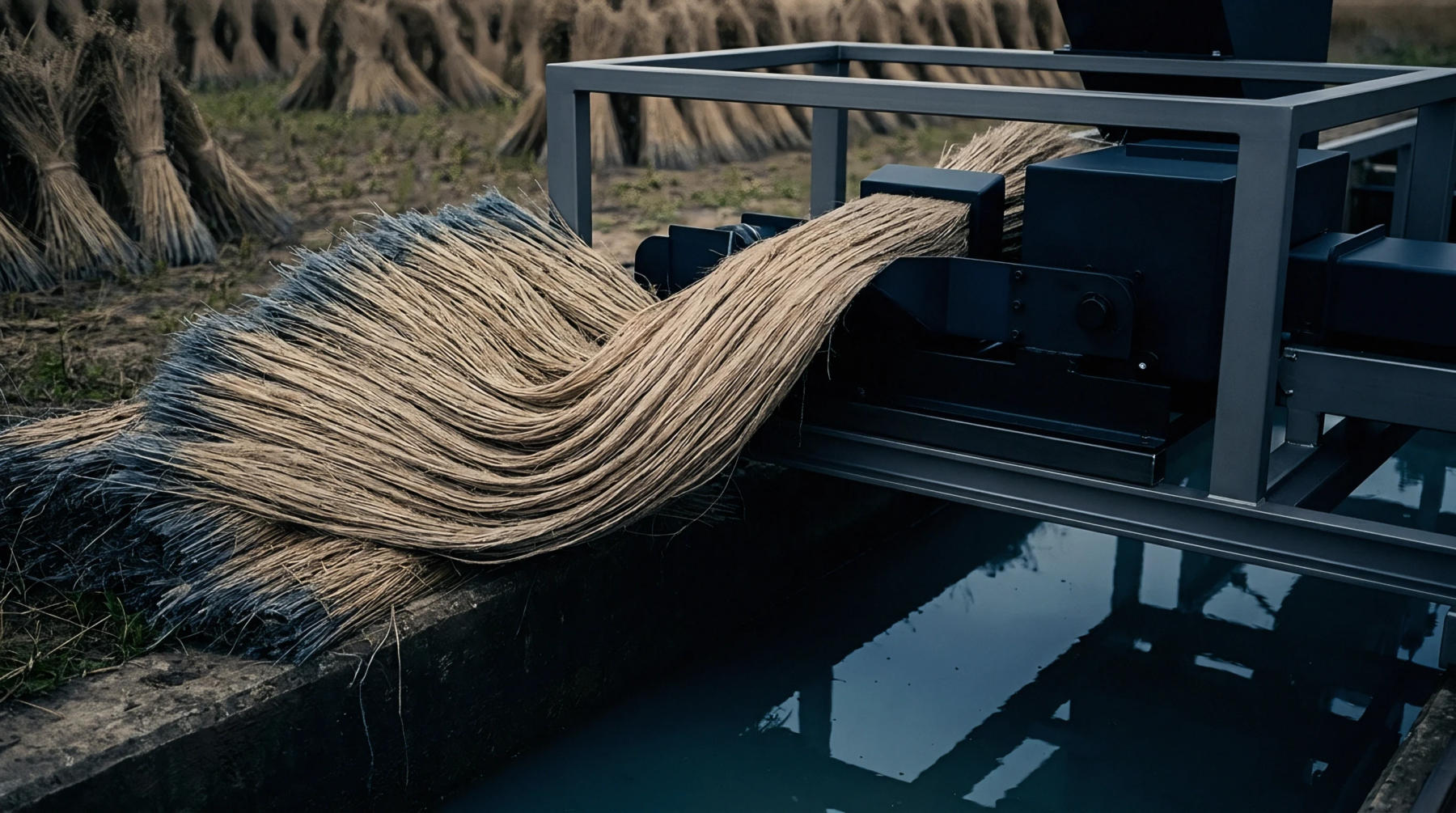
Wet processing units in Chinese flax mills maintain strict thermal baselines during the boiling stage. Spinning tank temperature determines how thoroughly pectin dissolves from the bast fibre bundles before drawing frames stretch the material. Operators monitor this metric continuously on the mill production log to prevent thermal shock from weakening the cellulose walls.
Water heated beyond ninety degrees celsius degrades the natural gums too rapidly and leaves the yarn prone to splitting during high speed drafting. Low heat preserves residual lignin that binds the elementary strands together and creates excessive friction inside the ring spinning frame. Workshops record these values hourly against the buyer acceptance criteria specified in the export dossier.
Fiber Degradation
Excessive heat alters the chemical structure of flax by breaking hydrogen bonds within the cellulose chain. Prolonged exposure to boiling water strips away protective waxes and leaves the yarn dry and brittle for subsequent weaving operations. Cooler water leaves stubborn hemicellulose deposits that interfere with the spinning nozzle and cause uneven yarn tension on the bobbin.
Mill technicians balance thermal energy input against mechanical action to achieve the exact moisture regain required for commercial grading.
Thermal Regulation
Automatic steam valves control the liquid environment inside the primary soaking vons to keep operational variance within tight tolerances. Production supervisors verify sensor calibration daily against a master thermometer before signing the batch clearance certificate for foreign buyers. Stable conditions inside the vessel ensure uniform dye uptake during later finishing phases and eliminate patchy coloration across finished linen bolts.
Strict adherence to this thermal limit protects the commercial value of the harvest throughout the industrial transformation chain.