Processing Metric
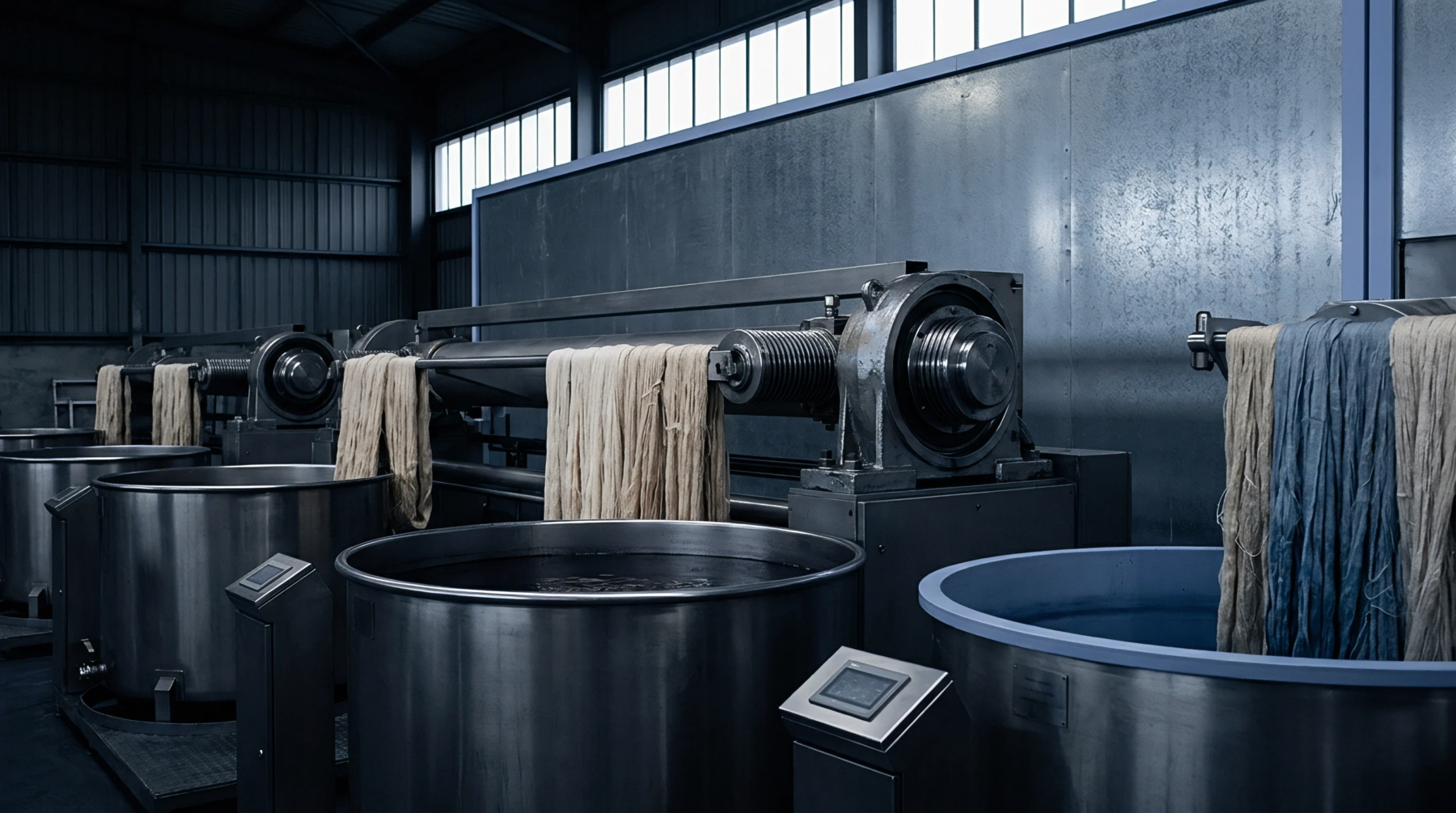
Manufacturing loss parameters in textile spinning track the progressive reduction of fibre mass caused by mechanical drafting, fibre fly generation and roller waste. Within Chinese wet spinning facilities, sliver drafting loss measures the percentage difference between input sliver mass and output drafted sliver mass during drawing operations. The metric applies to passage through draw frames, gill boxes and roving frames prior to wet spinning.
It stops applying after roving twist insertion stabilizes the fibre strand against loose fibre shedding.
Kinematic Loss
High-speed drafting rollers attenuate thick sliver into thin strands by sliding individual flax fibres past one another under mechanical pressure. During sliver drafting loss measurements, technicians calculate short fibre shedding and fly generation caused by mechanical friction between draft rollers and faller pins. Processing a one-hundred-kilogram sliver lot through three passages of drawing typically results in a loss of one point five to two point five kilograms of loose fibre fly and suction waste.
Faller pin density, roller speed ratios and ambient relative humidity directly influence the rate of fibre escape from the main strand. Maintaining relative humidity at seventy-five percent in draw rooms reduces static electricity and minimizes flying fibre loss. Automated waste extraction systems collect shed fibres from roller clearers to prevent neps and slubs from re-entering the drafting zone.
Operational Yield
Production managers monitor drafting waste figures to evaluate mechanical condition and fibre length distribution within processed lots. Systematic tracking of sliver drafting loss enables mill engineers to optimize draft ratios and roller nip settings for varying raw flax grades. Excessive drafting loss indicates poor fibre cohesion, inadequate lubrication or worn drafting aprons, which increases overall yarn manufacturing costs.
Chinese spinning mills incorporate drafting loss metrics into standard operating procedures to maintain uniform linear density in output yarns. Accurate waste measurements ensure reliable production planning and consistent yarn quality.