Drafting Uniformity
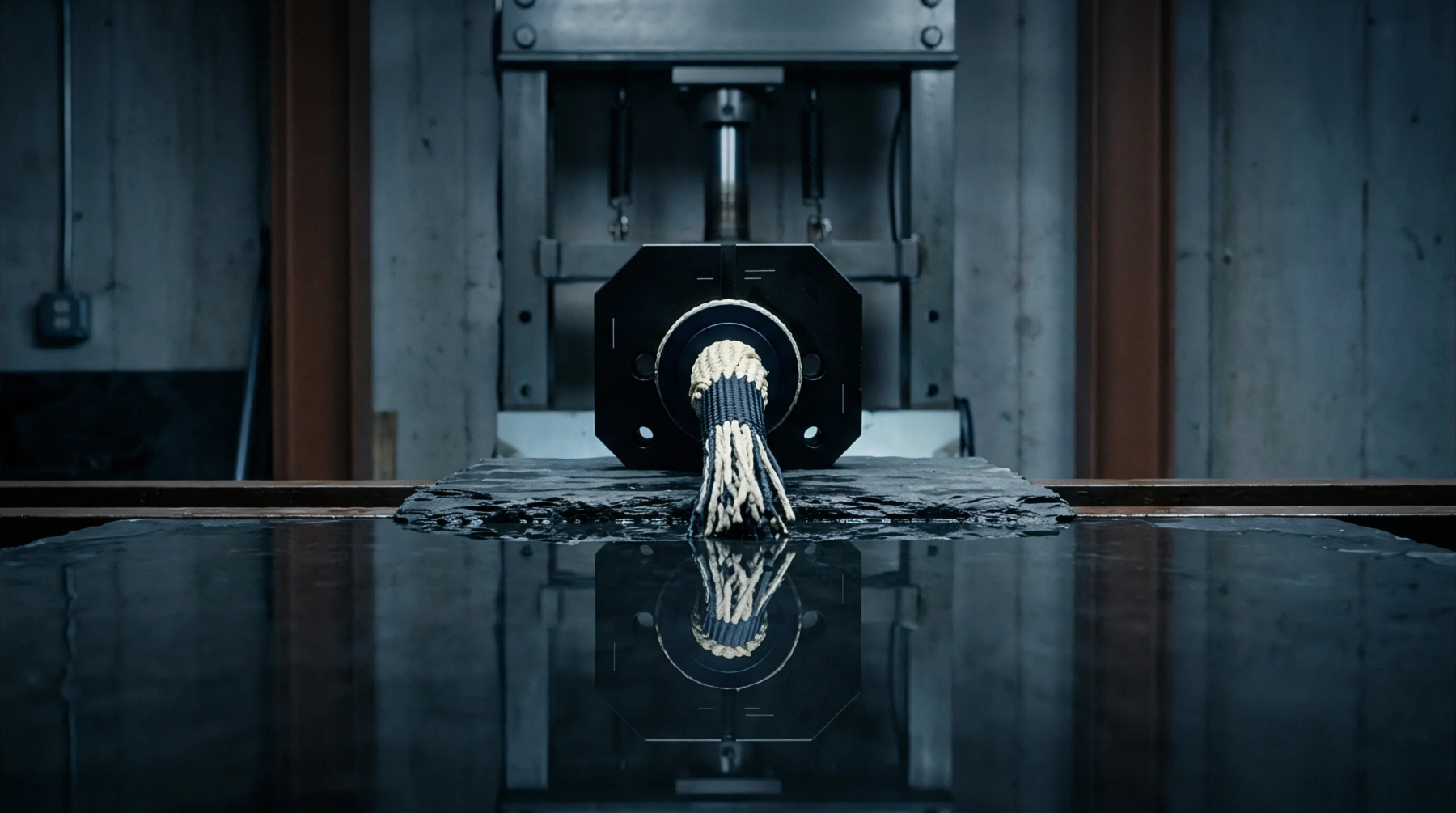
Fibre preparation in Chinese flax spinning mills requires precise management of mass distribution to ensure consistent yarn output. The process of sliver attenuation reduces the thickness of a fibrous strand through controlled drafting forces applied by successive pairs of rollers. These rollers rotate at differing speeds to elongate the fibre assembly by pulling individual stalks apart until the desired linear density is achieved.
Uniform speed ratios between rollers prevent sudden breaks or thick patches during the thinning stage. Engineers monitor these mechanical settings to maintain stable production volume throughout the carding line.
Drafting Threshold
Machine output depends on the specific break draft and total draft configurations applied to the flax material. High draft settings improve fibre alignment but increase the risk of irregular mass distribution if the initial sliver displays inconsistent density. Mill managers verify the efficiency of this thinning mechanism by checking the cross-sectional consistency of the resulting roving.
Technicians adjust the distance between roller nips to accommodate different fibre lengths, as shorter flax stalks require tighter nip control to prevent uncontrolled sliding. Failure to calibrate these settings leads to variations in the yarn count that appear later during the weaving phase.
Control Metric
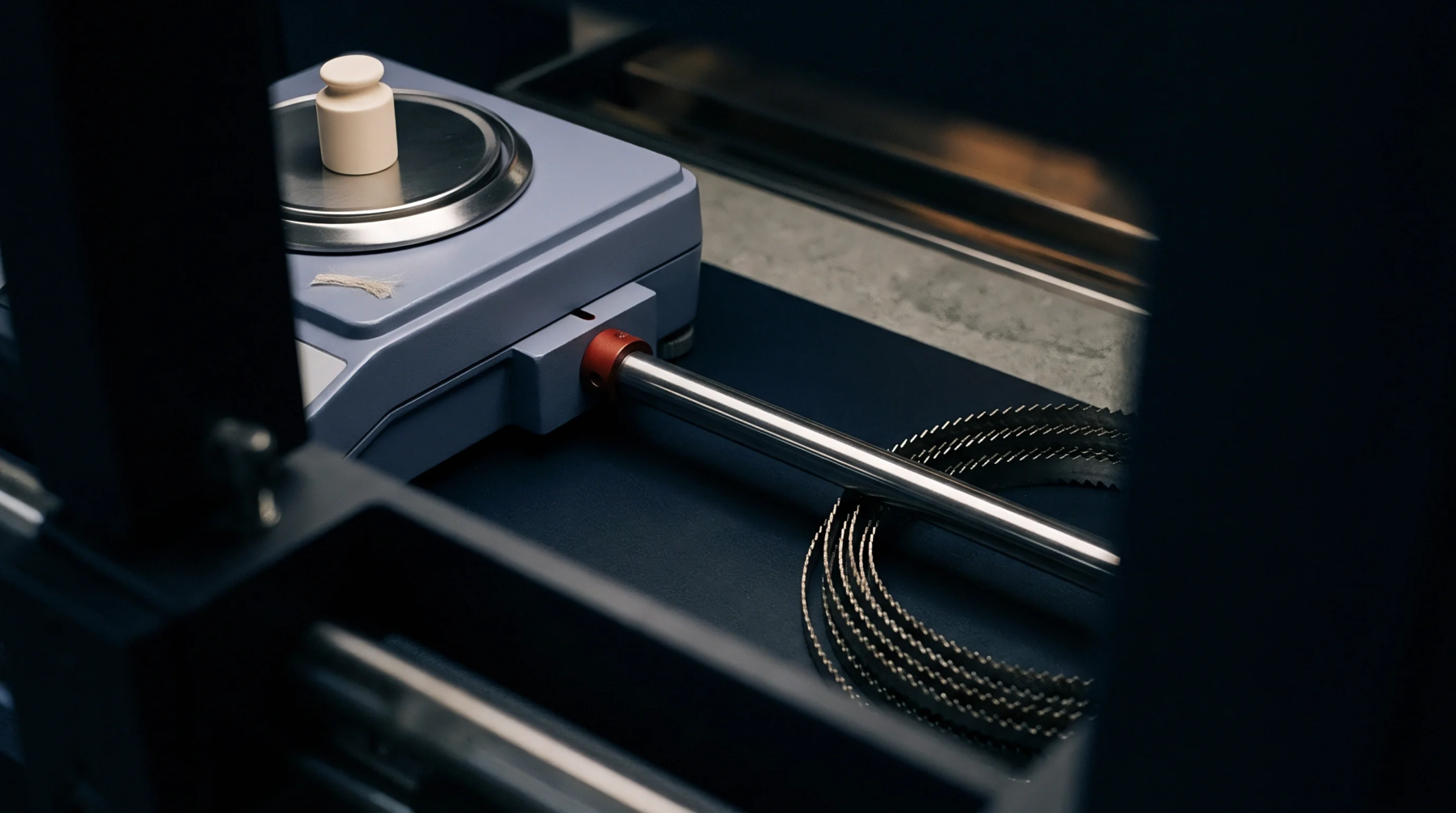
Quality assurance protocols document the input weight and output mass to establish a stable attenuation ratio. This ratio functions as a primary indicator of spinning efficiency and fibre processing capability. Deviations from the expected thinning rate signal mechanical wear on the apron tensioners or improper roller pressure.
Records of these measurements remain vital for traceability from the raw material stage to the export grade of the finished linen cloth. Consistent thinning remains the absolute requirement for meeting international linen fabric standards.