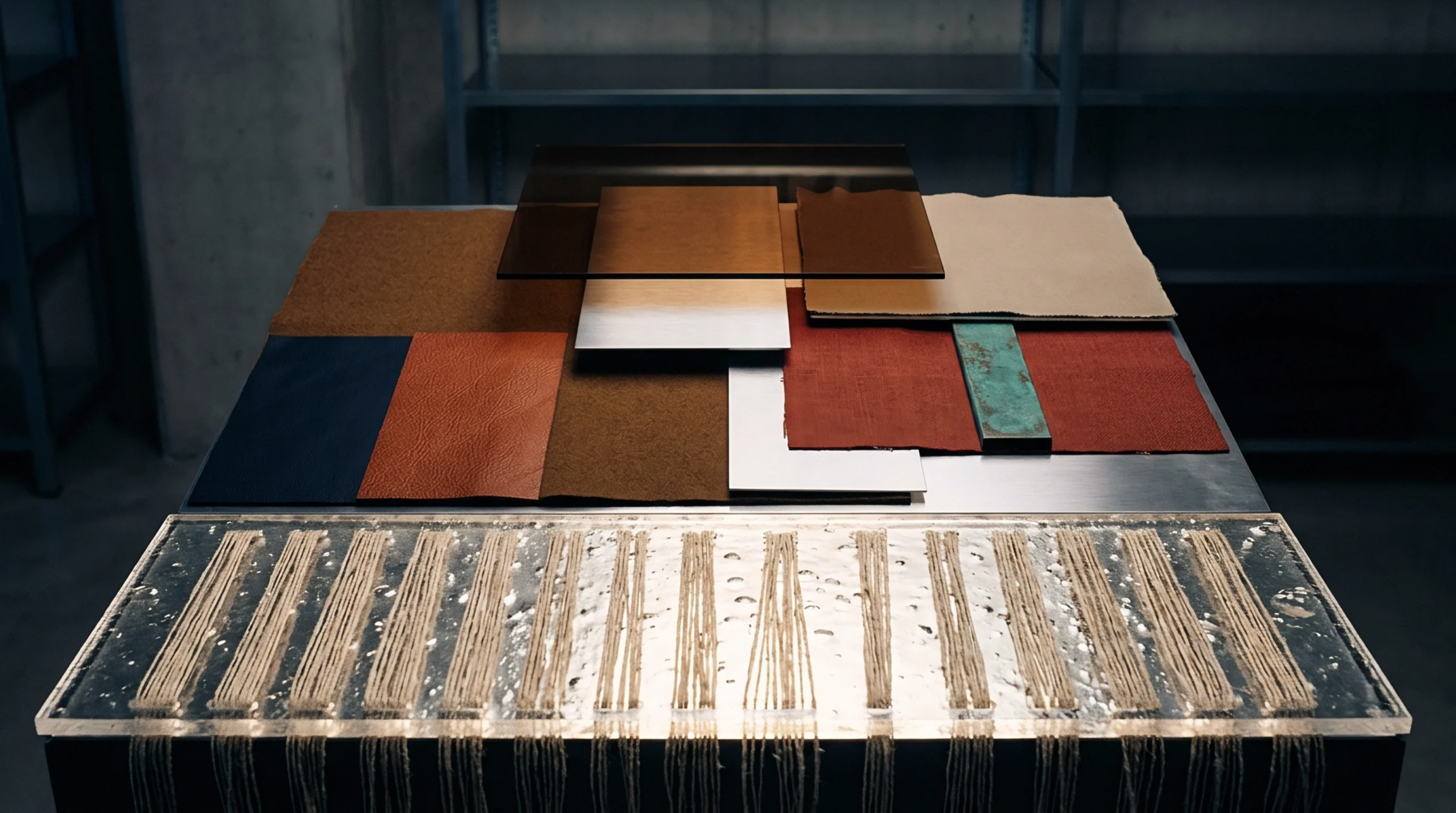
Yarn Preparation
Warp preparation processes apply a protective adhesive coating to yarn sheets before they undergo high-speed weaving on industrial looms. Textilers utilize slasher sizing to increase the tensile strength of the single yarns and shield them from abrasive forces. This process reduces hairiness by smoothing down loose surface fibres.
It protects the warp yarns from breaking under the constant tension of the loom.
Sizing Application
The process runs a sheet of warp yarns through a heated size box containing a solution of starch, polyvinyl alcohol, and lubricants. Squeeze rollers press the adhesive deep into the yarn structure, and the yarn then passes over heated drying cylinders to cure the coating. This protective layer must be uniform to ensure consistent performance across the entire width of the loom beam.
Too much size makes the yarn brittle and prone to cracking, whereas too little size fails to protect against friction. The size concentration and pickup percentage are recorded on the batch preparation log to ensure uniformity.
Weaving Efficiency
Effective sizing minimizes warp stops during the weaving process, which directly improves loom productivity. It is followed by desizing after weaving to restore the soft hand of the linen fabric. This step is recorded on the loom output sheet.