Thermal Transfer
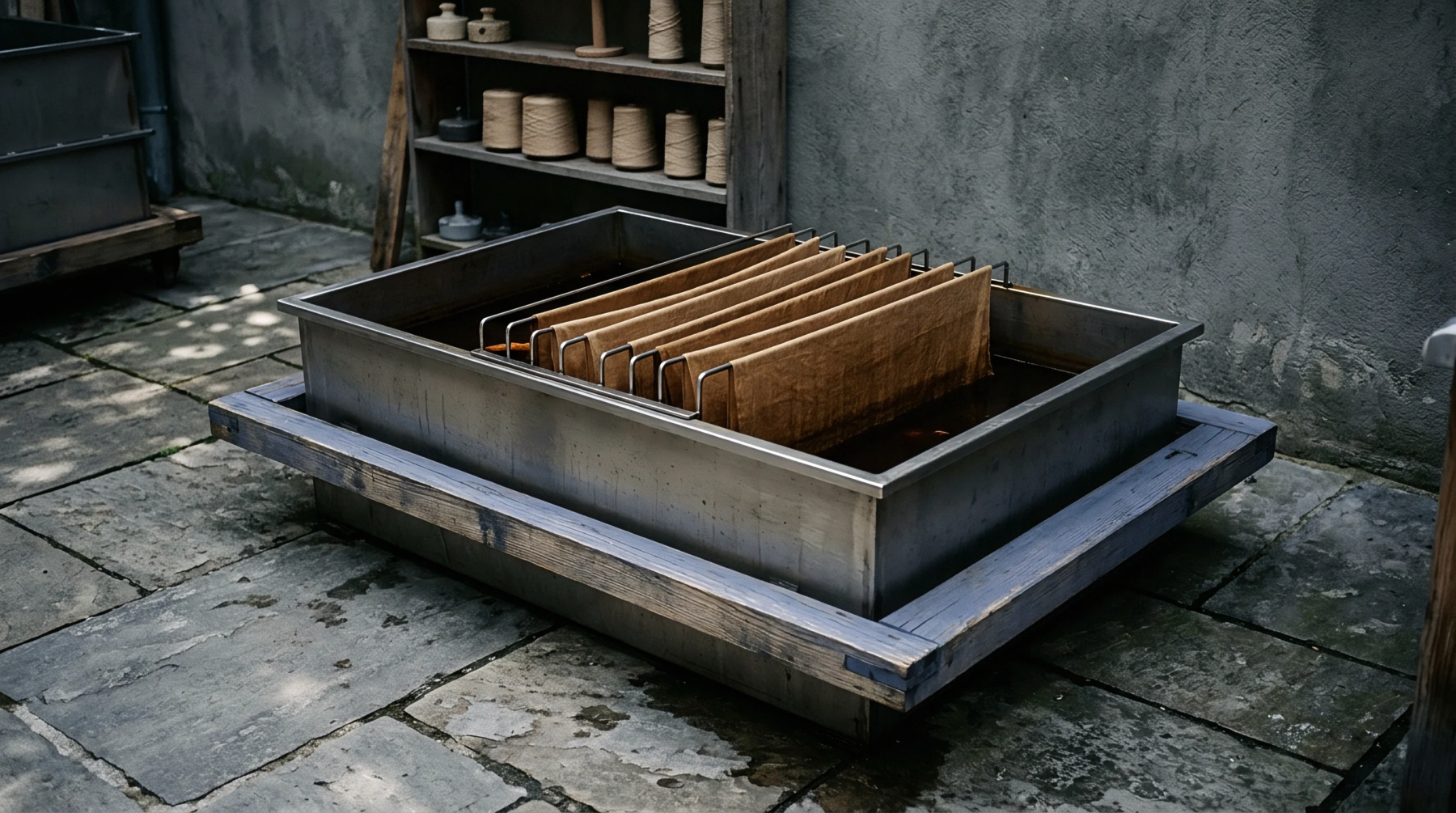
Rotary steam vessels mounted within sizing lines transfer thermal energy to wet warp sheets passing over polished metallic drums. Machine operators monitor slasher drying cylinders to dry starch-coated linen warp yarns to precise moisture levels without scorching natural cellulose fibres. These steam-heated cast iron or stainless steel drums use graduated temperature zones to prevent thermal shock and skinning of adhesive coatings.
Controlled evaporation converts liquid size into a protective film across individual flax ends. Thermal drying ends as warp sheets exit final cooling fans before reaching the splitting section.
Evaporation Rate
Heat conduction across drum surfaces determines moisture removal rates from wet sizing films. In sizing operations, slasher drying cylinders employ declining surface temperatures along yarn paths to prevent film blistering and fibre embrittlement. Pressure control valves maintain steady steam condensation removal.
Non-uniform temperatures cause uneven shrinkage.
Operational Constraint
Improper cylinder surface temperatures lead to size film degradation or incomplete drying that ruins warp beams. Teflon coatings on initial drying drums prevent wet starch adhesion and chemical buildup during continuous runs. Moisture sensors adjust cylinder steam pressure dynamically based on machine speed variations.
Condensate trap failures cause localized drum cold spots. Insufficient heat transfer from slasher drying cylinders leaves wet size residues that stick adjacent ends together on storage beams.