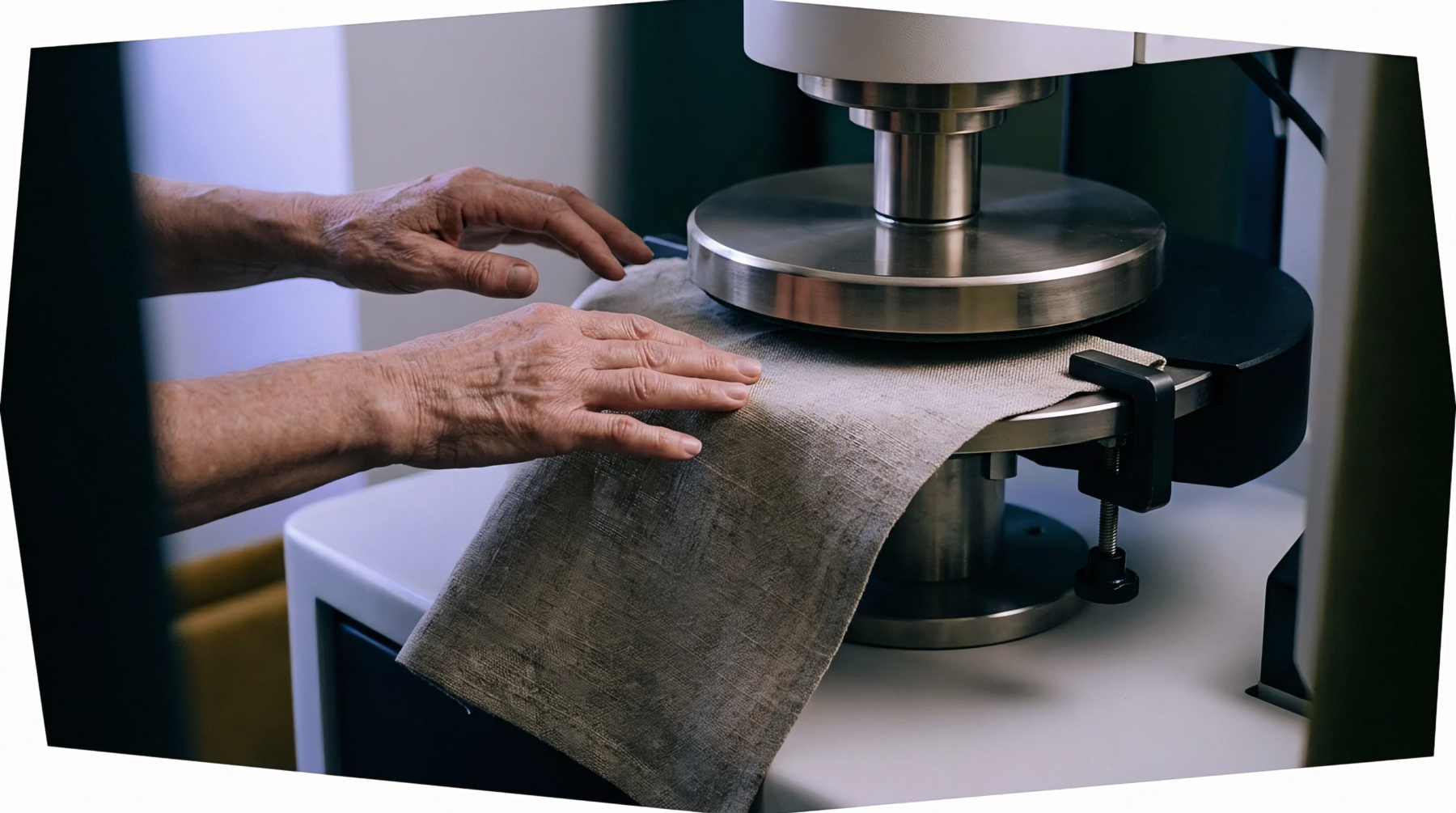
Fibre Assessment
Analytical quantification determines the non-cellulosic impurity percentage within processed flax or hemp stalks during the initial cleaning stage. Shive content gravimetry isolates woody stem fragments from the bast fibre through a controlled mechanical separation process followed by precision weight measurement. Drying chambers remove moisture from a representative sample until constant mass is achieved, ensuring the final ratio of woody residue to pure fibre weight remains independent of atmospheric humidity.
Technicians record these results on the primary inspection sheet to establish the quality grade of a raw lot before the carding phase begins.
Processing Protocol
Standardized sieving procedures dictate how much vibration time applies to each batch to avoid damage to the fragile bast strands. This method requires a analytical balance accurate to one milligram for consistent verification of the shive fraction. Operators subtract the final dry weight of clean fibre from the initial mass of the sample to calculate the exact contamination level.
High readings during this step suggest insufficient mechanical breaking or faulty extraction machinery in the pre-treatment line. Such data enables factory managers to adjust the cleaning equipment settings to minimize waste and improve the purity of the exported material.
Acceptance Boundary
Commercial contracts often define an upper limit for non-fibrous woody debris to prevent excessive wear on high-speed industrial spinning frames and to maintain the tensile strength of the finished yarn. Buyers reject shipments that exceed the agreed percentage because extra shive increases the work required during wet spinning and lowers the market value of the final linen output. Each mill document confirms the average shive mass found across multiple test samples to prove adherence to these agreed purity targets.
Reliability in this metric determines the difference between a premium raw fibre export and an inferior grade that requires additional costly treatment.