Intermediate Density
The linear density of the lightly twisted fiber strand produced during the roving stage determines the final yarn weight that can be spun from it. Calculating the roving count is a standard task in the preparation area of the mill, where the thick sliver from the drawing frames is drawn out and given a protective twist. This measurement is recorded in hank or tex units to guide the next stage of production.
Production Process
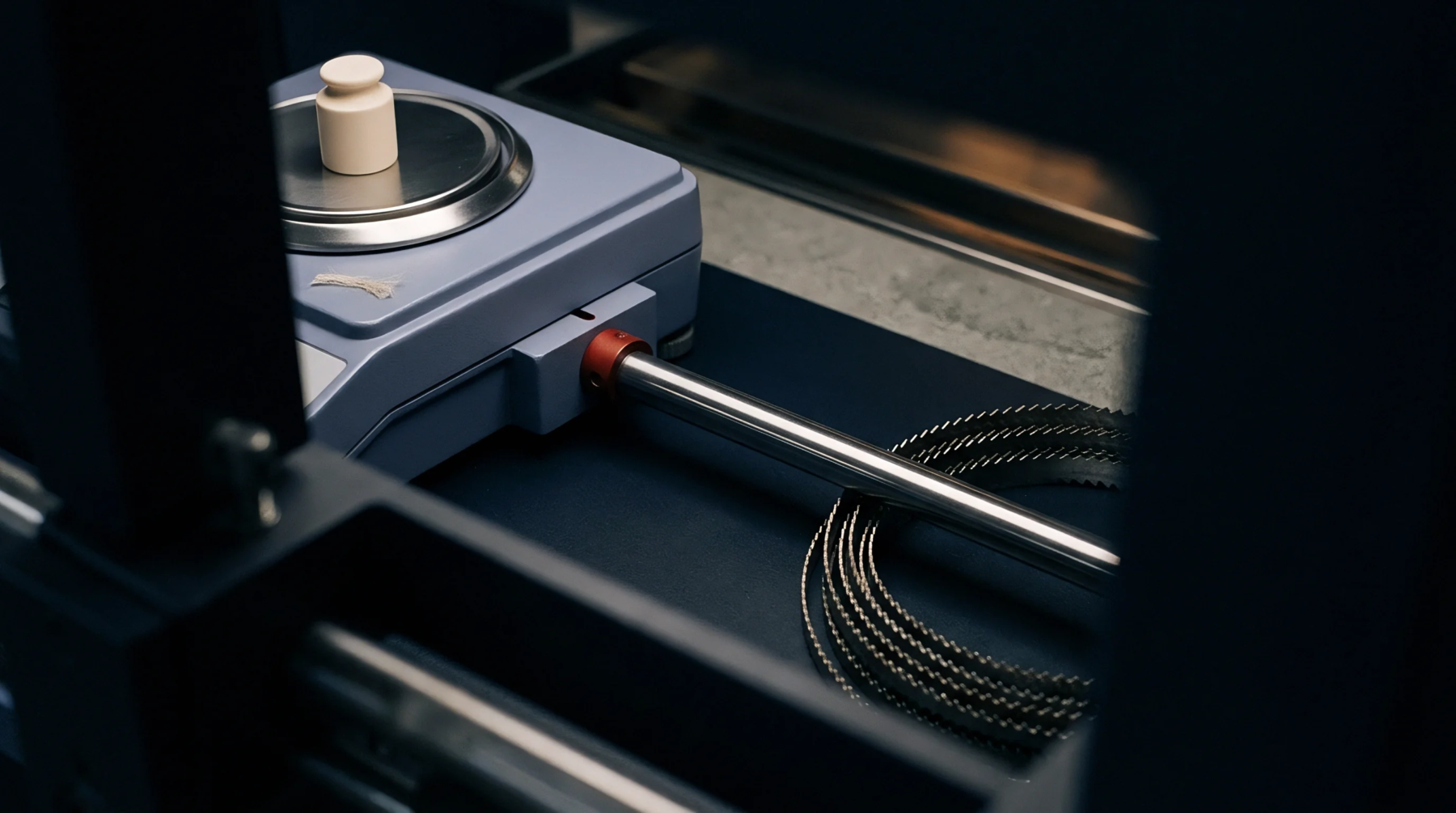
Achieving the correct density requires a precise drafting of the drawn sliver on the flyer frame before it is wound onto the roving bobbin. The roving count must be measured regularly by weighing a set length of the strand on a laboratory balance to ensure it remains within the allowable tolerance. When the strand is too thick, the subsequent wet-spinning process will produce a yarn that is heavier and coarser than the target count.
This intermediate test represents the mill’s primary method for detecting drafting errors before they affect the final yarn quality.
Spinning Adjustment
Adjusting the draft ratio on the spinning frame is necessary when the roving count deviates from the standard specification. This control prevents the production of yarn that does not meet the buyer’s density requirements. This adjustability helps to maintain consistency across different batches of flax.