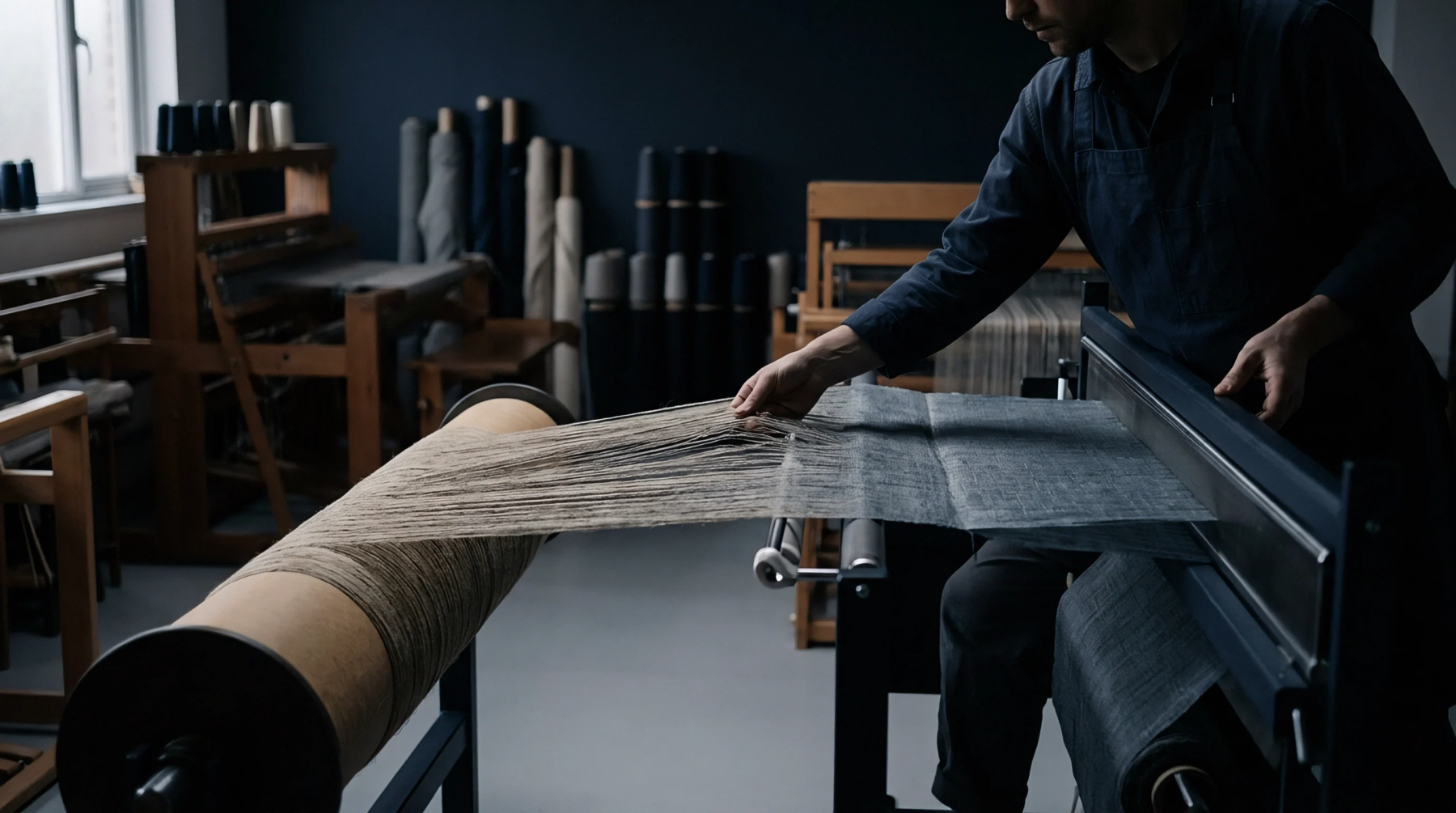
Pretreatment Operation
Wet chemical processing sequences applied to wound flax roving bobbins remove natural cementing pectins, waxes, and hemicellulosic impurities prior to fine wet spinning. The roving boiling pectin extraction process utilizes pressurized alkaline liquor baths to dissolve intercellular gummy substances that bind individual flax ultimates into coarse bundles. This chemical treatment improves fiber pliability, enhances drafting consistency, and enables spinning frames to produce high-count yarn numbers without excessive mechanical breaks.
The extraction stage concludes when chemically treated bobbins are neutralized, rinsed with fresh water, and loaded onto spinning creels.
Chemical Dissolution
Perforated stainless steel bobbins wound with low-twist flax roving are stacked onto vertical spindles inside sealed, pressurized chemical boiling kiers. The treatment bath circulates an aqueous liquor containing sodium hydroxide or sodium carbonate, combined with specialized wetting agents and sequestering chemicals. Circulation pumps drive the chemical solution alternately from the inside out and the outside in through the roving layers, maintaining uniform liquor distribution across the packages.
The bath temperature rises steadily to between ninety and one hundred degrees Celsius under controlled pressure, dissolving up to seventy percent of the natural pectins and hemicelluloses binding the fiber bundles. Controlling the boiling duration between one and three hours regulates the degree of gum removal, preventing structural fiber collapse while achieving sufficient fiber separation. After the hot alkaline boil concludes, the liquor drains rapidly, and the machine executes multiple warm water rinses.
Dilute acetic acid baths neutralize residual alkalinity, followed by final softening rinses that leave lubricated, flexible fiber strands. Bobbins are transferred immediately to spinning rooms to preserve moisture and flexibility.
Degradation Threshold
Chemical treatment parameters must remain strictly controlled to avoid cellulose depolymerization and subsequent tensile failure. Excessive sodium hydroxide concentrations or elevated boiling times weaken raw fiber tenacity, destroying operational running performance during roving boiling pectin extraction.