Manufacturing Process
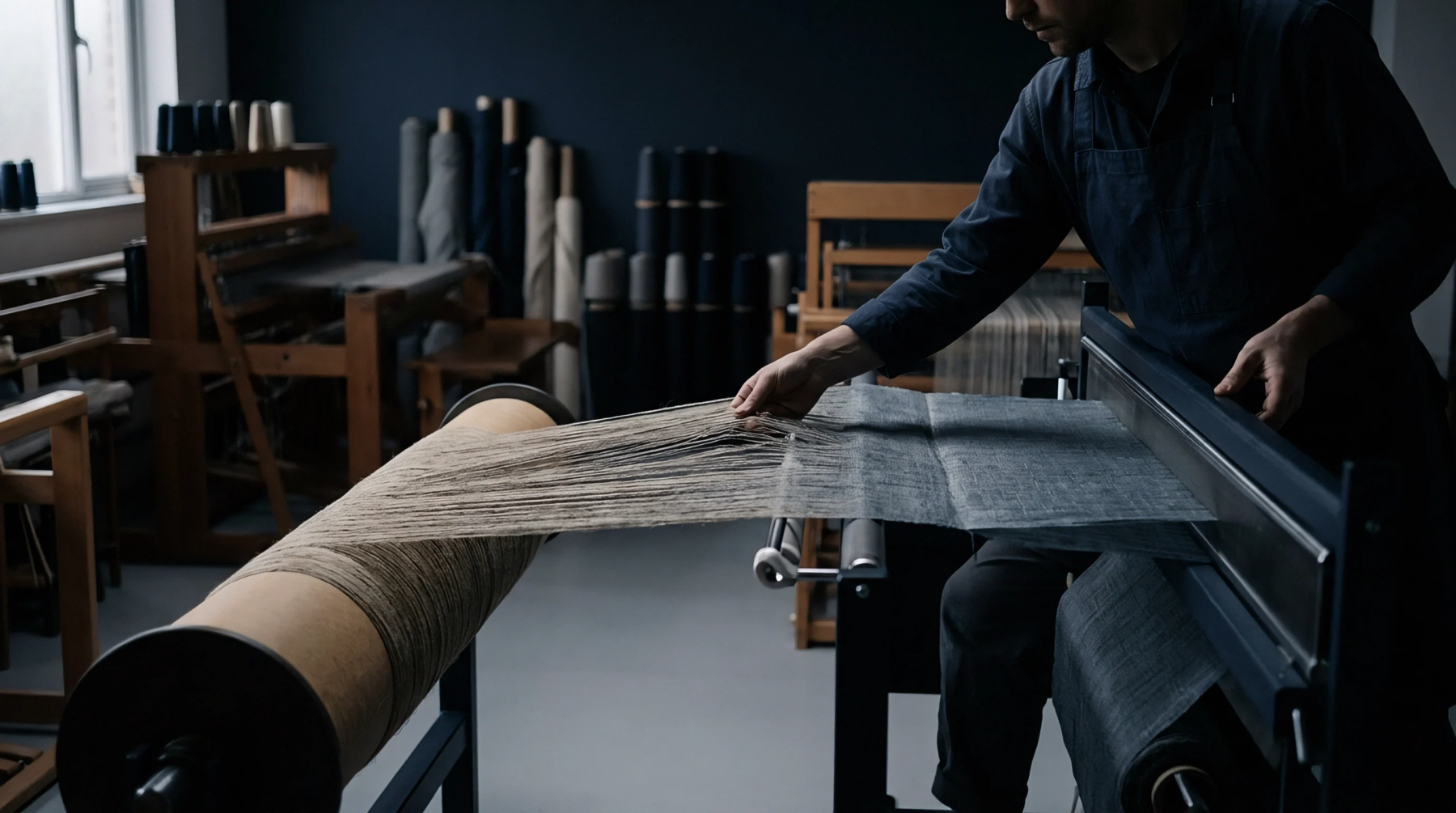
Mechanical yarn formation sequences that utilize heated water baths transform high-grade hackled flax into fine, uniform yarns suitable for lightweight apparel and luxury home furnishings. The long line flax wet spinning methodology draws roving slivers through hot water troughs positioned immediately before drafting rollers, softening the natural pectin binders holding individual ultimates together. This processing route handles long, parallelized bast fibers derived exclusively from hackling line flax, setting it apart from short fiber dry or modified tow spinning systems.
The manufacturing sequence ends when spun yarn packages dry completely on automated drying bobbins and pass to winding units.
Drafting Dynamics
Roving packages wound onto perforated stainless steel bobbins are mounted upon spinning creels positioned above the wetting zone. The roving strands submerge into immersion troughs filled with water maintained at temperatures between fifty and seventy degrees Celsius. Water immersion dissolves intercellular pectins and hemicelluloses, allowing individual flax ultimates to slide past each other without breaking during roller drafting.
Fluted stainless steel feed rollers grip the softened strand, advancing it toward high-speed delivery rollers operating at draft ratios ranging from ten to thirty. The drafting action separates thick bundles into ultra-fine filaments, achieving yarn counts extending from metric number twenty-six up to metric number sixty and higher. As the thinned fiber stream emerges from the nip of the delivery rollers, a ring and traveler assembly inserts true mechanical twist, binding fibers into a coherent yarn structure.
Package winders collect the moist yarn onto spinning tubes, utilizing continuous ring rail traverses to build stable cop shapes. The yarn must undergo prompt drying in dehumidification chambers to prevent mold growth and bacterial degradation.
Spinnability Limit
Spinning capability depends directly on raw fiber quality, pectin softening levels, and machine drafting speeds. Attempts to draft unretted fibers or excessively dry rovings result in immediate yarn rupture under long line flax wet spinning.