Mechanical Force
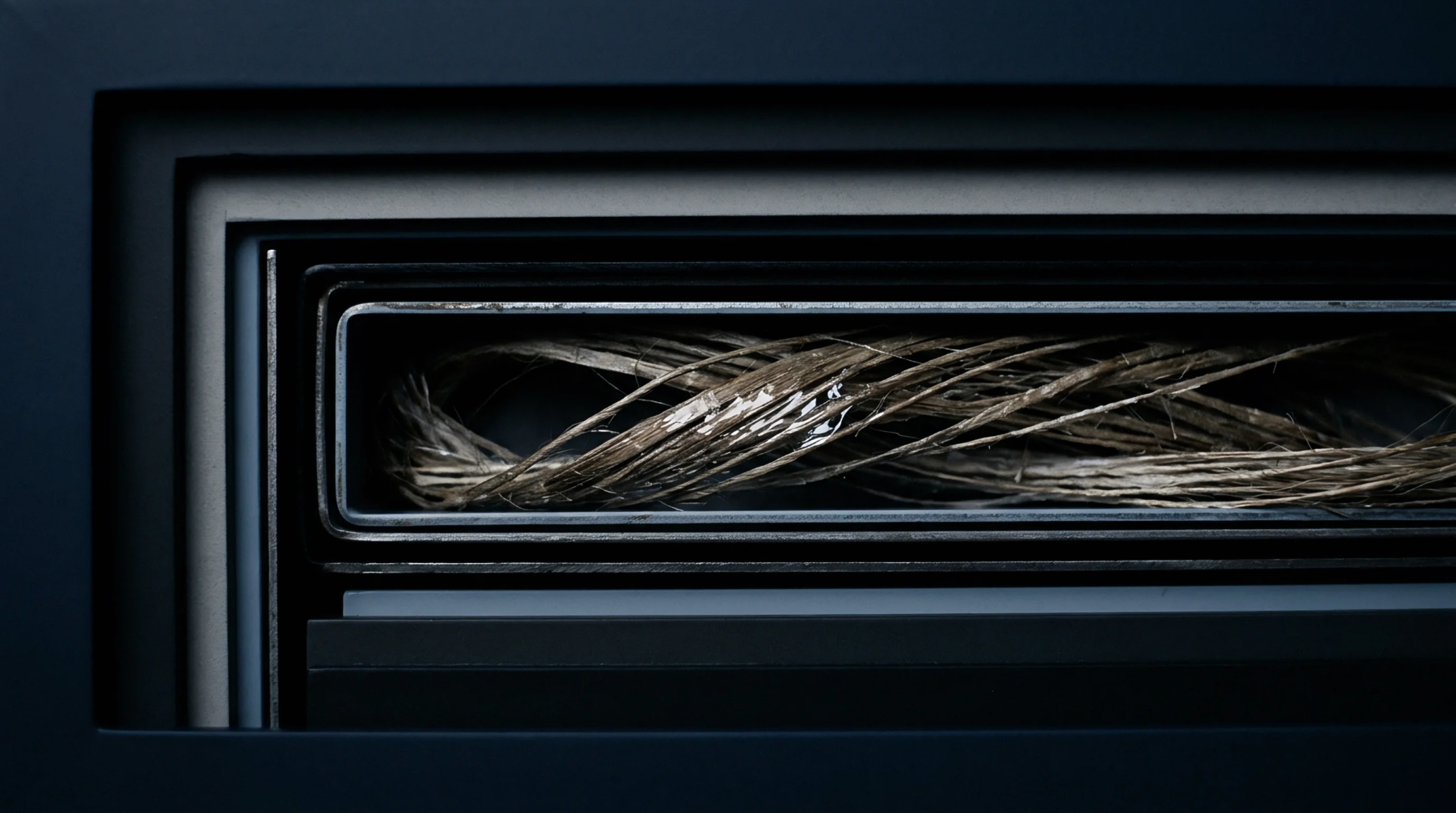
Compressive load applied along the contact line between paired drafting or calendering cylinders governs material grip and liquid extraction. Electronic or hydraulic sensors measure roller nip pressure in kilonewtons per linear meter or bars of applied gauge force across textile machinery assemblies. In wet-spinning drafting zones, adequate nip force prevents fiber slippage and ensures that only fibers gripped by the front roller are accelerated into the yarn strand.
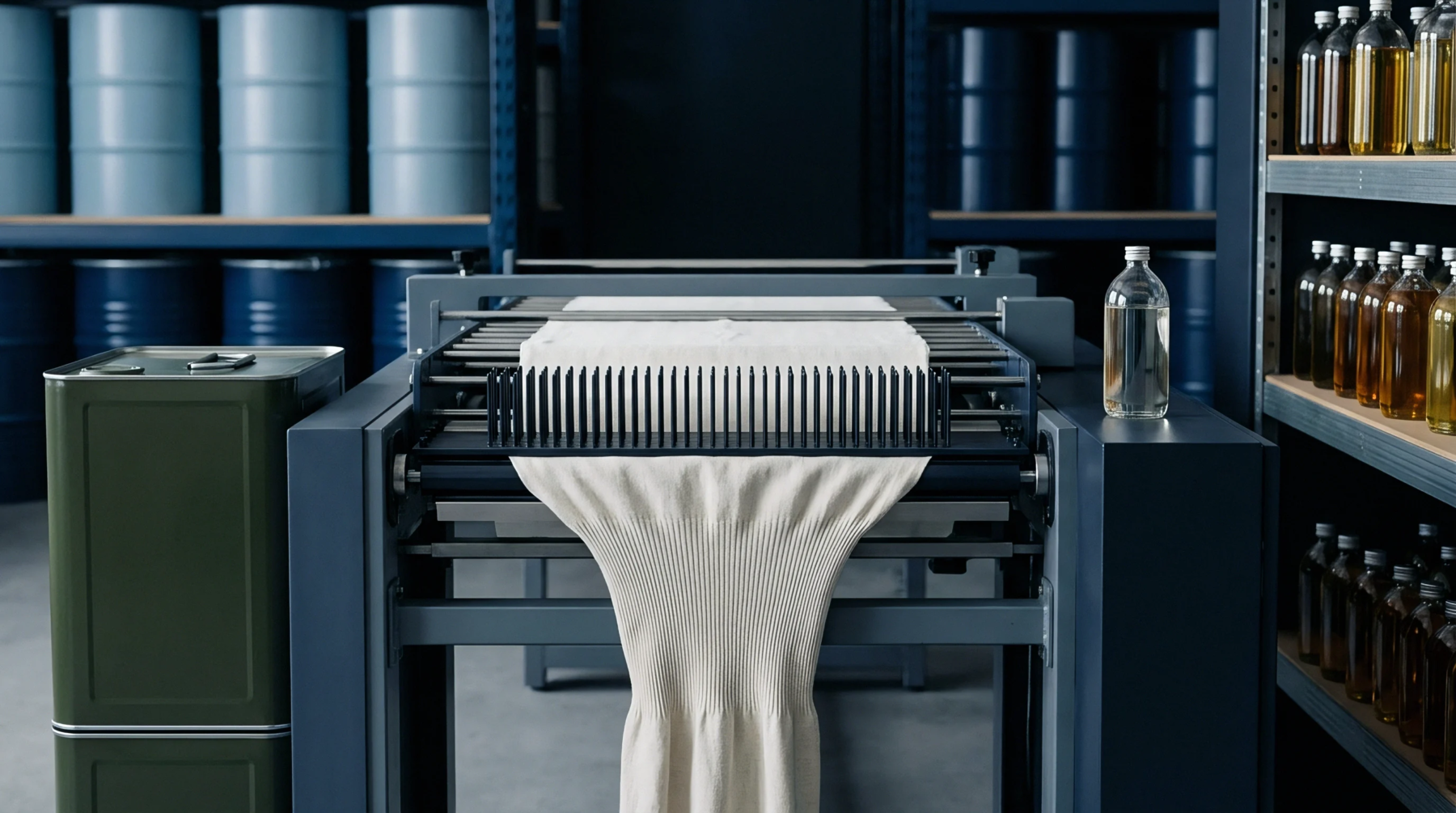
Calendering and wet finishing mangles utilize high nip loads to achieve uniform liquid expression, fabric dewatering and mechanical luster generation on woven linen pieces.
Pressure Distribution
Precise mechanical adjustment across the roller width prevents uneven drafting attenuation, web distortion or localized moisture retention. During long-staple spinning, excessive roller nip pressure crushes delicate bast filaments and accelerates rubber cot wear, whereas insufficient load causes drafting waves and slub formation. Finishing mangles employ crowned, deflection-compensated or pneumatic rollers to maintain uniform roller nip pressure from selvage to selvage.
Mill maintenance schedules mandate regular carbon paper impressions or digital pressure sensor mapping to verify uniform contact footprint dimensions across active roller sets. Variations in rubber hardness, measured in degrees Shore A, directly alter the contact area and resulting pressure profile along the nip zone.
Quality Verification
Spinning performance logs record nip pressure calibrations alongside yarn evenness CV percentages to verify drafting consistency. In finishing facilities, inspection reports document how variations in roller nip pressure affect fabric drying efficiency, resin pick-up rates and final fabric density. Non-uniform pressure profiles across finishing mangles produce center-to-edge shade variation and uneven shrinkage during subsequent tentering operations.
Acceptance criteria for export linen piece goods require documented verification of uniform finishing expression across full roll widths. Systematic maintenance of roller surfaces and hydraulic loading cylinders guarantees stable mechanical processing and high structural uniformity throughout yarn and fabric manufacturing.