Velocity Dispersion
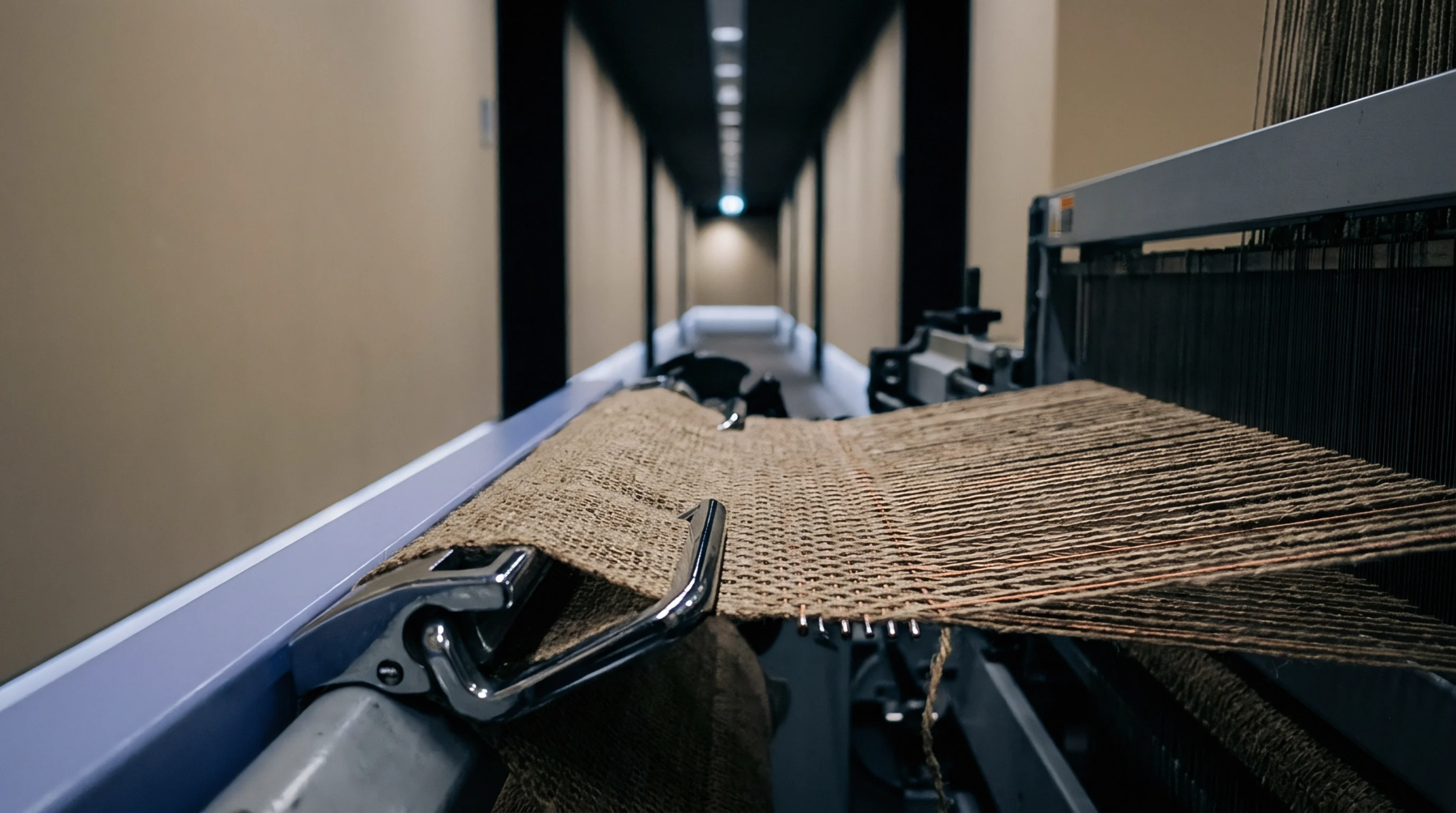
Specialized pneumatic propulsion devices distribute compressed air through multiple micro-orifices to guide weft yarn through the shed channel. Modern air-jet looms processing spun flax utilize multi-hole relay nozzles to create a wide, stable air stream that carries hairy and uneven linen yarns without snagging. Technical loom specification sheets record nozzle hole configurations, orifice diameters and firing pitch settings for every loom frame.
Mill setup logs record these nozzle parameters alongside air pressure values.
Envelope Cushion
Single-hole nozzles produce concentrated high-velocity air jets that tend to penetrate coarse flax yarn bundles and cause filament dispersion or yarn split defects. Distributing air flow across three to nineteen smaller holes generates a broader air envelope that cradles the yarn bundle as it traverses the reed profile. This continuous air cushion reduces compressed air consumption by maintaining kinetic energy over longer distances, allowing lower supply pressure at the main regulator.
Lower air consumption directly reduces electrical power demands in compressor plants operating large loom sheds.
Orifice Maintenance
Maintenance schedules mandate regular ultrasonic cleaning of auxiliary air devices to remove accumulated dust and spin finish residues. Clogged nozzle holes alter air flow angles, causing weft insertion stops and fabric faults such as wavy filling or short picks. Quality control inspectors log nozzle replacements on loom maintenance cards to ensure consistent insertion performance across production lines.